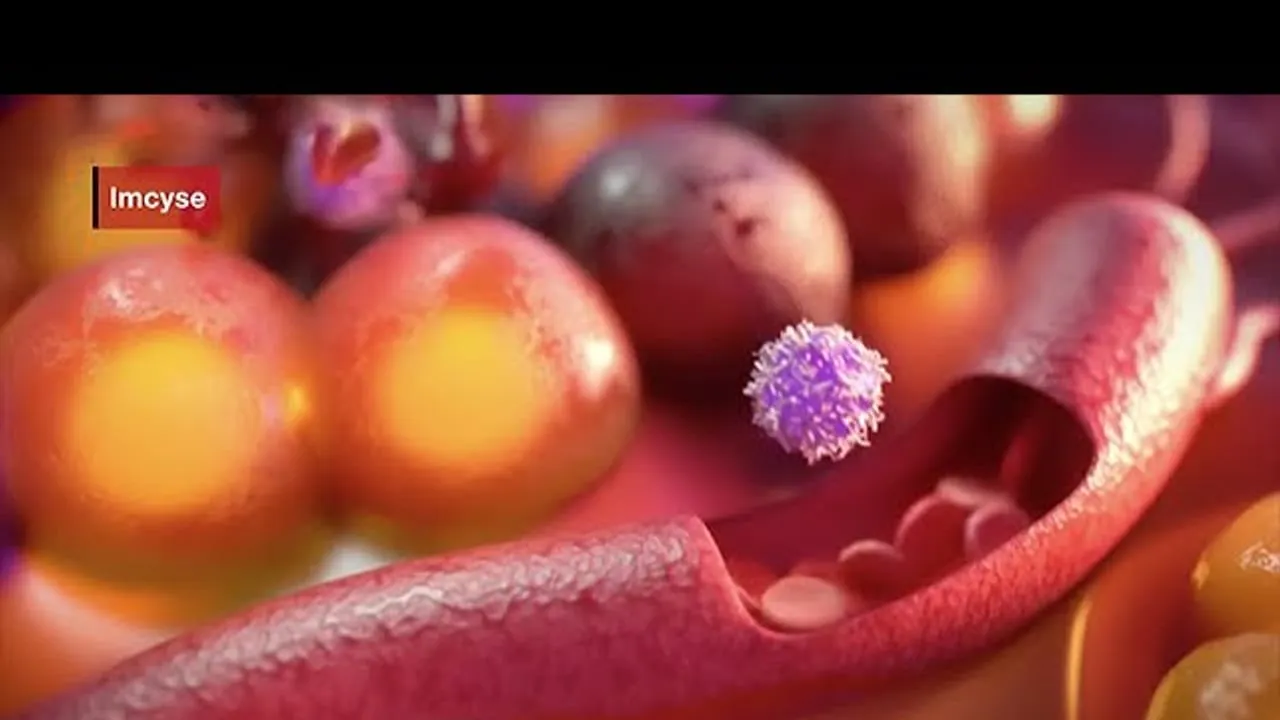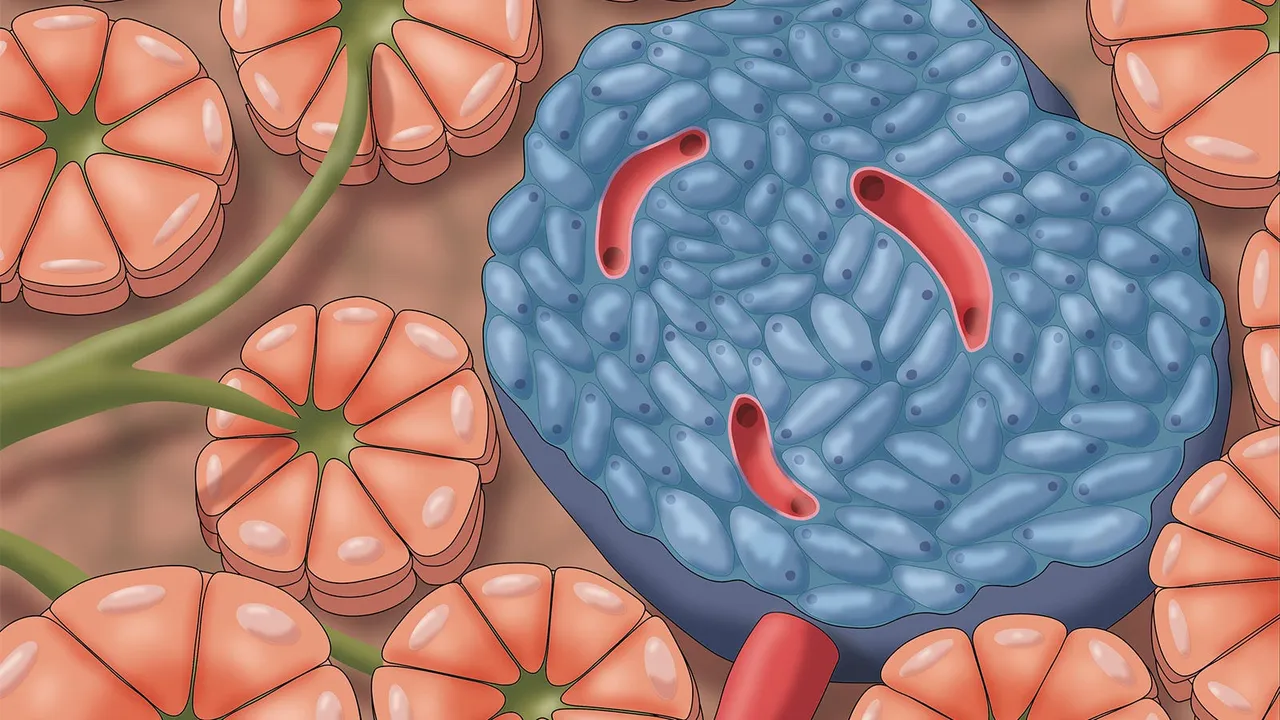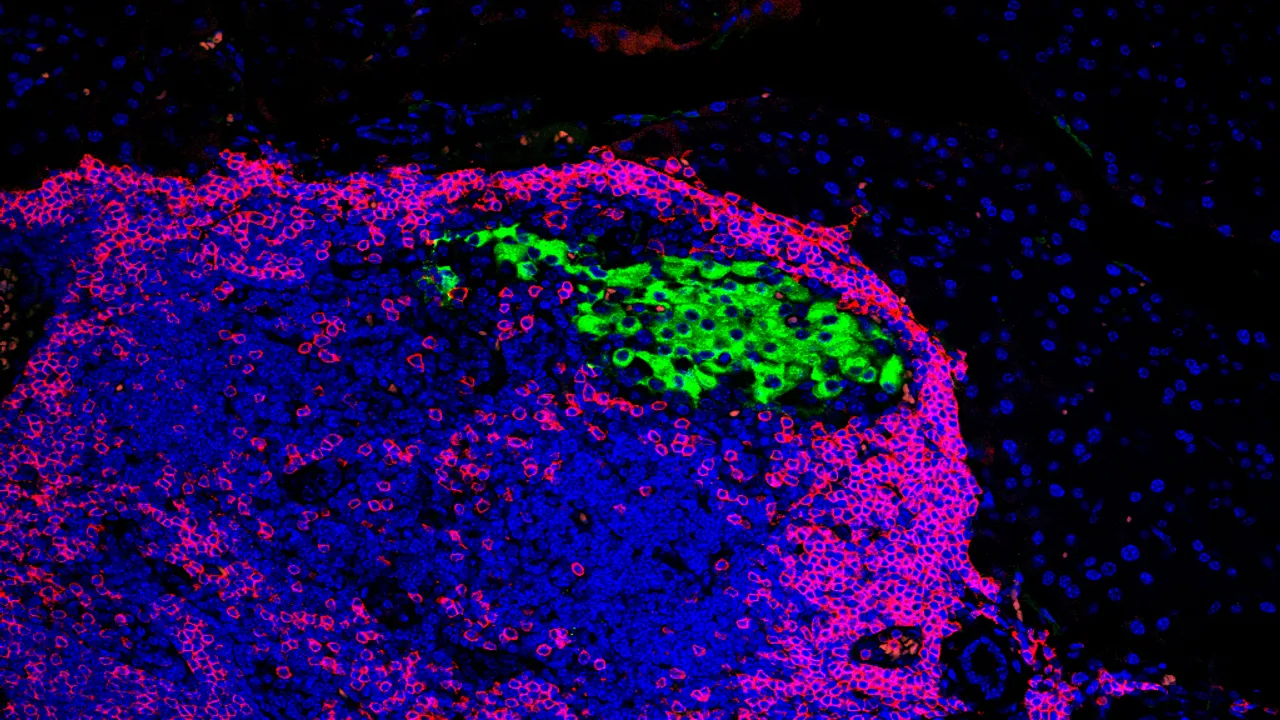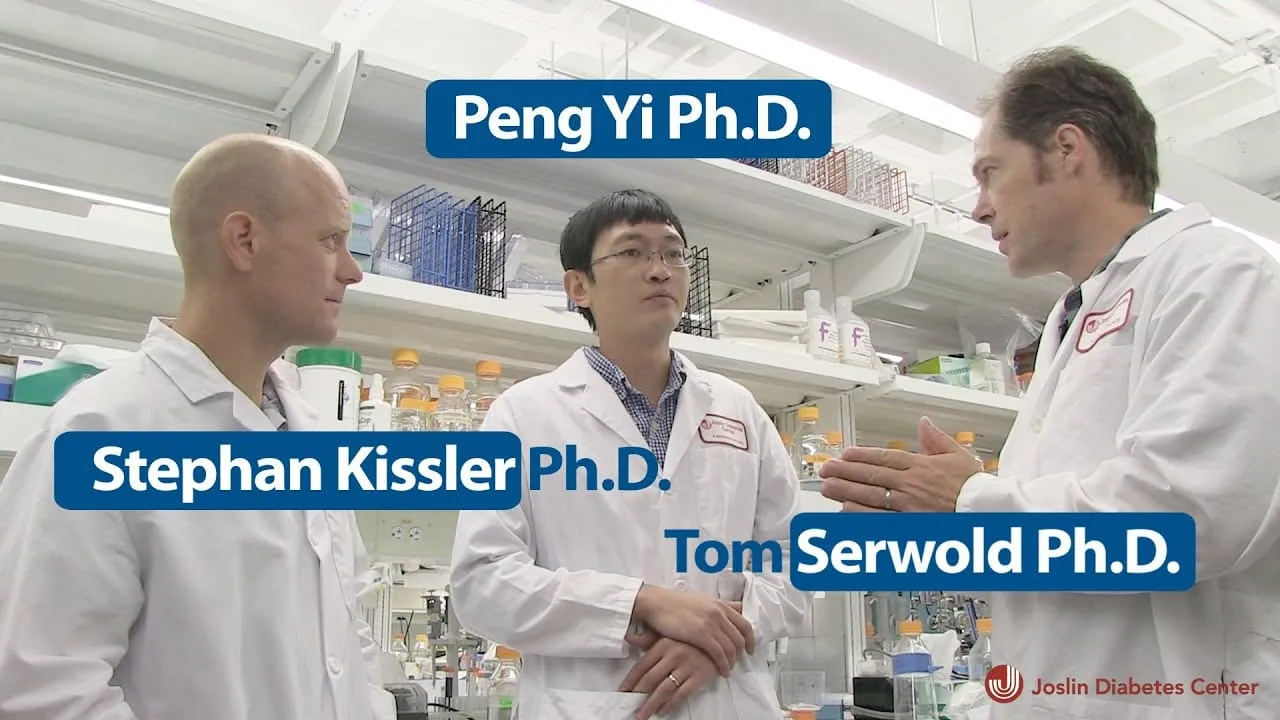
Macrophages May Help Protect and Regenerate Beta Cells
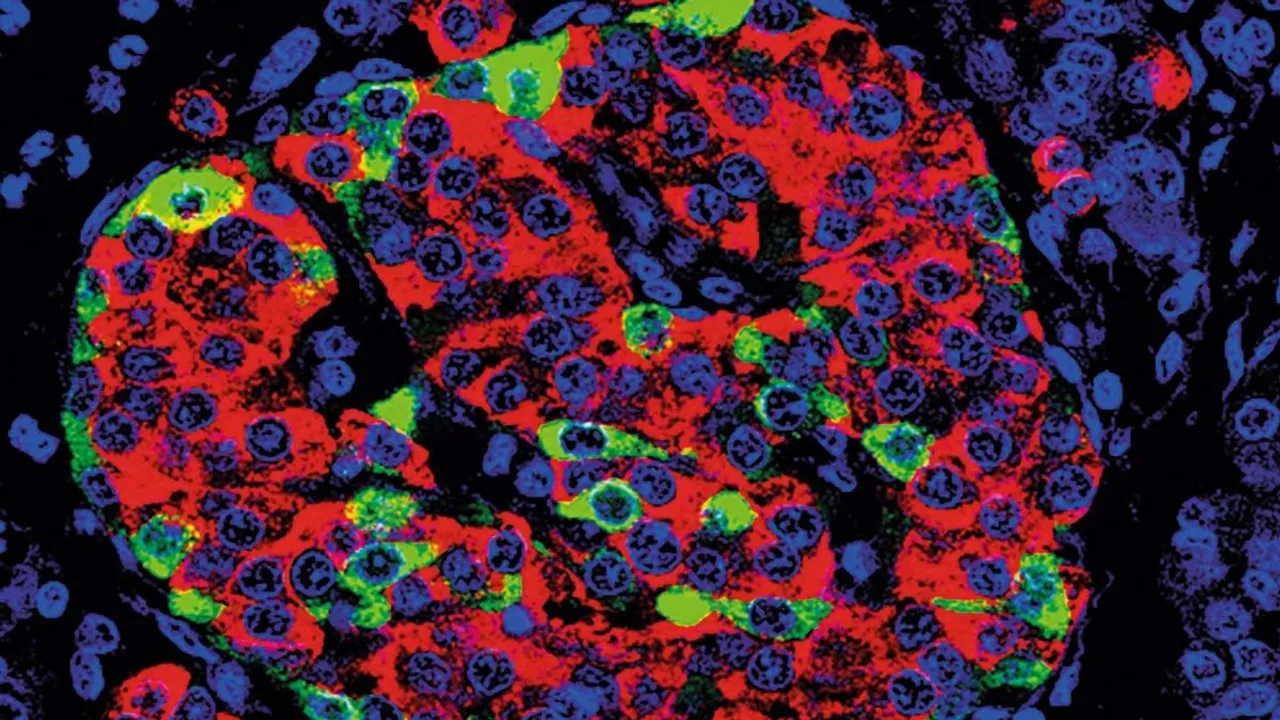
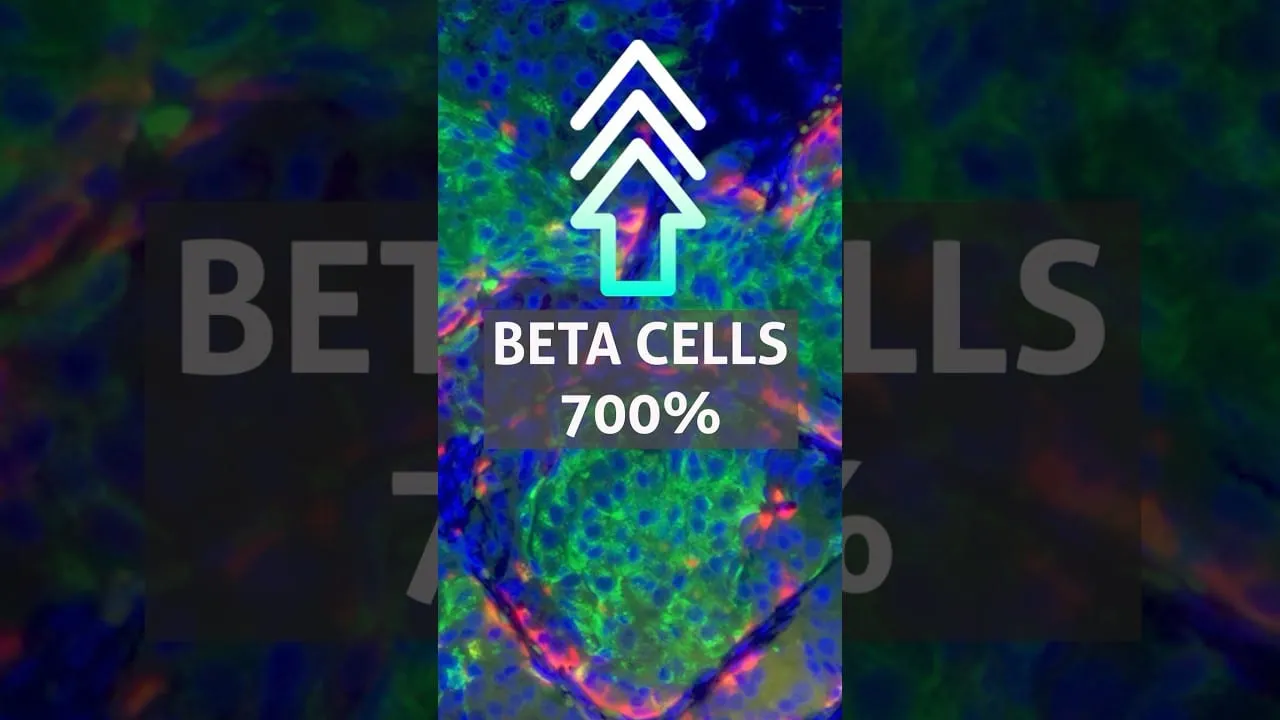
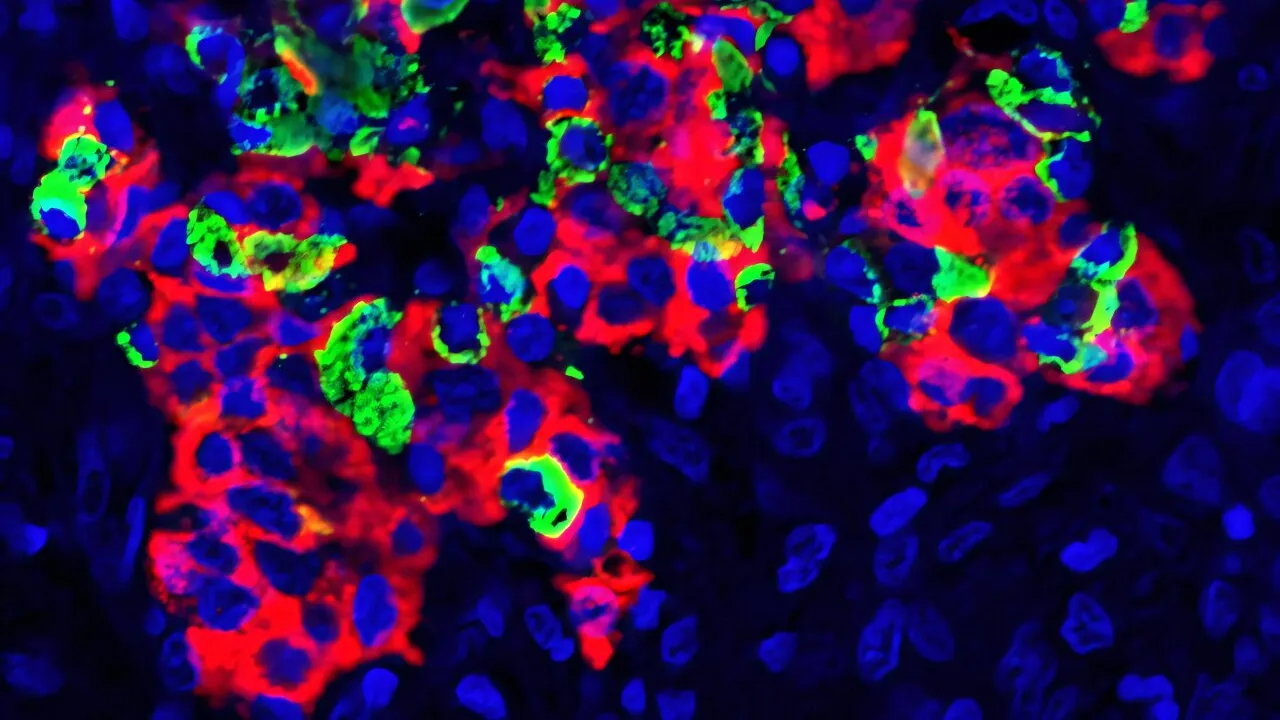
Researchers discover that certain types of macrophages can enhance beta cell survival, function, and proliferation in both mice and humans.
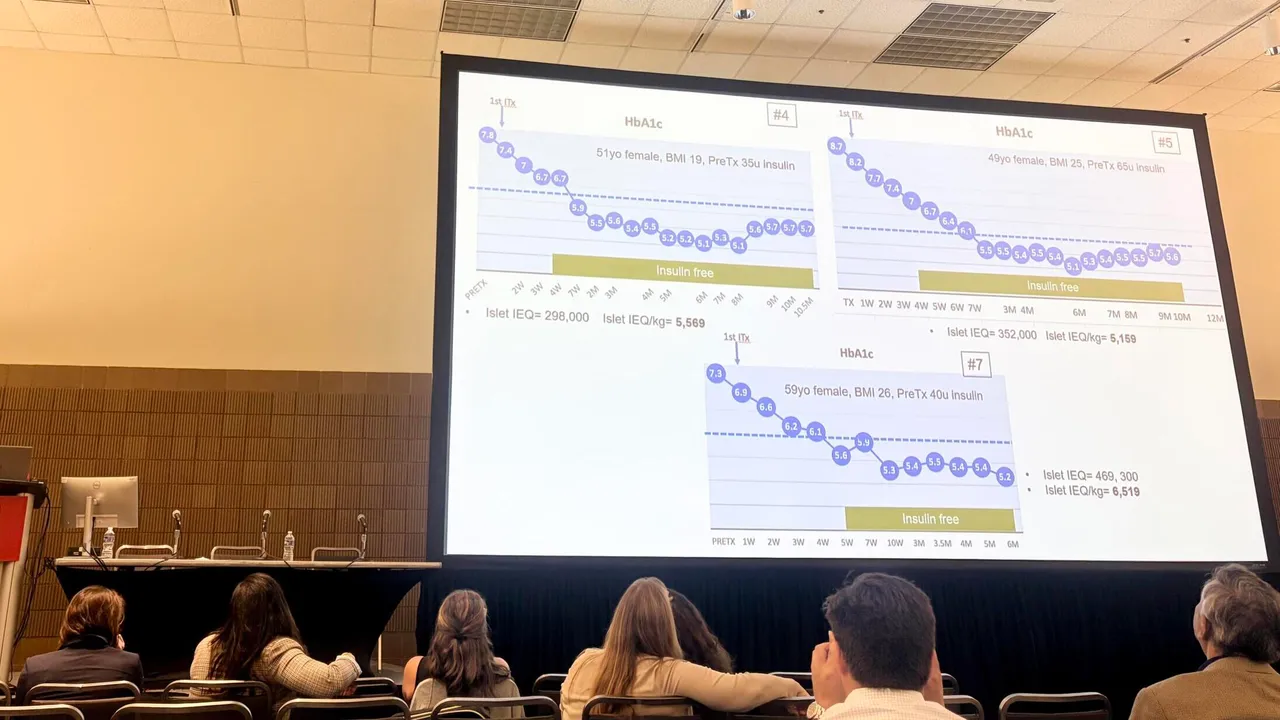
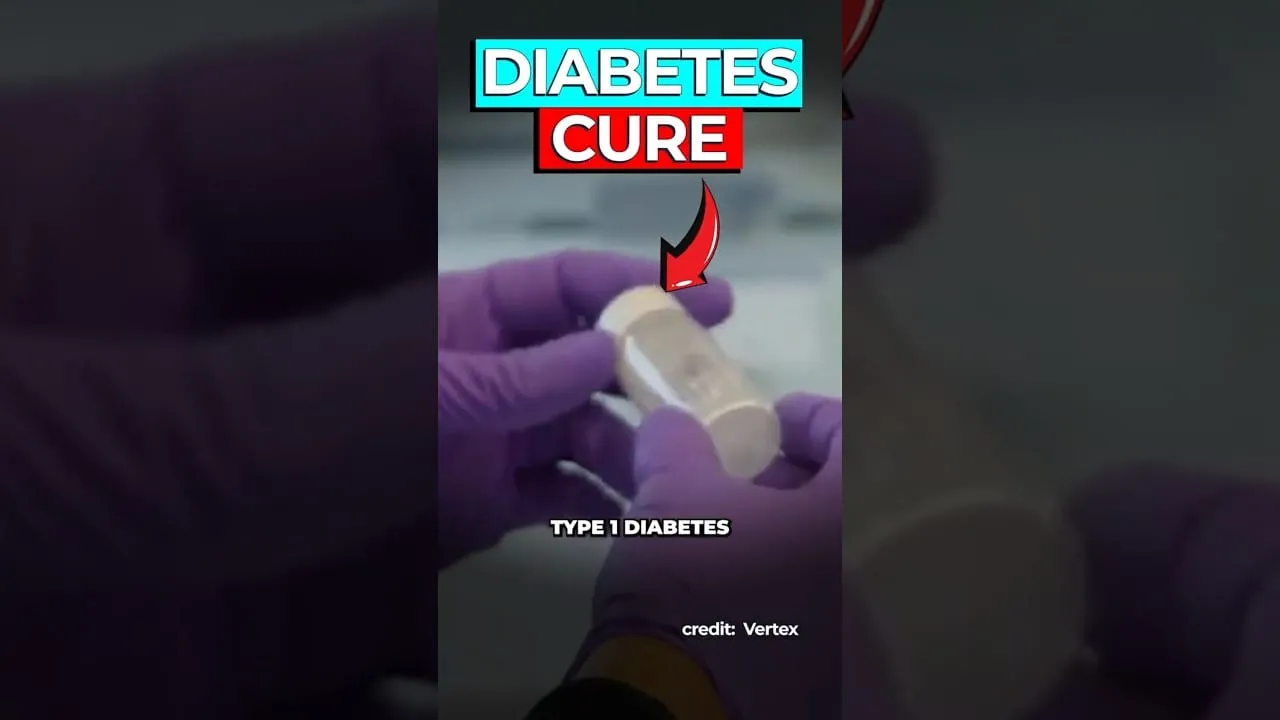
Where the science of curing Type 1 diabetes actually stands: islet and stem-cell therapies, beta-cell regeneration, immunotherapies, and disease-modifying trials, in plain language.

Researchers discover that certain types of macrophages can enhance beta cell survival, function, and proliferation in both mice and humans.

Researchers discover that adding a specific type of macrophage during stem cell differentiation accelerates the maturation process of beta cells, leading to improved insulin production and blood sugar control.

New research sheds light on how immune cells target and destroy pancreatic beta cells in people with type 1 diabetes.

A new review highlights recent advances in pharmacological and cell-intrinsic interventions that can modulate the instant blood-mediated inflammatory reaction (IBMIR) in islet transplantation, a major hurdle in restoring natural insulin control in Type 1 diabetes.

Researchers explore the potential of stem cell-derived islets in treating type 1 diabetes, with promising results in animal models.

Researchers explore the potential of pancreatic tissue engineering to restore insulin production in people with Type 1 diabetes, but challenges remain.

Scientists have developed a way to create pancreatic islet organoid-like structures from bone marrow stem cells, which could aid in diabetes research and potentially help address the shortage of donor islets for transplantation.

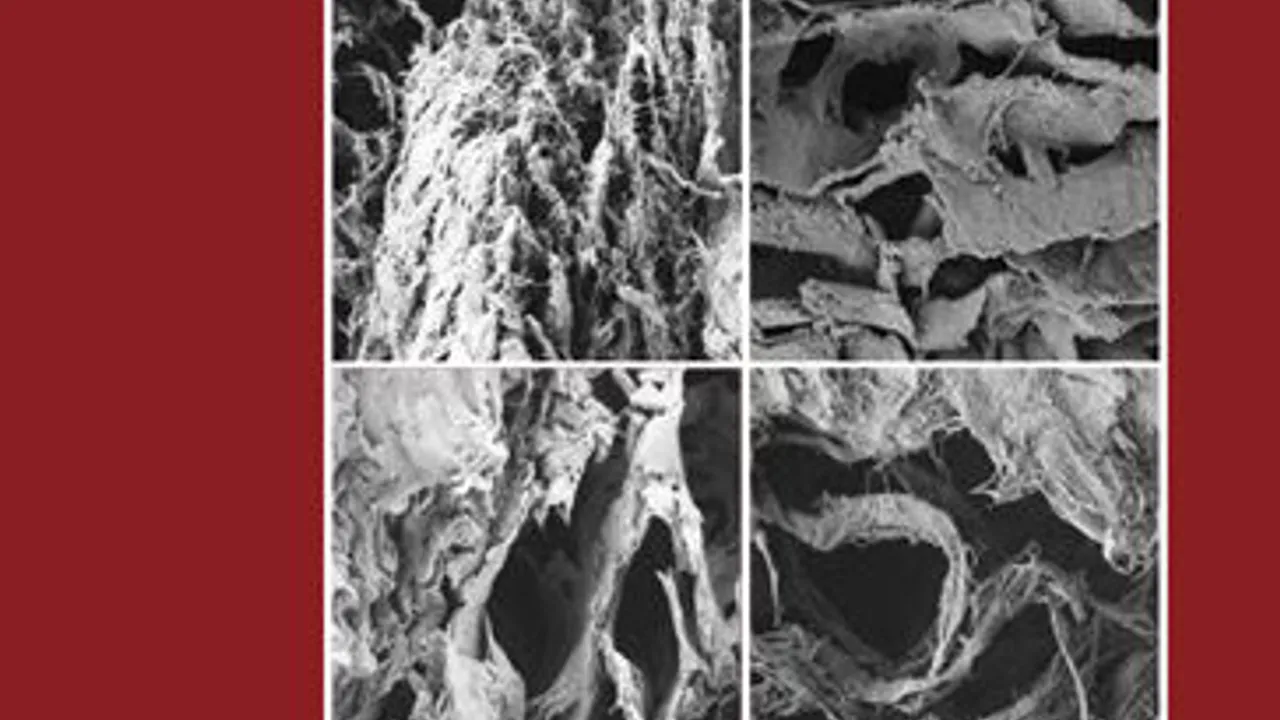
Researchers develop nanofibrous scaffolds that enhance vascularization and support long-term islet graft survival in mice, a promising step towards improving islet transplantation for type 1 diabetes.

Scientists have made a significant discovery about the role of NAMPT activity in driving autoimmune processes that lead to beta-cell death and type 1 diabetes development.

A recent study reveals that young adults with type 1 diabetes experience significant treatment burden and moderate quality of life, highlighting the need for improved diabetes care.

Researchers explore the potential of adenosine to improve islet transplantation outcomes by reducing metabolic demand and enhancing hypoxia tolerance.

Researchers have discovered that extracellular vesicles from mesenchymal stromal cells can improve the survival and function of transplanted islets, offering a promising new approach to treating type 1 diabetes.

A recent study has made significant progress in identifying potential biomarkers for developing type 1 diabetes, using extracellular vesicle proteomics analysis.

Researchers explore emerging topics to improve understanding and management of CFRD, a distinct form of diabetes affecting people with cystic fibrosis.

A synthetic immunological niche (IN) can detect immune responses and predict transplant outcomes in type 1 diabetes patients.

New research in mice shows that combining a therapy targeting beta cells with an anti-inflammatory treatment can significantly delay the onset of autoimmune diabetes.

A new study reveals that stem cell-derived islets and primary human islets respond differently to low oxygen levels, which could impact the success of cell replacement therapies for Type 1 diabetes.

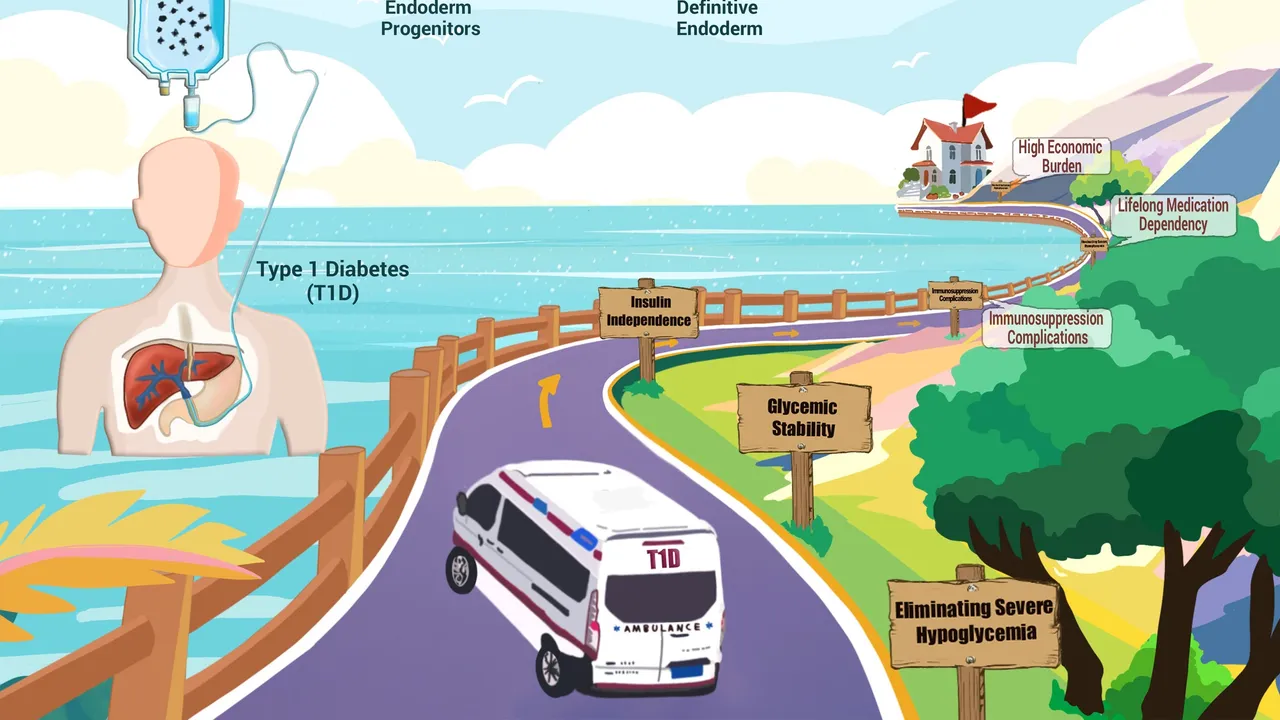
Researchers are making progress in using stem cells to treat type 1 diabetes, but significant challenges remain before this approach can be widely adopted.

New research suggests that pancreatic ductal cells may contribute to the autoimmune destruction of beta cells in Type 1 diabetes, but more studies are needed to understand their role.

A recent clinical trial has shown that xenotransplanting porcine islet cells into patients with Type 1 diabetes is safe and effective, offering new hope for those living with the condition.
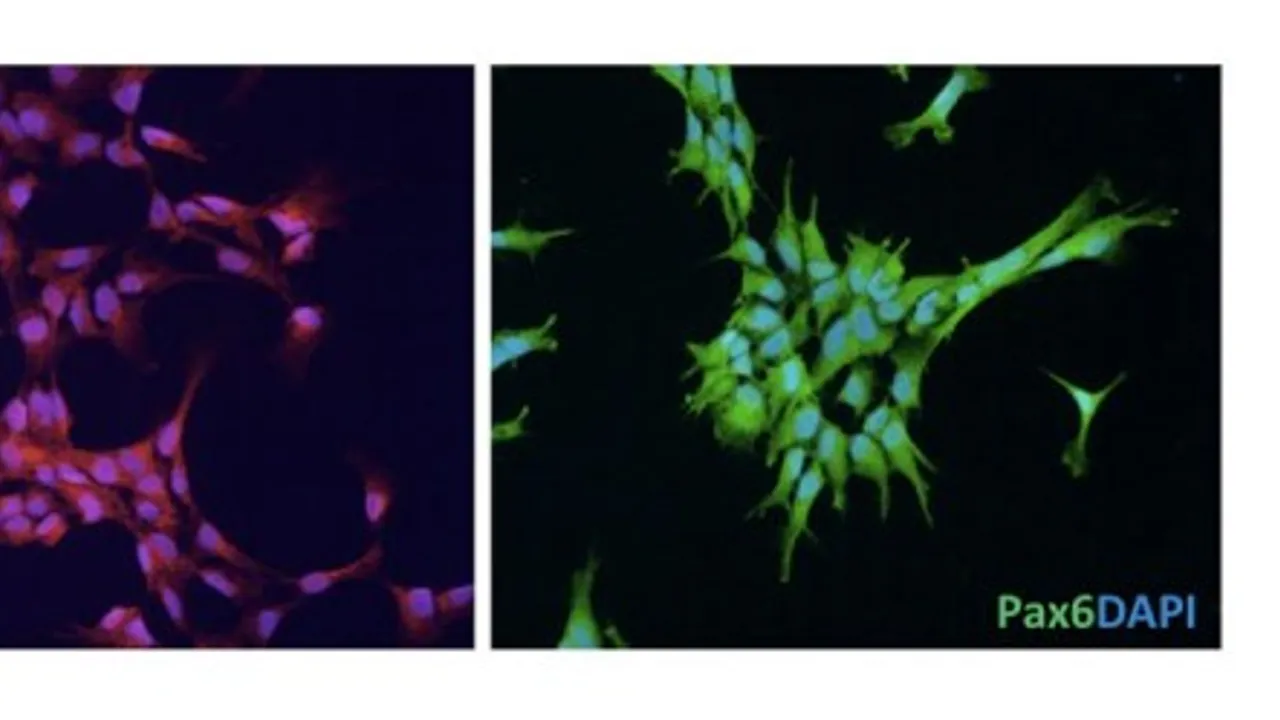

Researchers are exploring the potential of extracellular vesicles to improve our understanding and treatment of type 1 diabetes.

Researchers develop implantable vascularized endocrine constructs that could provide a new approach to insulin delivery in type 1 diabetes.
Scientists explore how mitochondria contribute to the development of insulin-producing cells from stem cells, a potential alternative solution for type 1 diabetes.

Recent breakthroughs in immunotherapy and gene editing aim to delay or reverse disease progression, but challenges persist.

Recent research suggests that pancreatic beta cell defects may play a more significant role in type 1 diabetes development than previously thought, challenging our understanding of the disease.

Researchers have made a breakthrough in understanding how to protect pancreatic islet grafts from autoimmune destruction, potentially paving the way for new treatments for Type 1 diabetes.

Researchers develop an injectable hydrogel that co-delivers oxygen and a growth factor to improve islet transplantation outcomes in diabetic mice.

Researchers have developed a novel nanocoating that may improve the survival of transplanted islets and restore blood sugar control in people with type 1 diabetes.

Researchers propose a comprehensive quality control strategy to differentiate induced pluripotent stem cells into pancreatic beta cells for potential use in treating Type 1 diabetes.

Researchers develop a way to accurately detect transplanted islets in the subcutaneous space using dithizone staining, a potential game-changer for type 1 diabetes treatment.

Researchers investigate the potential of berberine from Berberis vulgaris to regenerate pancreatic beta-cells and improve metabolic function in type 1 diabetic rats.