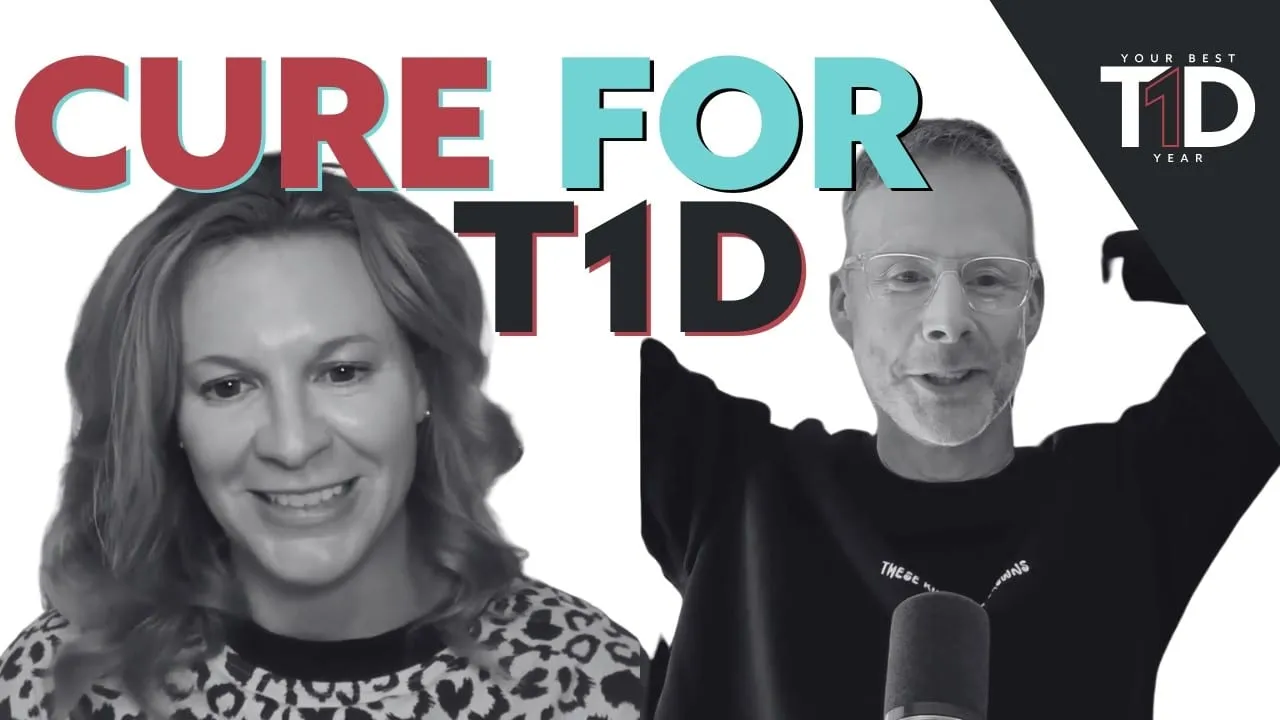
Inside a Clinical Trial: One Person's Experience With Islet Transplant and Teplizumab
A participant in a University of Chicago study combined transplanted islet cells with the drug teplizumab and achieved insulin independence. Her experience offers a real-world look at what's involved in this experimental approach.
Evidence label explains the kind of source behind this article (for example peer-reviewed literature vs community video). It is not medical advice.
Key takeaways
- Islet transplants combined with teplizumab have helped at least one person achieve insulin independence in a clinical trial setting.
- This is an experimental procedure requiring surgery and enrollment in a research study—not a widely available treatment.
- Living without insulin represents a significant change, but participants remain part of ongoing clinical monitoring.
- Clinical trials involve real tradeoffs and commitments that go beyond the medical procedure itself.
A Different Kind of Conversation
For decades, people with Type 1 diabetes have heard the same refrain: a cure is coming in five years. It's become almost a joke in the community. But recently, one person decided to document something rare—a conversation with someone who no longer takes insulin for Type 1 diabetes.
Katie Beth is a participant in a clinical trial at the University of Chicago where she received a transplant of islet cells (the insulin-producing cells of the pancreas) combined with treatment using a drug called teplizumab. According to her account, her blood sugar patterns now resemble those of a fully functioning pancreas.
What the Trial Involved
Katie Beth underwent surgery to receive transplanted islet cells as part of a clinical research study. Alongside the transplant, she received teplizumab, a drug being studied for its potential to support transplant success.
Her reported blood sugar levels suggest the transplanted cells are working, and she has not experienced the serious complications often associated with organ transplants. However, this remains a clinical trial—meaning the long-term outcomes are still being studied and monitored.
The Realities of Participation
While Katie Beth's experience represents a meaningful development, important context matters. Clinical trial participation involves specific commitments, medical requirements, and ongoing monitoring that extend far beyond the procedure itself. Each person considering such a trial must weigh both the potential benefits and the real demands of participation.
Her journey from managing Type 1 diabetes to being off insulin marks a significant shift, but it takes place within the controlled setting of research. Stories like hers help the community understand what experimental approaches can look like in practice, rather than in abstract terms.
Why This Matters for the Community
For people who have heard 'cure in five years' repeatedly over decades, Katie Beth's story offers something concrete to discuss: an actual person, actual numbers, and honest conversation about tradeoffs. It doesn't change the fact that this approach is not yet widely available, but it provides real information about what is possible in a research setting.
Her willingness to share details about surgery, expectations, and daily life helps the community move beyond hype and toward informed understanding of where transplant and immunotherapy research stands today.
Evidence label
Source: YouTube community video. Evidence type: Community video — lay discussion, not peer-reviewed research. Type1Cure is an information and intelligence hub, not a medical advice service. This article summarizes published research and does not provide diagnosis, treatment, or personal medical guidance. Always talk to your own care team before changing anything about your Type 1 diabetes management.
Type1Cure is an information and intelligence hub, not a medical advice service. This article summarizes published research and does not provide diagnosis, treatment, or personal medical guidance. Always talk to your own care team before changing anything about your Type 1 diabetes management.
Related reading
More evidence-labeled coverage across the Type1Cure library.
- Cure ResearchStem Cell Research Offers New Hope—But Questions RemainCommunity video — lay discussion, not peer-reviewed research
- Cure ResearchWhat Science Now Knows About Beta Cell Regeneration in Type 1 DiabetesCommunity video — lay discussion, not peer-reviewed research
- Cure ResearchWhat We Know About Beta Cell Regeneration Research in DiabetesCommunity video — lay discussion, not peer-reviewed research
- Cure ResearchCan Beta Cells Recover? What Research Shows About Pancreatic Function and Type 2 DiabetesCommunity video — lay discussion, not peer-reviewed research
- Cure ResearchWhat Is the Islet Cell Act? A Guide to Proposed Changes in Transplant RegulationCommunity video — lay discussion, not peer-reviewed research
- Cure ResearchUnderstanding Beta Cell Function in Type 2 Diabetes: What Research ShowsCommunity video — lay discussion, not peer-reviewed research