What We Know About Beta Cell Regeneration Research in Diabetes
Scientists are studying how the body might regenerate insulin-producing cells. Here's what current research is exploring—and why it matters.
Evidence label explains the kind of source behind this article (for example peer-reviewed literature vs community video). It is not medical advice.
Key takeaways
- Researchers have identified that a protein called PTHrP may play a role in beta cell growth and survival
- Beta cell regeneration research is still in early stages and remains an active area of investigation
- This work is being pursued by funded researchers at major academic institutions
The Search for Beta Cell Regeneration
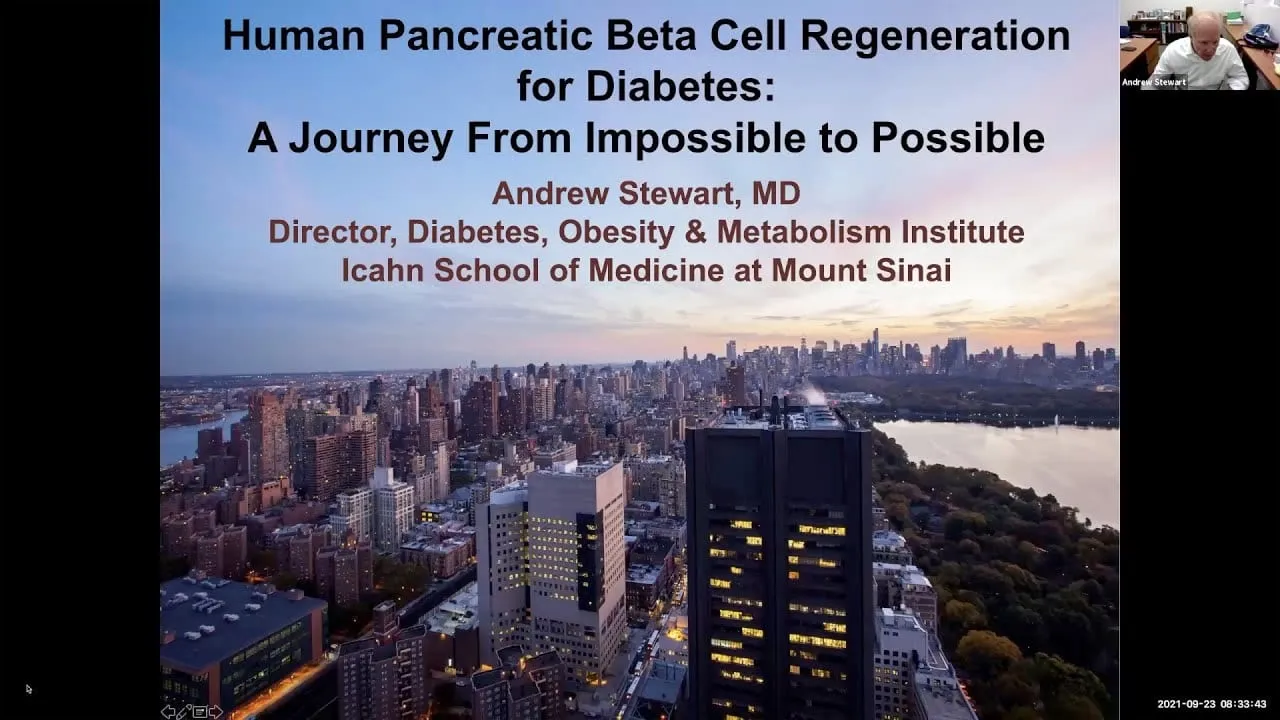
One of the central challenges in Type 1 diabetes is that the body's insulin-producing beta cells are gradually destroyed by the immune system. Scientists have long wondered whether it might be possible to help the pancreas regenerate these lost cells. Researchers at institutions like Mount Sinai are now investigating this question through funded research programs.
A Protein Called PTHrP
In exploring how cells grow and survive, researchers have identified a protein called PTHrP that appears to support beta cell replication, survival, and expansion. This observation emerged from work originally focused on parathyroid disease, but led scientists to consider its potential role in diabetes and beta cell health. The findings are being actively researched, though much more work is needed to understand what this could mean for patients.
Early-Stage Research
Research into beta cell regeneration is still in its early phases. While scientists have identified promising directions to investigate, this work has not yet translated into treatments or clinical applications. Multiple research groups continue to pursue this area with institutional and federal funding support, suggesting the scientific community views it as a worthwhile direction—even as outcomes remain uncertain.
Evidence label
Source: YouTube community video. Evidence type: Community video — lay discussion, not peer-reviewed research. Type1Cure is an information and intelligence hub, not a medical advice service. This article summarizes published research and does not provide diagnosis, treatment, or personal medical guidance. Always talk to your own care team before changing anything about your Type 1 diabetes management.
Type1Cure is an information and intelligence hub, not a medical advice service. This article summarizes published research and does not provide diagnosis, treatment, or personal medical guidance. Always talk to your own care team before changing anything about your Type 1 diabetes management.
Related reading
More evidence-labeled coverage across the Type1Cure library.
- Cure ResearchWhat Are Disease-Modifying Therapies for Type 1 Diabetes?Video report, corroborated with 5 indexed studies
- Cure ResearchBeyond Insulin: Why Researchers Are Exploring New Approaches to Type 1 DiabetesVideo report, corroborated with 5 indexed studies
- Cure ResearchUnderstanding Disease-Modifying Therapies: What JDRF is Working TowardVideo report, corroborated with 5 indexed studies
- Cure ResearchStem Cell Research Offers New Hope—But Questions RemainCommunity video — lay discussion, not peer-reviewed research
- Cure ResearchWhat Science Now Knows About Beta Cell Regeneration in Type 1 DiabetesCommunity video — lay discussion, not peer-reviewed research
- Cure ResearchHow Immunotherapy Could Change Type 1 Diabetes TreatmentVideo report, corroborated with 5 indexed studies