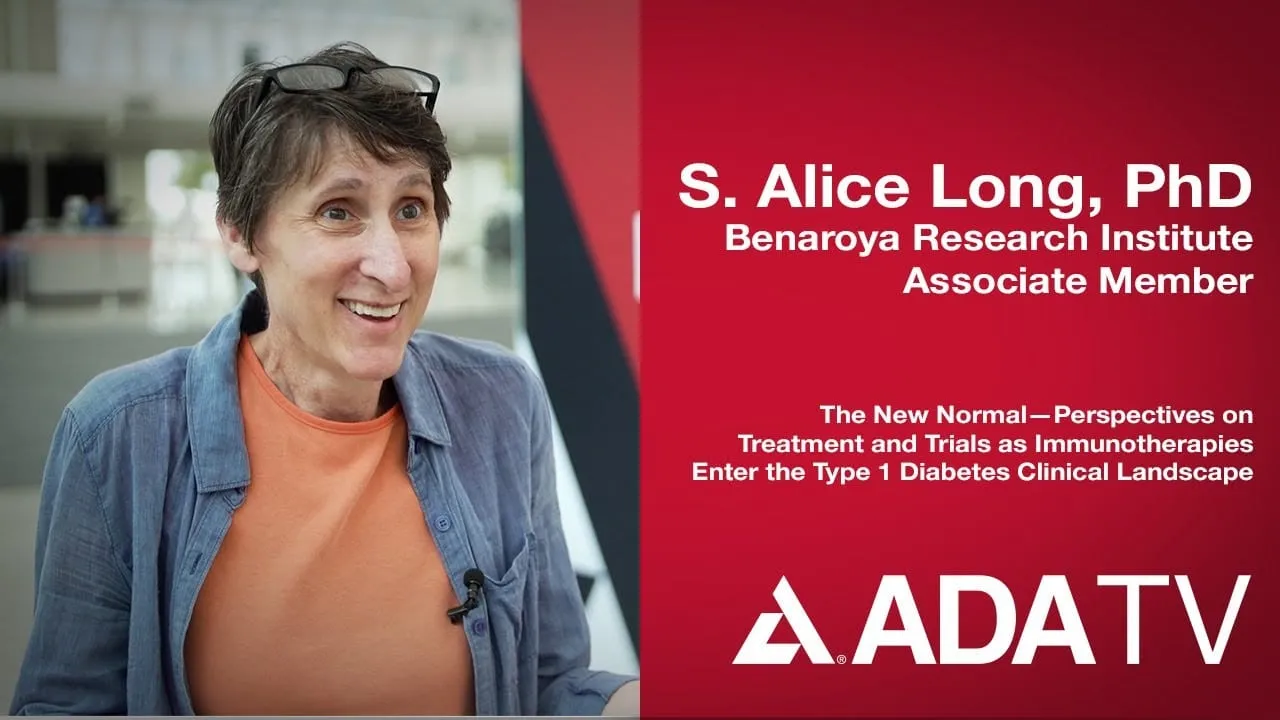
Understanding Immunotherapy Trials in Type 1 Diabetes
A medication has been approved to delay Type 1 diabetes onset. Here's what that means and how researchers are building on this progress.
Evidence label explains the kind of source behind this article (for example peer-reviewed literature vs community video). It is not medical advice.
Key takeaways
- Teplizumab is the first drug approved to delay Type 1 diabetes onset in people at high risk before symptoms appear
- Clinical trials are testing immunotherapies in people at risk of Type 1 diabetes and in those recently diagnosed
- Researchers are exploring combination approaches that pair immunotherapies with treatments designed to support the insulin-producing cells
- These developments represent a shift from insulin management alone to approaches that may change disease progression
A First for Type 1 Diabetes
For decades, insulin and insulin delivery systems were the main tools for managing Type 1 diabetes. That changed when teplizumab, an immunotherapy medication, became the first drug approved to delay Type 1 diabetes onset.
In clinical trials, teplizumab delayed the development of symptoms in people at high risk. This approval opens new possibilities for people who have early warning signs but have not yet developed Type 1 diabetes.
Multiple Trials Testing Different Approaches
Researchers are now testing immunotherapies at different stages. Prevention trials enroll people at high risk before symptoms appear. Recent-onset trials enroll people recently diagnosed with Type 1 diabetes. Organizations like TrialNet and the Immune Tolerance Network (ITN) are leading these efforts.
Trials typically begin in adults to establish safety before expanding to children. Several trials are currently enrolling or planning to launch soon.
Learning from Other Conditions
Type 1 diabetes researchers are adapting approaches that have shown promise in other autoimmune diseases and conditions like cancer. These methods are being tested to see if they work for Type 1 diabetes.
Scientists are also exploring combination strategies. These pair immunotherapies with treatments meant to protect and preserve beta cells—the insulin-producing cells in the pancreas. The idea is that combining different approaches may work better than any single therapy alone.
What Comes Next
The approval of teplizumab and new clinical trials represent a shift from managing symptoms to potentially slowing or changing how Type 1 diabetes develops. These treatments do not cure Type 1 diabetes, but delaying onset can meaningfully affect daily life, especially for children.
As trials progress and researchers test new combinations, Type 1 diabetes treatment is expected to continue evolving. This reflects a fundamental change in how the medical community approaches the condition.
Evidence label
Origin: YouTube community video (Video report). Evidence: Video report, corroborated with 5 indexed studies. Type1Cure is an information and intelligence hub, not a medical advice service. This article summarizes published research and does not provide diagnosis, treatment, or personal medical guidance. Always talk to your own care team before changing anything about your Type 1 diabetes management.
Type1Cure is an information and intelligence hub, not a medical advice service. This article summarizes published research and does not provide diagnosis, treatment, or personal medical guidance. Always talk to your own care team before changing anything about your Type 1 diabetes management.
Related reading
More evidence-labeled coverage across the Type1Cure library.
- Cure ResearchWhat Are Disease-Modifying Therapies for Type 1 Diabetes?Video report, corroborated with 5 indexed studies
- Cure ResearchBeyond Insulin: Why Researchers Are Exploring New Approaches to Type 1 DiabetesVideo report, corroborated with 5 indexed studies
- Cure ResearchUnderstanding Disease-Modifying Therapies: What JDRF is Working TowardVideo report, corroborated with 5 indexed studies
- Cure ResearchStem Cell Research Offers New Hope—But Questions RemainCommunity video — lay discussion, not peer-reviewed research
- Cure ResearchWhat Science Now Knows About Beta Cell Regeneration in Type 1 DiabetesCommunity video — lay discussion, not peer-reviewed research
- Cure ResearchWhat We Know About Beta Cell Regeneration Research in DiabetesCommunity video — lay discussion, not peer-reviewed research