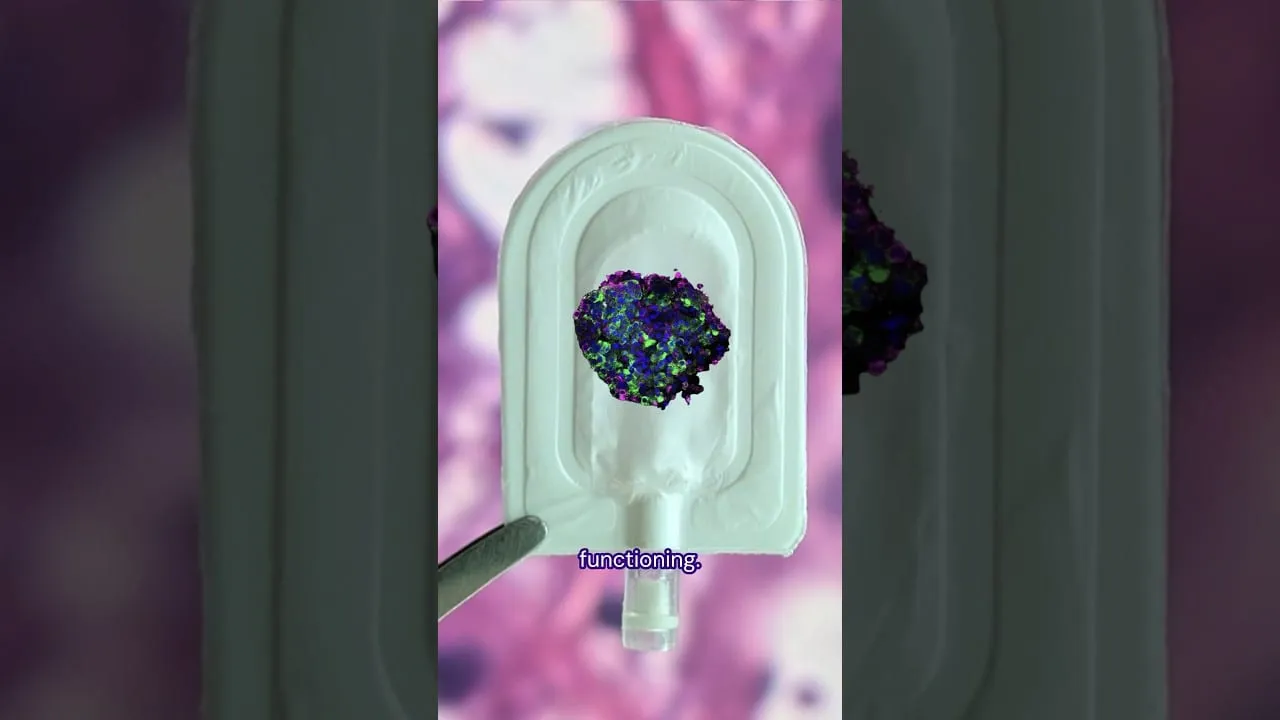
An Implant Designed to Protect Insulin-Producing Cells Shows Early Promise
A new encapsulated cell replacement therapy being tested in Canada uses a protective pouch to keep donor insulin-producing cells alive and functional. Early safety results suggest the approach may be viable.
Key takeaways
- Ensulin is developing a soft implant pouch made of biocompatible nanoporous material that holds insulin-producing cells and shields them from the immune system
- In a Phase 1 safety study, implants were removed from five participants after four months and showed living, functioning cells with minimal fibrosis and strong blood vessel growth
- The device is designed to allow oxygen, nutrients, and glucose to reach the cells while protecting them from immune attack
- Clinical trials are currently underway in Toronto and Montreal; this is early-stage research and much more testing is needed
How the Implant Works
Ensulin's technology places insulin-producing cells inside a tiny soft pouch made from biocompatible nanoporous materials. The pouch is implanted under the skin using a minimally invasive procedure.
The nanoporous design of the pouch allows glucose, oxygen, nutrients, and other essential molecules to pass through to the cells inside. At the same time, the material acts as a barrier that shields the donor cells from the patient's immune system—a major challenge in cell replacement therapies for Type 1 diabetes.
What Early Safety Results Show
In Ensulin's Phase 1 safety study, implants were surgically removed from five participants after four months of implantation. Examination of the removed devices revealed that the insulin-producing cells inside remained alive and functional.
Researchers also observed minimal fibrosis (scarring) around the implants and strong blood vessel growth into the area. These findings suggest that the pouch successfully protected the cells and maintained the biological environment needed to keep them healthy and supplied with oxygen and nutrients.
What Comes Next
This Phase 1 study focused on safety, not on whether the implant can reduce the need for insulin injections or improve blood sugar control. Clinical trials are currently underway in Toronto and Montreal. Much more research and testing will be needed before this therapy could become available to patients outside of clinical studies.
As with all emerging cell replacement technologies for Type 1 diabetes, it is important to distinguish between promising early results and proven clinical benefit. This work represents one of several approaches being explored to replace or protect insulin-producing cells.
Evidence label
Source: YouTube community video. Evidence type: Community video — lay discussion, not peer-reviewed research. Type1Cure is an information and intelligence hub, not a medical advice service. This article summarizes published research and does not provide diagnosis, treatment, or personal medical guidance. Always talk to your own care team before changing anything about your Type 1 diabetes management.
Type1Cure is an information and intelligence hub, not a medical advice service. This article summarizes published research and does not provide diagnosis, treatment, or personal medical guidance. Always talk to your own care team before changing anything about your Type 1 diabetes management.
Related reading
More evidence-labeled coverage across the Type1Cure library.
- Cure ResearchHow Breakthrough T1D Is Pursuing Multiple Paths to Better Type 1 Diabetes Treatment
- Cure ResearchUnderstanding Type 1 Diabetes Research: What's Real and What's on the Horizon
- Cure ResearchLong-term safety data supports continued research into type 1 diabetes prevention drugs
- Cure ResearchUnderstanding Immunotherapy Trials in Type 1 Diabetes
- Cure ResearchProgress on Cell Transplants for Type 1 Diabetes: What You Should Know
- Cure ResearchEngineering Stem Cells to Reduce Rejection in Type 1 Diabetes Cell Therapy