How Type 1 diabetes is found and staged today: autoantibody screening, early-stage detection, presentation, and what new diagnostic research means for families.
Type 1 diabetes develops in stages before symptoms appear. New screening tests can now detect the condition early, when treatment options may be available.
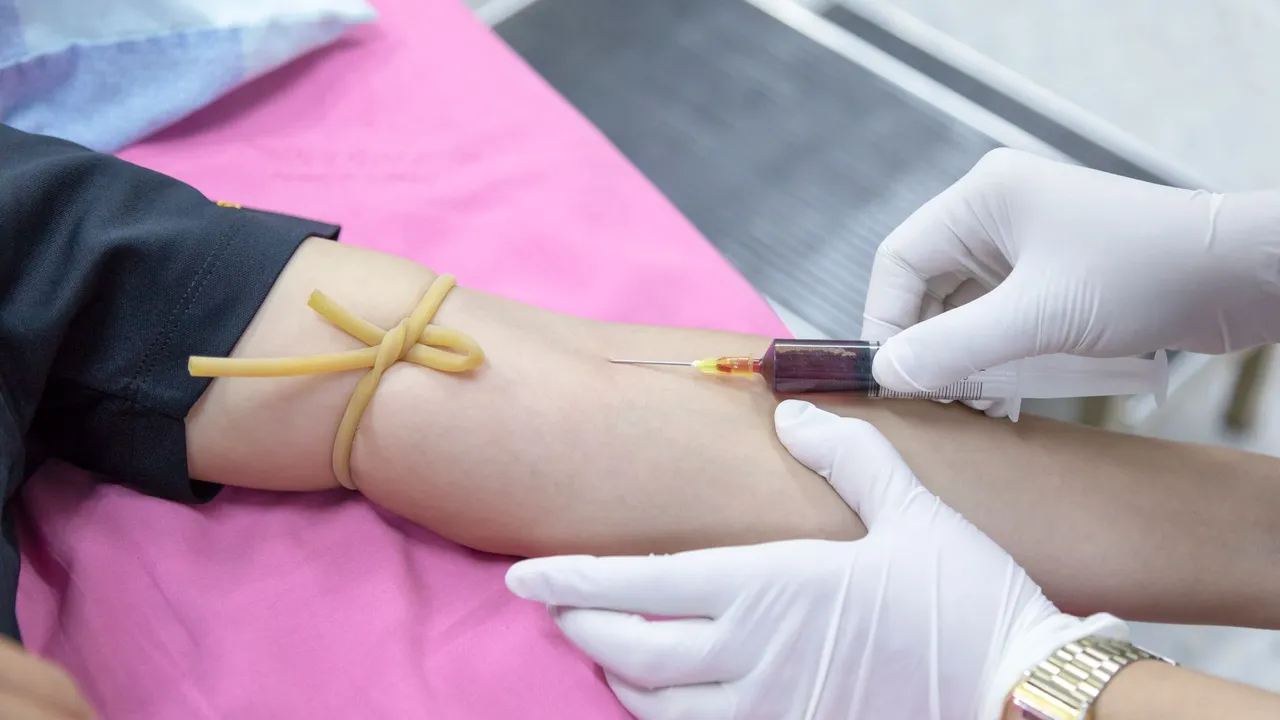
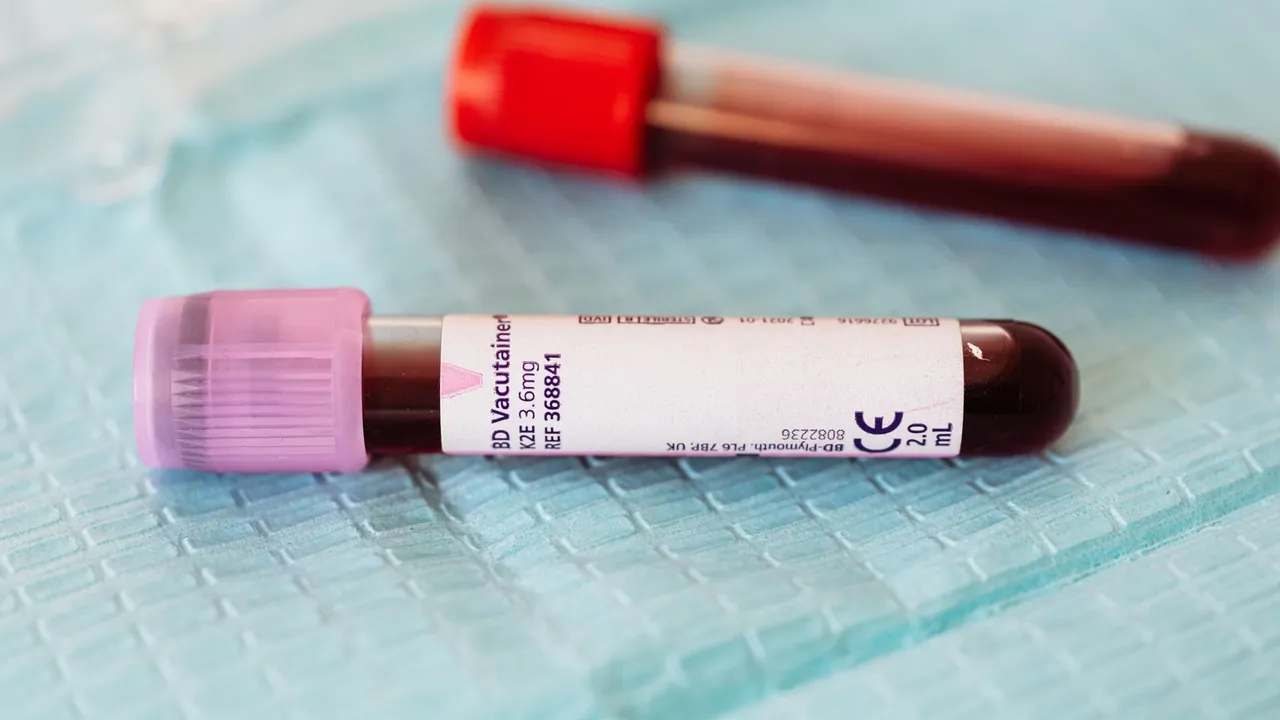
If Type 1 diabetes runs in your family, screening for early warning signs through a simple blood test could make a real difference. Here's what families need to know about detection and monitoring.
A new study shows that genetic risk scores could help doctors spot Type 1 diabetes in adults who are often misdiagnosed with Type 2 diabetes. The findings suggest screening tools could improve early detection and treatment.
Researchers found that a neutrophil-to-lymphocyte ratio—a measurement doctors can pull from routine bloodwork—correlates with how serious diabetic ketoacidosis is when someone arrives at the hospital. This could help guide faster, more targeted treatment decisions.
New screening programs can identify type 1 diabetes in its earliest stages, before symptoms appear. Here's what you need to know about the stages of disease development and what monitoring looks like.
Researchers tested whether autoantibody screening for Type 1 diabetes could work smoothly during regular pediatric visits. Early results show the approach is feasible but faces real-world challenges.
A new study tracked seven children who had only one diabetes autoantibody and found they remained healthy over several months. Researchers say single-positive status may not always progress to Type 1 diabetes.
Research reveals that ketosis-prone type 2 diabetes may involve both pancreatic inflammation and autoimmune responses. A specific immune marker could help doctors better understand who develops this unusual form of diabetes.
Scientists are exploring several new approaches to help preserve insulin production in people newly diagnosed with type 1 diabetes. Here's what recent studies are investigating.
Type 1 diabetes develops quietly in the body long before symptoms appear. New research highlights how early detection can change the course of the disease.
A new pilot program tested whether screening for early signs of Type 1 diabetes could work in regular clinical settings. The results offer insights into what it takes to make early detection part of routine care.
A new study from Bulgaria found that children with Type 1 diabetes are twice as likely to carry Helicobacter pylori bacteria as their peers. Researchers say early detection could prevent serious complications later in life.
Researchers at UC San Diego developed a more accurate way to identify who might develop Type 1 diabetes by analyzing how multiple genes interact. The breakthrough could enable earlier detection and preventive approaches before the disease takes hold.
Alecia Wesner was diagnosed with Type 1 diabetes as a kindergartener in 1979. Decades later, she's helping shape the future of T1D research by serving on a clinical trial advisory council.
A new Italian screening program will test children ages 5-6 for early signs of Type 1 diabetes using blood samples and antibody tests. Early detection may help prevent serious complications and allow doctors to monitor at-risk children before symptoms appear.
Up to one in five adults with Type 1 diabetes are misdiagnosed with Type 2, leading to wrong treatment. New tools—from AI algorithms to simple urine tests—are helping doctors get the diagnosis right.
Norwegian researchers tracked nearly 750,000 children to investigate whether the rotavirus vaccine affects type 1 diabetes development. The findings provide reassurance about vaccine safety.
Immune checkpoint inhibitors, a type of cancer therapy, can rarely cause Type 1 diabetes as a side effect. A new review reveals how often this happens and why monitoring matters.
A new study in sub-Saharan Africa is investigating a type of diabetes that looks like Type 1 but lacks the autoimmune hallmarks. Scientists aim to understand what causes this distinct form and how it progresses over time.
A new study reveals that most adults who develop Type 1 diabetes show detectable autoantibodies years—sometimes decades—before their diagnosis. Understanding these early warning signs could open doors to earlier detection.
A new study from Nigeria reveals that children with Type 1 diabetes often experience changes in their mouth and teeth. Understanding these signs can help families catch problems early.
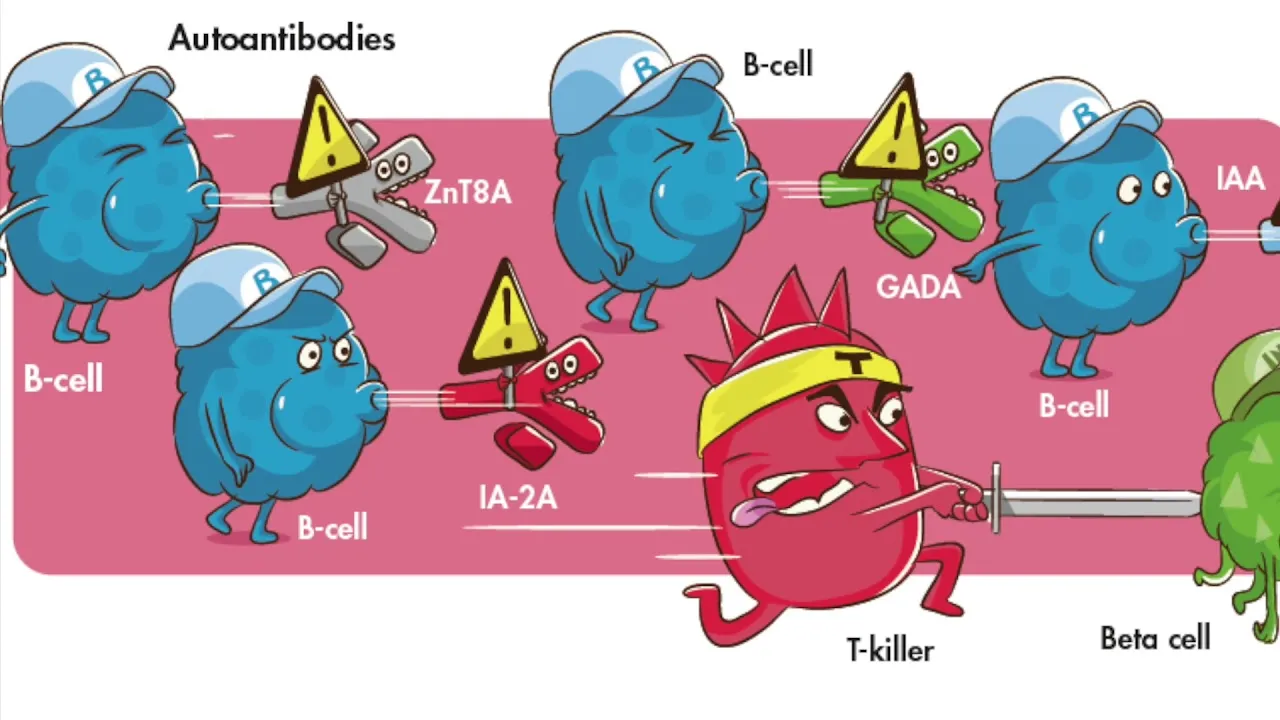
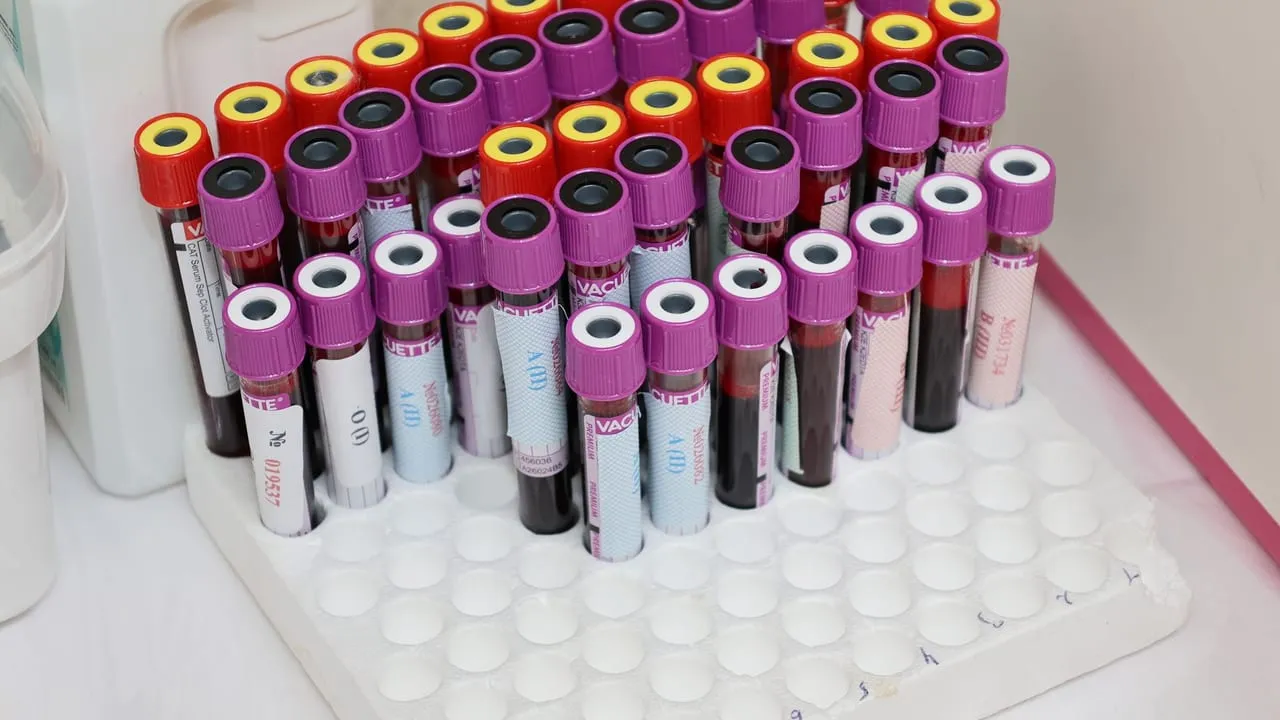
Type 1 diabetes develops when the immune system mistakenly attacks insulin-producing cells. Autoantibody blood tests can now identify people at risk years before diagnosis, opening doors to early monitoring and emerging treatments.
Recent studies show that medications and technology designed for other conditions may help people with Type 1 diabetes manage blood sugar and weight. Here's what the emerging evidence tells us.
New screening programs can identify Type 1 diabetes before symptoms appear, reducing dangerous complications at diagnosis. But finding the disease early is only the first step—what happens next matters most.
New guidance emphasizes the importance of identifying Type 1 diabetes early—even before symptoms appear—and provides practical steps for monitoring people at risk. Recent research also highlights that Type 1 diabetes isn't just a childhood condition; adults are increasingly diagnosed too.
Clinical trials are exploring treatments that might slow or prevent Type 1 diabetes progression in people with early warning signs. Here's what researchers have learned so far—and what's still being tested.
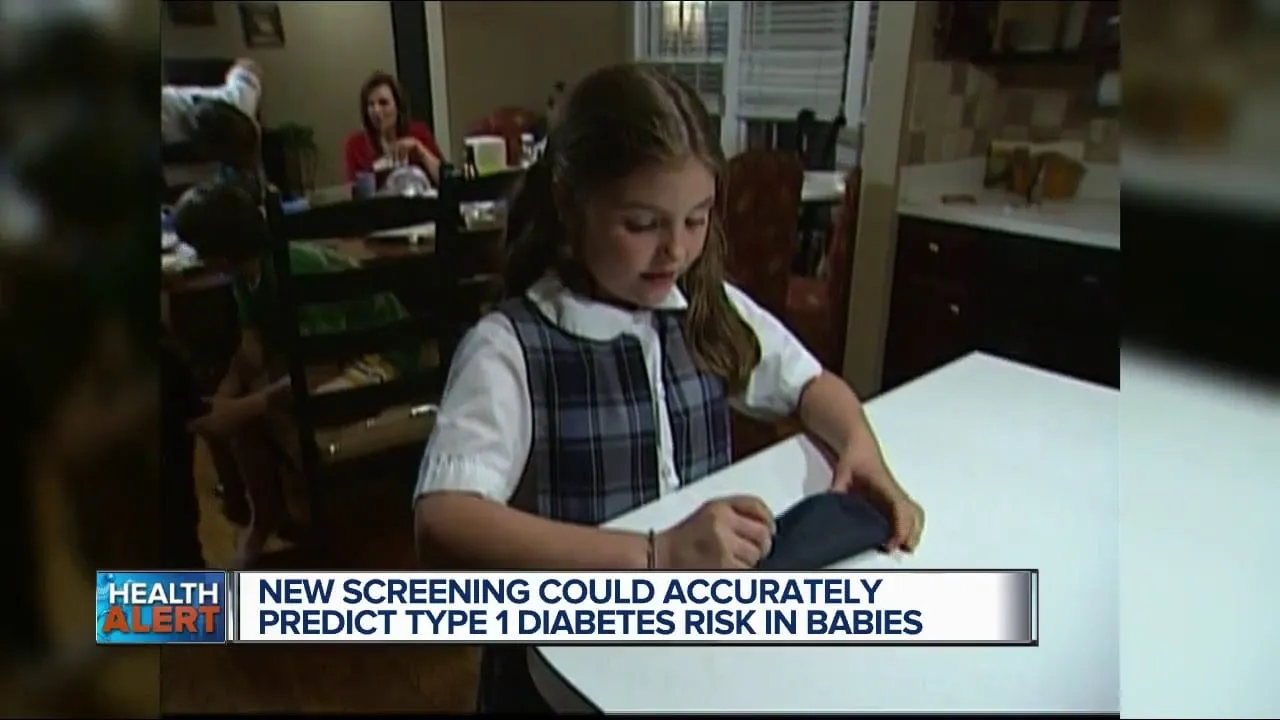
Researchers have developed more accurate ways to predict type 1 diabetes risk in infants by analyzing genetic information. These tools combine multiple genetic factors to identify which children may develop the condition later in life.
Recent research explores two approaches that could improve outcomes at diagnosis: population screening to catch type 1 earlier, and automated insulin delivery systems to support newly diagnosed young people and their families.
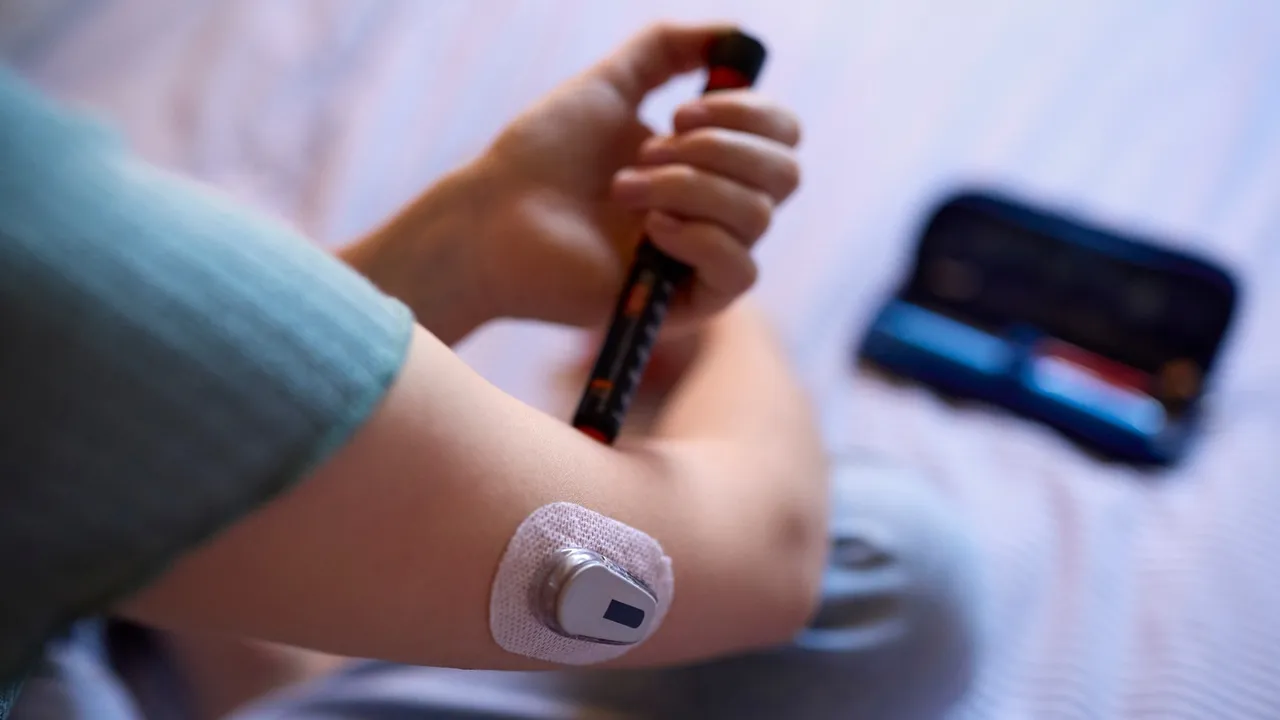
Hybrid closed loop insulin systems automatically adjust insulin delivery based on continuous glucose readings. Recent research shows these systems help keep blood sugar in target range better than traditional insulin therapy.
Recent research shows that combining insulin with certain additional medications may improve blood sugar control and reduce risks like weight gain and kidney damage in adolescents with type 1 diabetes.
Recent studies examine how two different approaches—one targeting the immune system early after diagnosis and another adding a diabetes medication to insulin therapy—may help slow disease progression and protect long-term health in people with type 1 diabetes.
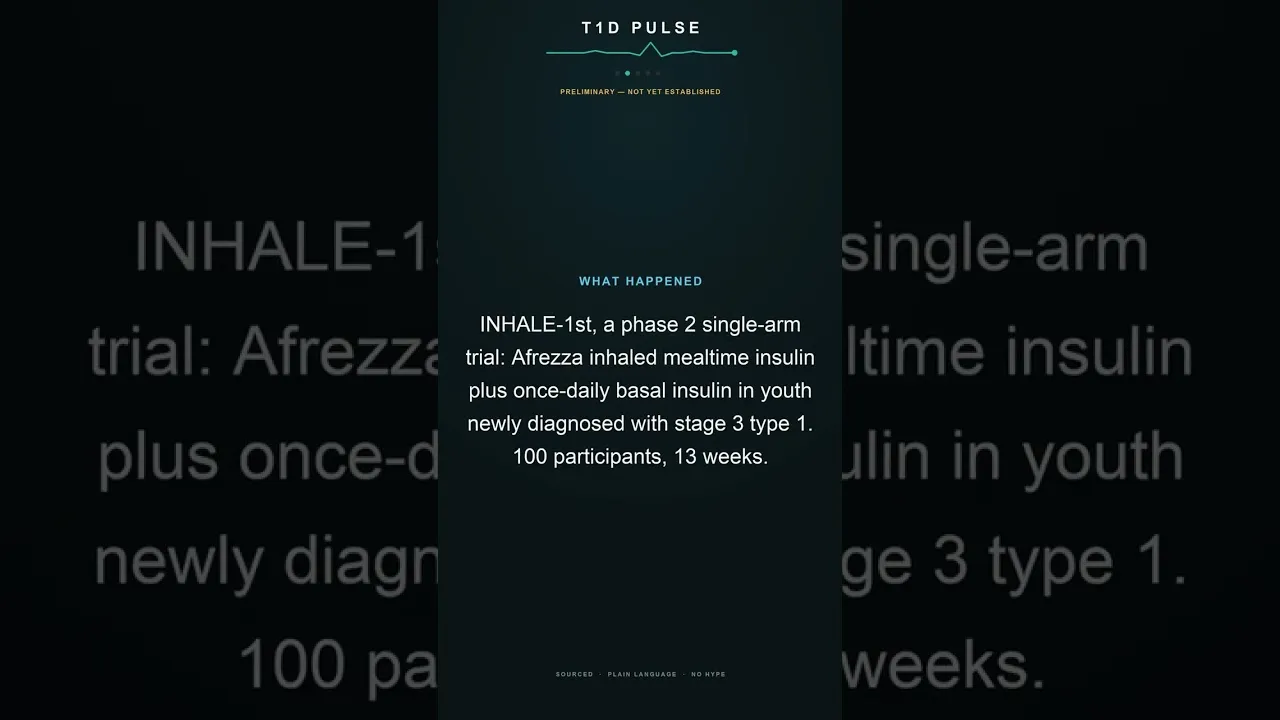
Research is underway to test inhaled mealtime insulin as an option alongside traditional injections. Here's what the studies are examining and when we might see results.
A genetic risk scoring approach could help doctors identify people who would benefit from earlier screening for type 1 diabetes. This tool measures inherited genetic factors that increase disease risk.
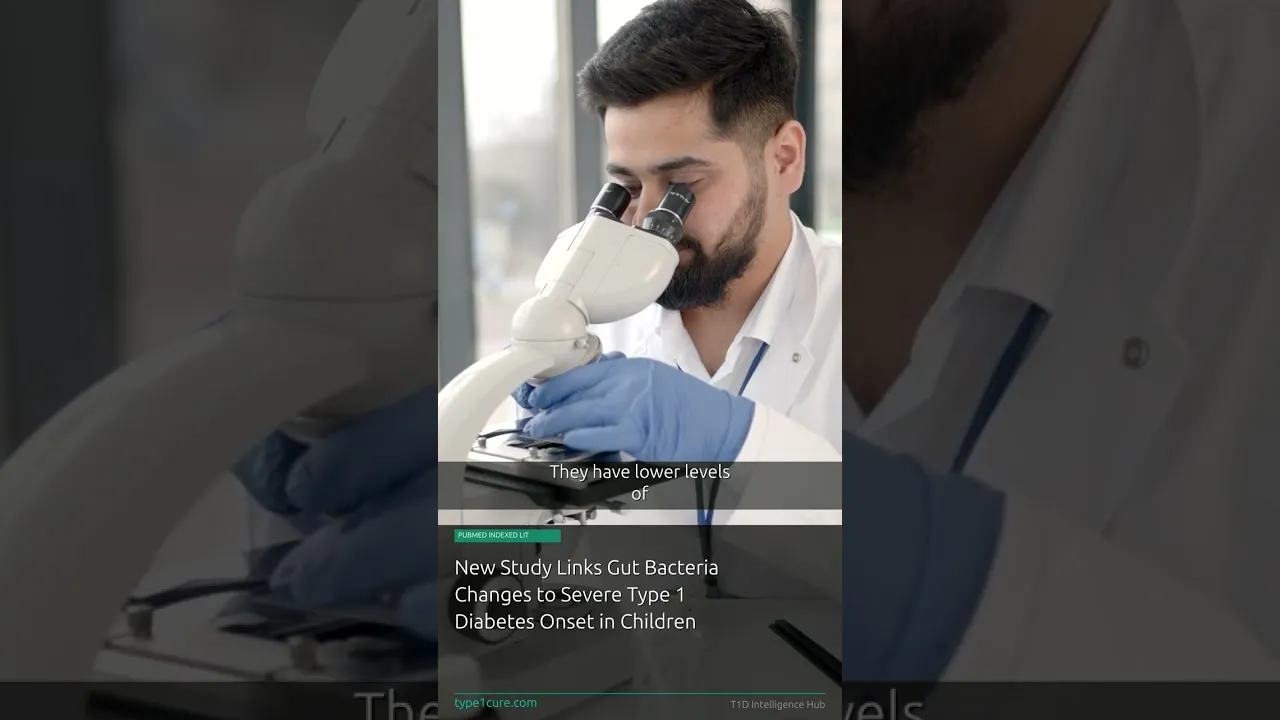
New research shows that children and adults with Type 1 diabetes have distinct changes in their gut bacteria and the substances those bacteria produce. These differences could one day help identify people at risk before diagnosis.
Scientists are studying tiny molecules called microRNAs that change when Type 1 diabetes develops. These molecular patterns might one day help doctors detect the disease before symptoms appear.
Researchers are exploring whether continuous glucose monitoring (CGM) devices could identify diabetes earlier than traditional blood tests. A new framework proposes how CGM might work alongside—or eventually replace—existing diagnostic methods.
Researchers across eight European countries have shown that it's feasible to screen entire populations for type 1 diabetes in its early stages. The findings suggest a potential roadmap for identifying at-risk children before symptoms develop.
A new study listened to parents whose children wear continuous glucose monitors as part of research to track early-stage type 1 diabetes. Their honest feedback reveals both the real challenges and the emotional benefits of knowing their child's risk.
Type 1 diabetes is often thought of as a childhood disease, but more than half of new diagnoses happen in adults. Understanding why misdiagnosis occurs could help more people get the right care sooner.
A five-year study of 246 adults with Type 1 diabetes found that worsening time in range—the amount of time glucose stays within target—was connected to higher rates of eye, kidney, and nerve damage. The findings underscore why consistent glucose control over months and years matters for long-term health.
Researchers are working to make artificial pancreas systems smarter and easier to use. A Wisconsin woman is helping test new breakthroughs that could simplify daily life for millions of people with Type 1 diabetes.
Type 1 diabetes isn't just a childhood disease—and when it shows up in adults, it's often mistaken for type 2. New research reveals how common misdiagnosis is and why it matters.
Doctors reported an unusual case where a serious pelvic infection triggered diabetic ketoacidosis in a woman with Type 2 diabetes. The case highlights why recognizing infections as DKA triggers matters for quick treatment.
Researchers are working to create more reliable tests for identifying Type 1 diabetes earlier and tracking the disease more accurately. New efforts focus on making these tests consistent and trustworthy across different labs and hospitals.
A new automated test for anti-IA2 autoantibodies shows strong performance and could make screening for type 1 diabetes easier and faster in clinical labs.
Health systems across Spain are adopting a coordinated approach to identify and monitor people with early signs of Type 1 diabetes before they develop the disease. This standardized pathway aims to make screening consistent and accessible.
A recent study found that adolescents with Type 1 diabetes and higher average blood sugar levels showed reduced smell function. Researchers say olfactory testing might one day help detect diabetes complications early.
Researchers tracked electrolyte changes in children treated for DKA and found that high chloride levels during treatment may be linked to kidney function changes. Understanding these patterns could help inform treatment approaches.
New research identifies biological markers that may explain why remission looks different for every child. These insights could help doctors predict who might benefit most from remission-focused treatments.
A small Phase 1b study suggests MTX-101, an experimental therapy that activates immune-regulating cells, may help preserve insulin-producing beta cell function in adults with established Type 1 diabetes. Results remain preliminary and require larger studies to confirm.
A rigorous clinical trial found that metformin, a medication commonly used for type 2 diabetes, did not improve insulin resistance in adults with type 1 diabetes over 26 weeks. The finding helps clarify which treatments may—and may not—address this cardiovascular risk factor.
Health officials are calling for wider screening initiatives to identify Type 1 diabetes earlier. Early detection can help people start treatment sooner and better manage their condition.
A new review of 11 studies identifies factors that may increase the risk of a serious complication called cerebral edema during diabetic ketoacidosis in children. Understanding these factors helps doctors provide safer care.
A new UK study suggests that nationwide screening of children could identify Type 1 diabetes earlier, potentially preventing thousands of emergency diagnoses each year.
A new study embedded autoantibody screening into routine well-child visits at a diverse urban health center. While feasible and welcomed by families, the approach faced real-world challenges that affected sustainability.
An international expert group has developed practical care pathways to help patients, families, and healthcare providers navigate early-stage Type 1 diabetes more smoothly. The goal: catch the disease earlier and reduce serious complications like diabetic ketoacidosis.
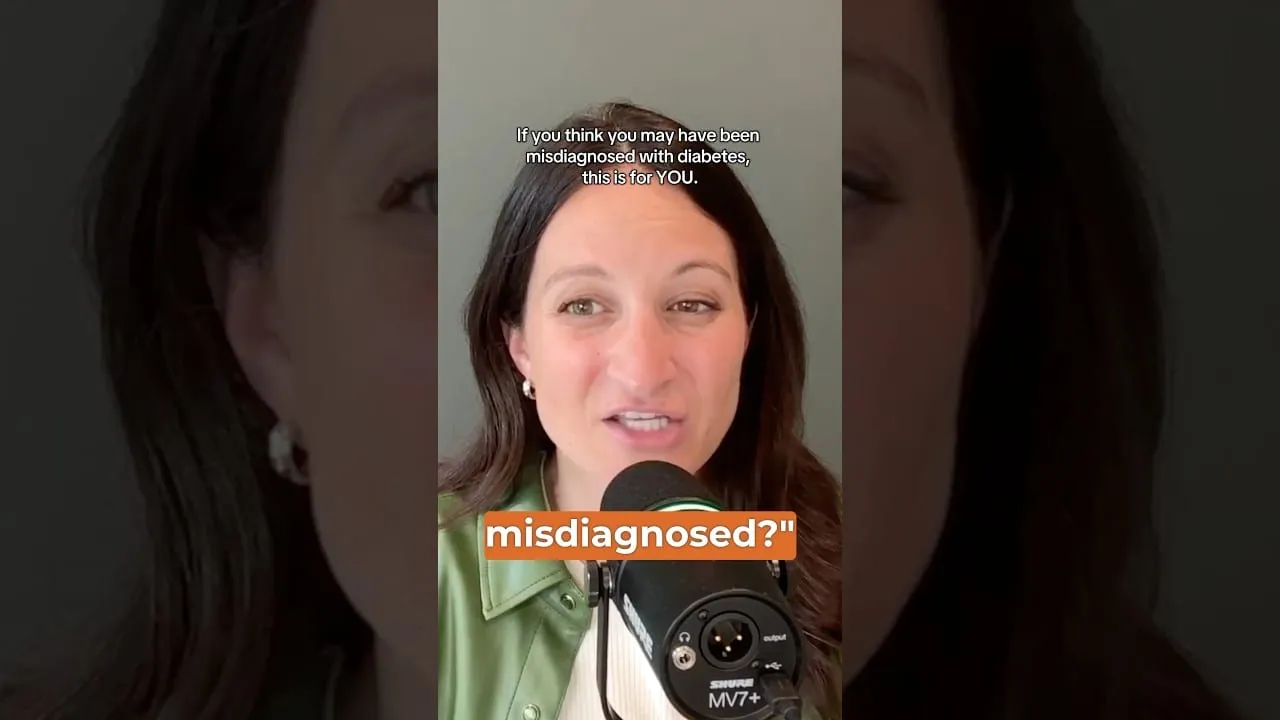
Researchers are working to understand how often people are misdiagnosed between Type 1 and Type 2 diabetes. Getting the correct diagnosis early—even if you're diagnosed later in life—can make a real difference in your treatment plan.
Community video — lay discussion, not peer-reviewed research
Researchers are working to identify and evaluate educational resources for families whose children have been diagnosed with early-stage Type 1 diabetes before symptoms appear. The goal is to help healthcare providers and families navigate this newer screening landscape.
New research suggests that universal screening programs could detect type 1 diabetes in children before symptoms appear, potentially changing how the disease is identified and managed.
Researchers found that a protein called FABP1 in the blood shows promise as an early warning sign of kidney damage in children with Type 1 diabetes, potentially catching problems before current standard tests do.
Researchers found that children with Type 1 diabetes have significantly lower levels of vitamins A and D compared to healthy peers. The findings suggest these nutrients may play a role in Type 1 diabetes development, though more research is needed.
Doctors reported an unusual case of a teenager who developed both Type 1 diabetes and Kimura disease—a rare inflammatory condition—at different times in his life. This case highlights how immune system differences may affect some people in unexpected ways.
Researchers are studying whether an experimental drug called cadisegliatin could help people using hybrid closed loop insulin pumps improve their blood sugar control. A new clinical trial is recruiting adults to test the approach.
Research on young people using insulin injections suggests that adding protein to a bedtime carbohydrate snack may help keep blood sugar steadier overnight than other combinations.
Researchers documented the first known case of a CTLA4 gene variant causing early-onset Type 1 diabetes alongside severe fat loss and insulin resistance. The discovery highlights how genetic mutations can trigger multiple immune and metabolic problems simultaneously.
A major UK research project has validated finger-prick blood tests for detecting type 1 diabetes before symptoms appear. The findings could transform how and when children are diagnosed with the condition.
Researchers at UW Medicine are recruiting adults recently diagnosed with type 1 diabetes to test an investigational drug called CNP-103 that may slow immune system attacks on the pancreas. The trial is evaluating whether the drug can help preserve the body's ability to produce insulin.
A new analysis of nearly 175,000 people with type 1 diabetes found that GLP-1 receptor agonists were associated with reduced risks of major heart events and kidney disease over five years. The findings support exploring these drugs as an additional treatment alongside insulin.
A large Australian study found that people diagnosed with Type 1 diabetes before age 7 had lower rates of serious complications by their 20s and 30s compared to those diagnosed as teenagers—though kidney complications remained common across all groups.
Scientists are investigating whether exposure to certain viruses and bacteria—and our body's response to them—may help explain why Type 1 diabetes develops. Understanding these connections could lead to earlier detection.
Researchers in India found that certain white blood cells and other blood components may reflect whether someone with Type 1 diabetes is developing reduced insulin sensitivity. The findings could eventually help identify who is at risk for complications.
A 40-year study reveals that season of diagnosis depends heavily on age and the presence of other autoimmune conditions, suggesting environmental triggers matter less than we thought for some children.
Type 1 diabetes commonly develops after age 30, yet it's frequently misdiagnosed as Type 2 in adult patients. Understanding the signs can help ensure faster, more accurate diagnosis.
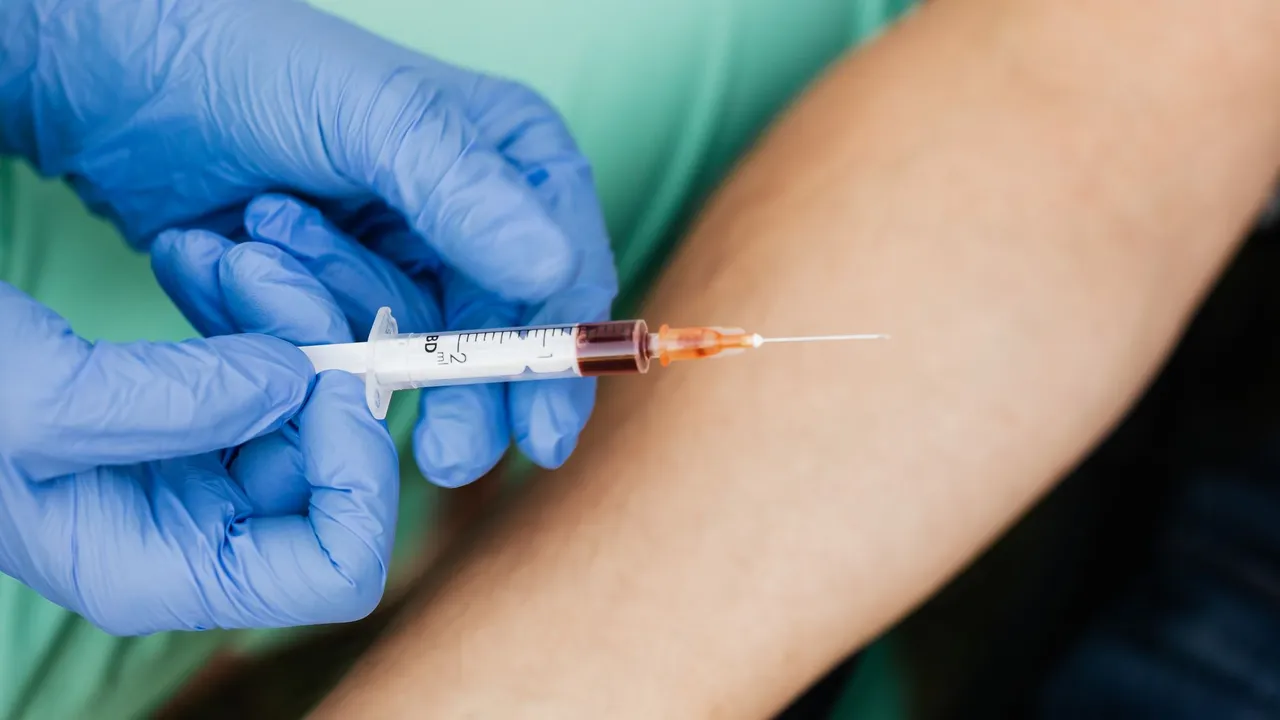
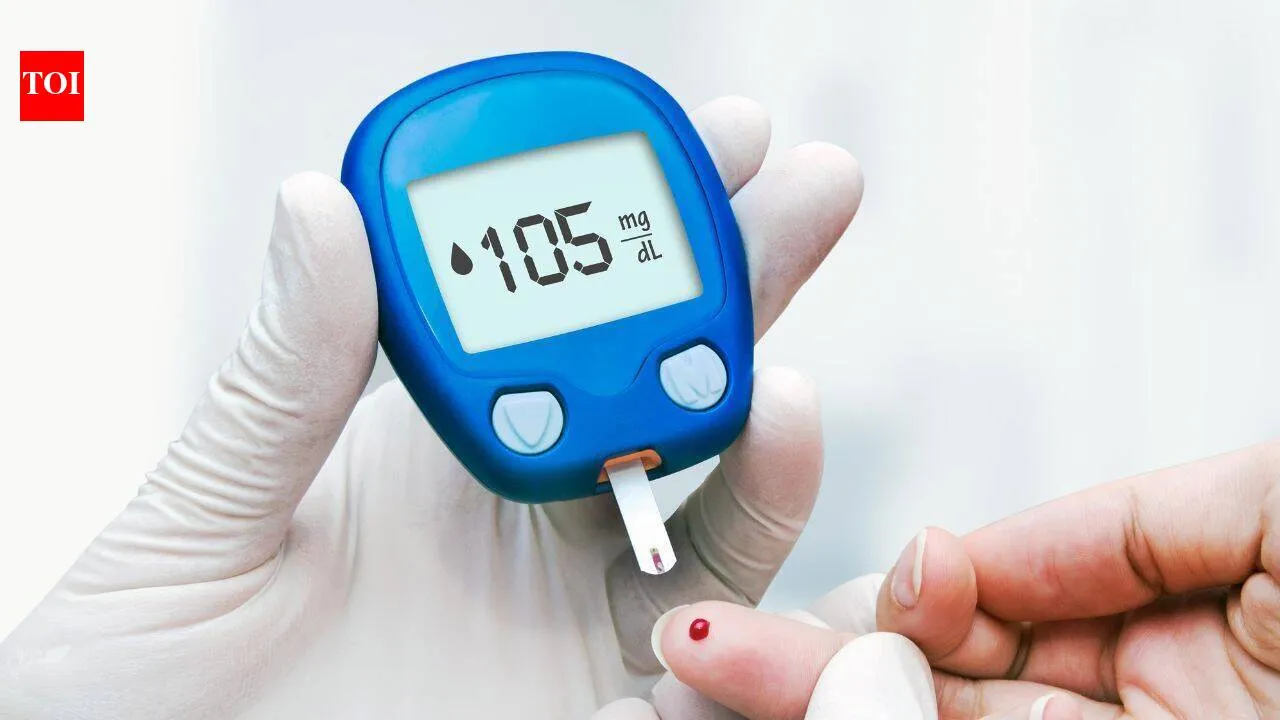
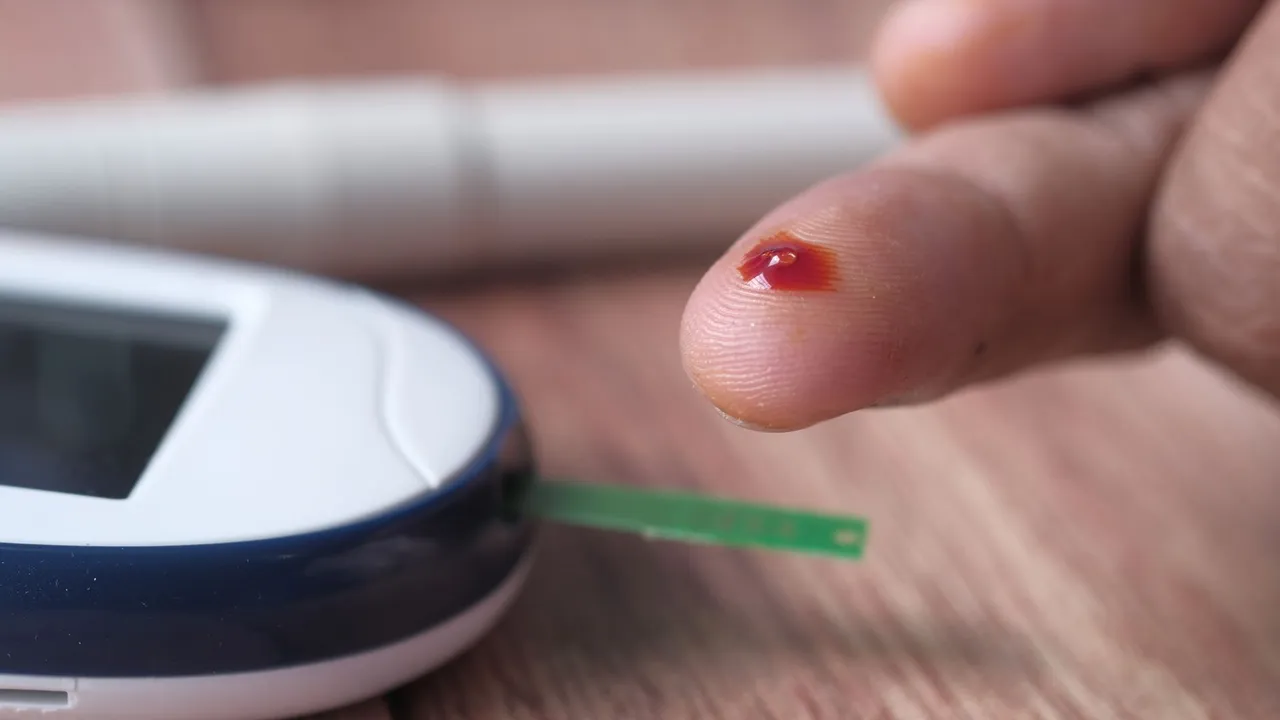
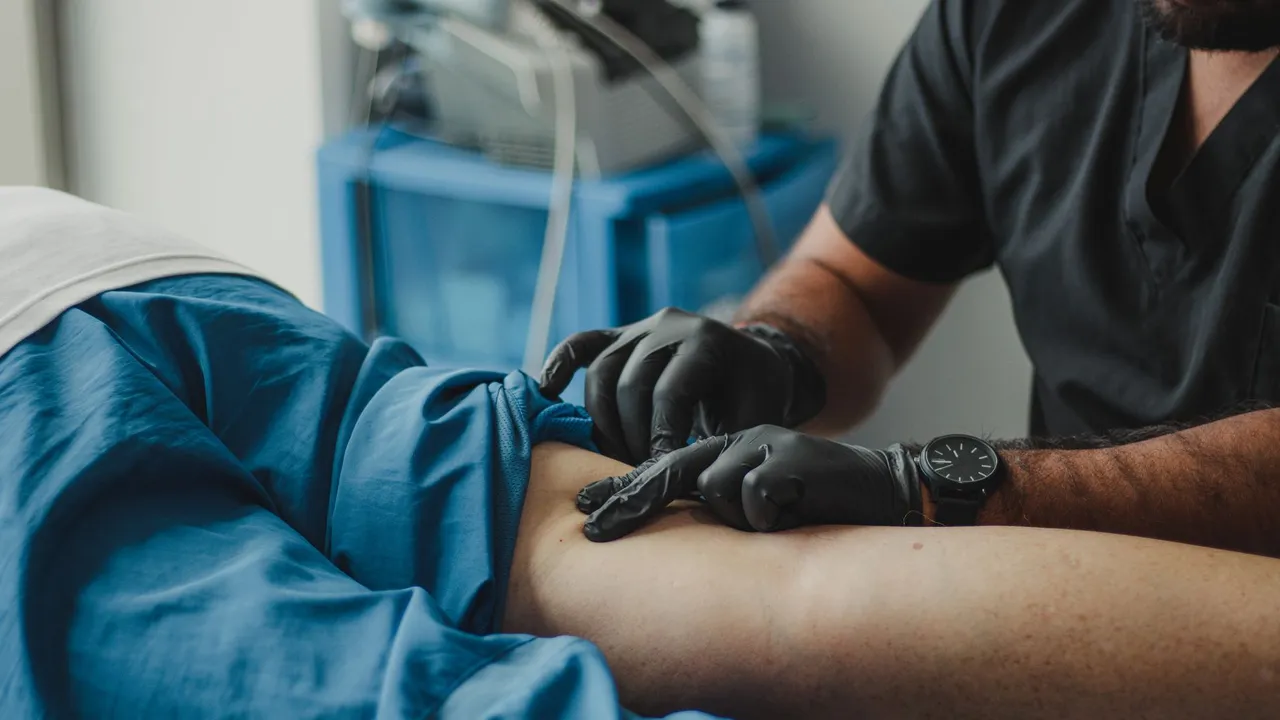
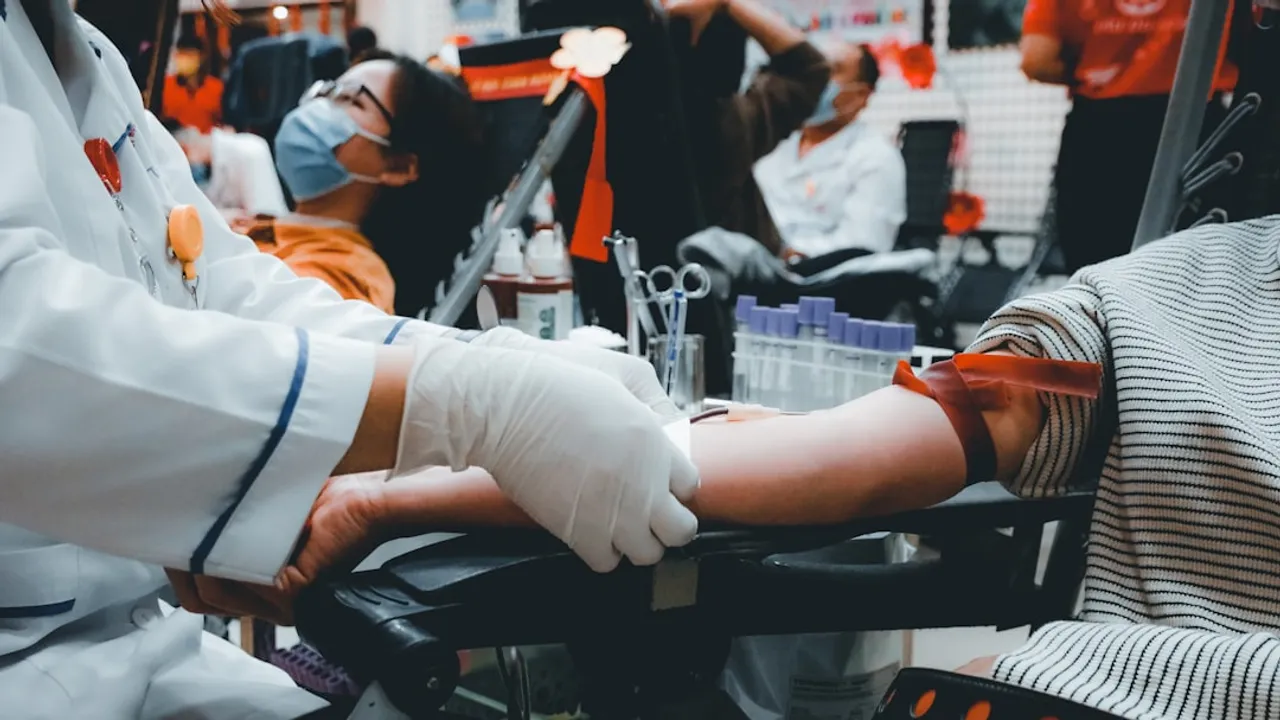
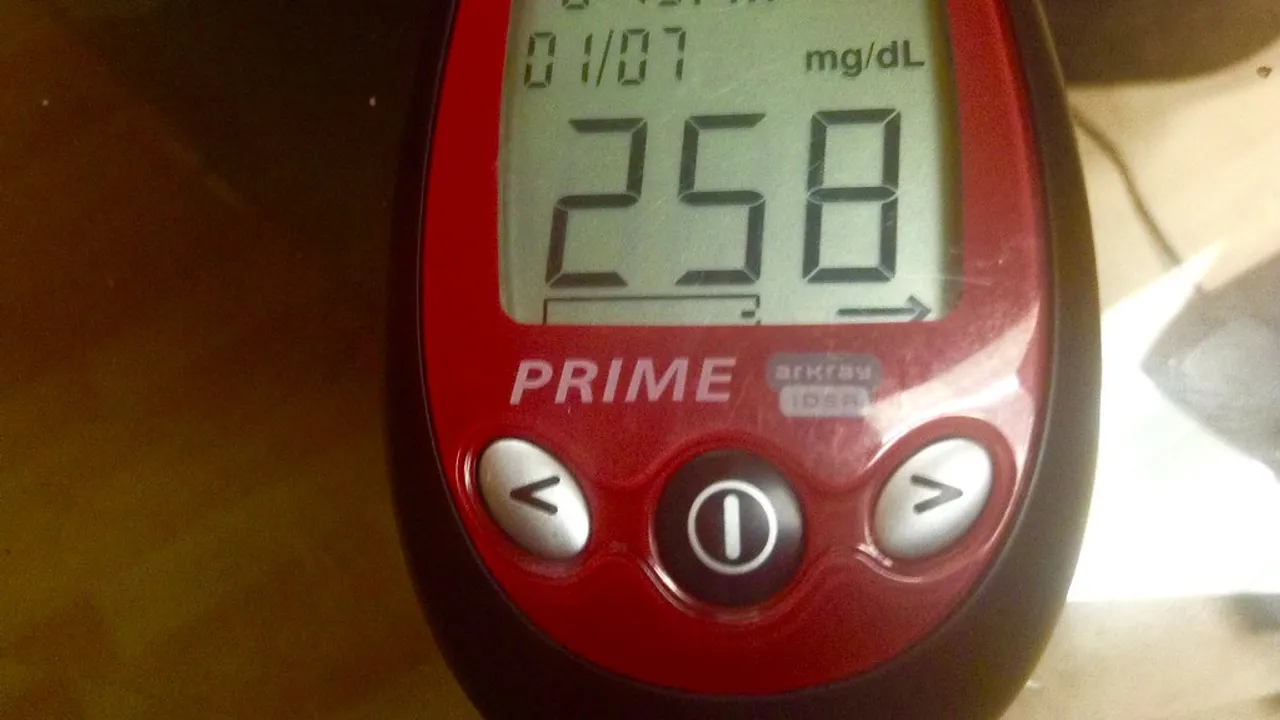
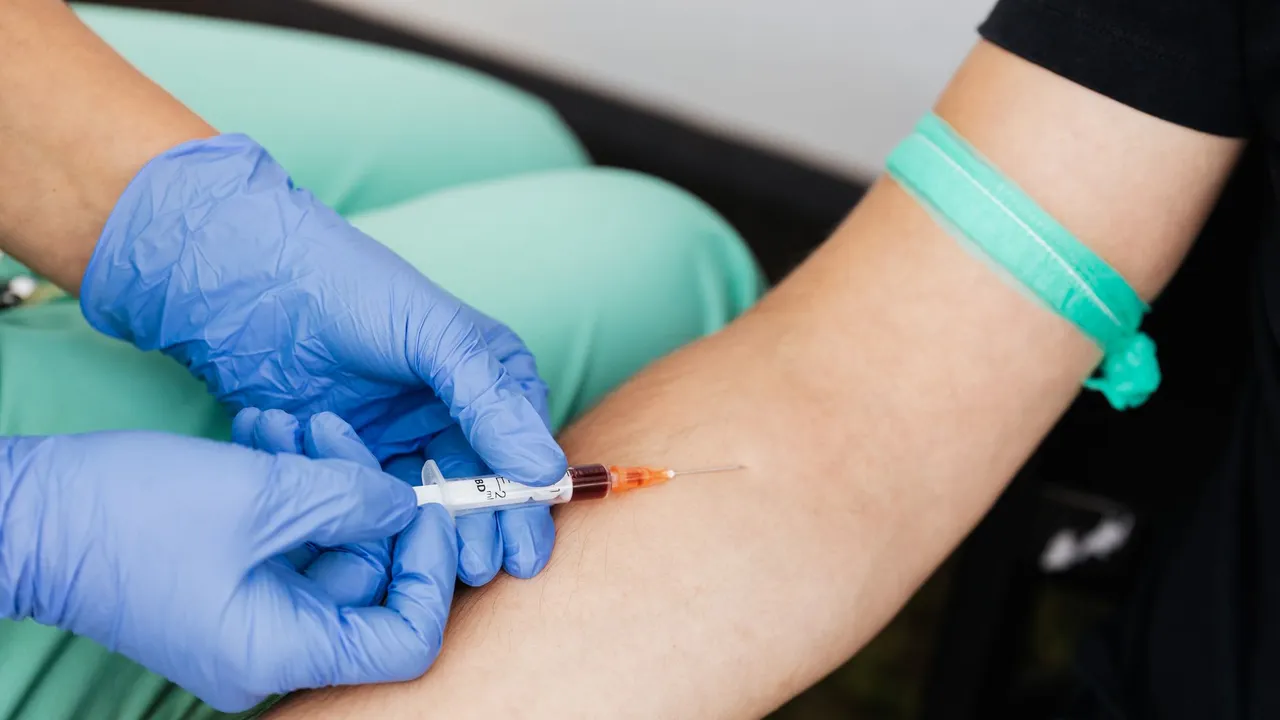
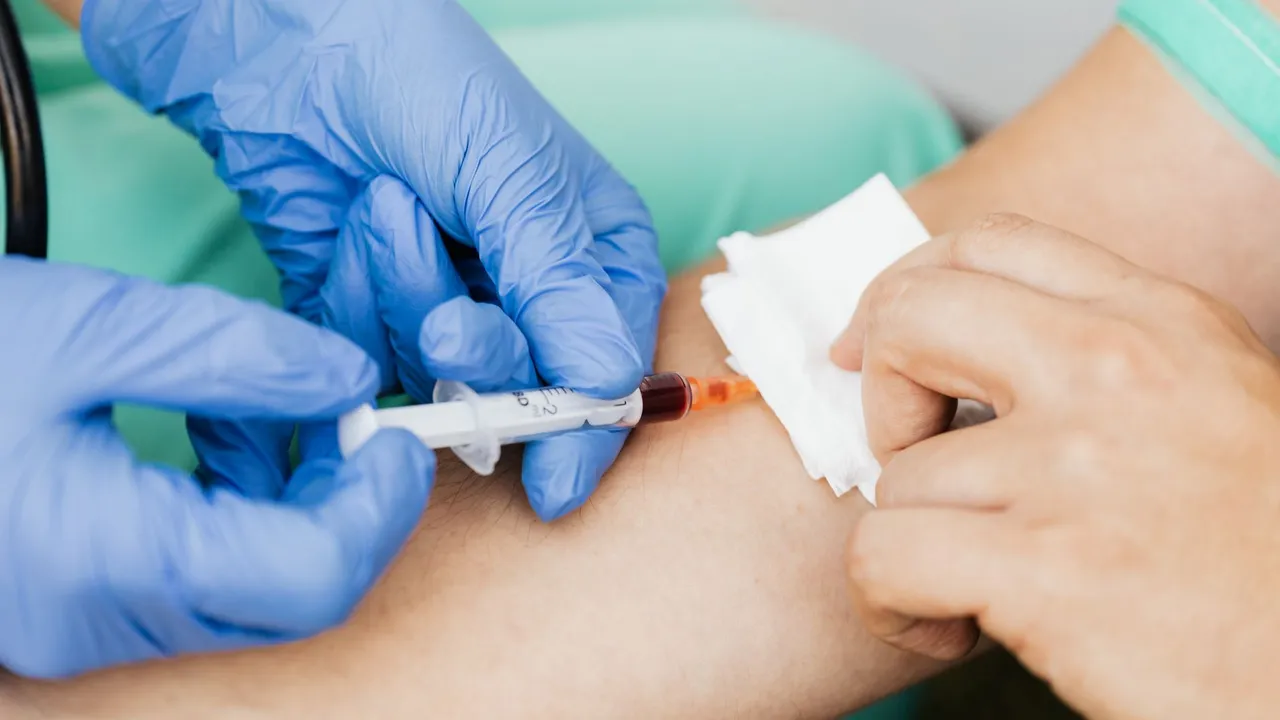
Type 1 diabetes is confirmed through blood tests that measure sugar levels and detect immune markers. Understanding these tests helps families recognize what doctors are looking for.
Type 1 diabetes symptoms can look like common childhood illnesses, leading parents and doctors to delay diagnosis. Understanding what to watch for could help catch the disease before it becomes dangerous.
Community video — lay discussion, not peer-reviewed research
Researchers have developed a more sensitive method to identify insulin autoantibodies, proteins that appear early in people at risk for Type 1 diabetes. This advance could improve how doctors spot the disease in its earliest stages.
Researchers in Oman are developing an artificial intelligence system to identify which children with Type 1 diabetes might struggle with continuous glucose monitor use—before they even get the device. The goal is to catch adherence problems early and offer extra support.
A multicentre study screened 440 children and young adults who have a sibling or parent with Type 1 diabetes, finding that autoantibodies—early signs of disease development—were present in about 16% of participants. The research also examined how families respond emotionally to screening results.
A new study finds that supplemental video appointments may help young people lower their A1c levels when they're using diabetes technology but still having trouble managing their blood sugar.
A new study finds that a widely used formula doesn't reliably identify partial remission in children and teens with higher body weight, raising questions about how remission is measured in clinical trials.
The FDA has approved finerenone, a once-daily oral medication, for adults with chronic kidney disease linked to Type 1 diabetes. This is the first new treatment for this condition in more than 30 years.
Medical experts have developed a structured care pathway to identify and monitor people with early signs of Type 1 diabetes before they ever experience symptoms. This coordinated approach could help streamline screening and follow-up across healthcare systems.
An international expert consensus outlines how population screening for islet autoantibodies can identify type 1 diabetes before symptoms appear, potentially preventing serious complications and enabling earlier treatment.
Researchers have found that a measure called the visceral adiposity index may help identify adults with Type 1 diabetes who are at risk for a common liver condition. Understanding these connections could help doctors spot problems earlier.
A rare form of diabetes can mimic type 1 or type 2, making diagnosis tricky. Doctors are learning to recognize ketosis-prone diabetes through careful monitoring and testing.
Researchers found that adding a Type 1 diabetes genetic risk score to standard MODY testing can identify Type 1 diabetes in patients who previously received unclear results. This approach may lead to faster, more accurate diagnoses.
Diabetic ketoacidosis (DKA) is a serious condition that can occur when Type 1 diabetes is first diagnosed, but research shows that early detection programs and emerging therapies may help prevent it.
A 2026 clinical guideline from Chinese pediatric experts outlines best practices for identifying, diagnosing, and monitoring Type 1 diabetes in children, with emphasis on early screening and ongoing care.
A growing body of research suggests that children exposed to maternal diabetes during pregnancy may face a higher risk of autism spectrum disorder and ADHD. Understanding these links could help families get earlier support.
Researchers examined whether a common class of glaucoma drops called prostaglandin analogs might increase the risk of uveitis (eye inflammation) in children and young adults. Here's what the data showed.
A new study suggests that diluted insulin formulations help automated insulin delivery systems work better for infants and toddlers with Type 1 diabetes, lowering the time they spend dangerously low.
Executive summary. Screening, staging and follow-up of type 1 diabetes in preclinical stages: consensus of the scientific societies SED, SEEN and SEEP Anales de Pediatría
A new study tracking children with diabetes-related antibodies shows that identifying these markers early helps predict who will develop Type 1 diabetes and may lead to milder disease onset.
A simple blood test measuring C-peptide can reveal how much of your pancreas's insulin-producing capacity remains. Here's what doctors are learning about using this measure to guide Type 1 diabetes care.
A population-based screening study in Germany identified presymptomatic type 1 diabetes in nearly 1 in 300 children, offering new insights into how often the disease develops silently before symptoms appear.
New evidence reveals how families respond to early detection programs for type 1 diabetes—from the anxiety it can trigger to why many parents find value in knowing their child's risk.
A 6-month trial found that eating within an 8-hour window improved blood sugar control in people with type 1 diabetes and excess weight, though it didn't lead to significant weight loss compared to standard calorie restriction.
A large analysis of studies finds that children and teens with Type 1 diabetes show subtle changes in how their heart muscle contracts, even when standard heart tests look normal. Researchers say better monitoring tools may help catch heart problems earlier.
Researchers found that a painless electrical measurement called phase angle could potentially help detect dysglycemia—a spectrum of blood sugar irregularities ranging from prediabetes to diabetes. This discovery may offer a new screening tool for large populations.
A new decision support system that uses a Bayesian algorithm and mobile app gave people weekly insulin adjustment recommendations and helped lower their HbA1c levels in a 12-week trial. No safety concerns were reported.
A new study finds that children with higher vitamin D levels at the time of Type 1 diabetes diagnosis were less likely to have severe diabetic ketoacidosis. Researchers are exploring whether vitamin D plays a role in how Type 1 diabetes presents.
A new pilot study demonstrates that screening children for signs of type 1 diabetes autoimmunity can be successfully carried out in clinical practice. Finding these early markers may allow families to prepare for what comes next.
New research reveals that antibody tests in infants can pick up maternal antibodies passed during pregnancy, potentially leading to unnecessary worry. Screening at a later age may give clearer answers.
Researchers are investigating whether a modified immune treatment can help preserve the pancreas's remaining ability to produce insulin in newly diagnosed Type 1 diabetes. A large European trial is examining whether low-dose interleukin-2 (IL-2) works better than placebo.
A new study of children and teens in Korea found that beginning continuous glucose monitoring within the first month after a Type 1 diabetes diagnosis was associated with improved blood sugar management over five years compared to starting later or not using CGM at all.
Researchers have identified a previously unknown region of the ZnT8 protein that autoantibodies target in people with newly diagnosed type 1 diabetes, adding complexity to how we understand these important diagnostic markers.
A new study reveals that children with type 1 diabetes show signs of blood pressure changes and stiffening arteries earlier than their peers. Understanding these early markers may help doctors spot and manage cardiovascular risk sooner.
New research reveals that the stress of managing Type 1 diabetes shifts throughout life—and when mental illness is also present, the burden becomes even more complex. Understanding these challenges can help people and their healthcare teams respond more effectively.
A comprehensive analysis of diabetes registries from 38 countries shows wide variation in how Type 1 diabetes is identified and managed in children—and suggests significant gaps in access to modern tools like glucose monitors.
A large study of pediatric patients reveals that nearly 1 in 5 children with type 1 diabetes develop additional autoimmune conditions. Knowing which diseases are most common and when they appear can help families stay informed about screening and monitoring.
A 25-year analysis shows that while Type 1 diabetes diagnoses in children have increased significantly, the rate of increase has recently slowed. However, more children are arriving at diagnosis with diabetic ketoacidosis, a serious complication.
A large Swedish study found that autistic young people who experienced certain physical health conditions in childhood—including asthma, epilepsy, and type 1 diabetes—were more likely to develop psychiatric conditions by their mid-20s. The findings suggest that early support for both physical and mental health may mat…
A new study finds that about one-third of children newly diagnosed with Type 1 diabetes also show signs of thyroid autoimmunity. Understanding this connection may help doctors monitor young patients more closely.
Researchers have developed a genetic screening tool that analyzes key regions of the genome to predict type 1 diabetes risk earlier than current methods. Early identification could help families watch for symptoms before serious complications develop.
Community video — lay discussion, not peer-reviewed research
Researchers screened over 2,600 family members of people with Type 1 diabetes and found that genetic markers of the disease process appear in Japan at rates similar to other countries. The findings highlight the value of screening relatives to catch Type 1 diabetes before symptoms appear.
A new study reveals that autoantibody testing patterns differ significantly between children and adults with diabetes, leading to many adults being misclassified. The finding highlights an opportunity to improve diagnosis accuracy.
New research shows that more than 1 in 5 children with Type 1 diabetes also develop autoimmune thyroid disease. Understanding this connection helps families know what to watch for.
A follow-up analysis of the DiAPREV-IT trial reveals that an experimental vaccine delayed the onset of stage 3 type 1 diabetes in children with a specific genetic marker. The findings add to ongoing research into immune tolerance approaches.
A new University of Illinois Chicago study found that eating within an 8-hour window improved blood sugar control for some adults with Type 1 diabetes and obesity. The findings are preliminary and researchers emphasize the need for medical supervision before making dietary changes.
A new study of babies under age 2 found that automated insulin delivery systems helped keep blood sugar in target range more often than traditional insulin therapy, with no severe low blood sugar events recorded.
Researchers developed classification models using routine clinical features and blood tests that can accurately identify which type of diabetes an adult has at diagnosis. The findings could help more people receive the right treatment from the start.
A large screening study reveals that the way Type 1 diabetes autoimmunity develops varies significantly across racial and ethnic groups and by neighborhood economic conditions. These findings suggest the need for more tailored screening and prevention approaches.
Diabetic gastroparesis—a common complication where the stomach empties slowly—can occasionally progress to a life-threatening emergency. A recent case report documents what happened when one young woman's gastroparesis advanced to gastric perforation.
A comprehensive review of medical research shows that kidney disease is common in people with Type 1 diabetes, but the progression varies. Here's what we know about the timeline and what affects kidney health.
A new review examined whether the rapid improvements in blood sugar control from automated insulin systems come with risks to vision. Here's what the evidence shows so far.
A 12-year-old girl's symptoms of diabetic ketoacidosis were initially mistaken for grief after her grandmother's death. Her story reveals how emotional distress can hide a life-threatening condition—and why doctors must stay alert.
Norwegian researchers tracked nearly 85,000 children to see if their mothers' vitamin intake during pregnancy affected their type 1 diabetes risk. The answer may surprise you.
A new study shows that most adolescents with Type 1 diabetes experience some disordered eating behaviors tied to their condition. Understanding the connection to anxiety and resilience may help identify who needs support.
Researchers found that an automated computer system can identify children most likely to develop diabetic ketoacidosis (DKA) within the first six months of their Type 1 diabetes diagnosis. Early identification could help doctors provide extra monitoring and support to prevent this serious condition.
A national group of diabetes experts has developed practical guidance for identifying Type 1 diabetes in its earliest stages, before symptoms appear. Early detection opens the door to education, support, and potential disease-modifying treatments.
New understanding of how to identify at-risk relatives has shifted from a single blood test to tracking disease progression over time. Here's what families should know about early detection and treatment options.
A new study reveals that some adults receive an incorrect type 2 diagnosis when they actually have type 1 diabetes. Understanding the difference matters because the two conditions require different treatment approaches.
Community video — lay discussion, not peer-reviewed research
Researchers in Norway developed a reliable method to classify Type 1 and Type 2 diabetes using health records. The findings show that administrative data can accurately help public health officials understand how common each type is.
A small study from Iran found differences in hearing test results between children with Type 1 diabetes and children without the disease. Scientists are working to understand whether Type 1 diabetes affects inner ear function.
Immunosuppressive medications used after heart transplantation can trigger diabetes-related emergencies. Early detection and careful medication management are critical for patient safety.
LADA, a form of autoimmune diabetes that develops slowly in adults, is frequently misdiagnosed as Type 2. One healthcare worker's story shows how proper testing can lead to the right diagnosis and better outcomes.
Community video — lay discussion, not peer-reviewed research
Researchers developed a new algorithm that uses electronic health records to accurately distinguish Type 1 from Type 2 diabetes in adolescents and young adults. The tool could improve how doctors and researchers track and understand diabetes in this age group.
Hyperglycemic hyperosmolar state (HHS) is an uncommon but life-threatening condition that can be the first sign of Type 1 diabetes in young people. Recognizing the warning signs early can be lifesaving.
Expert guidance on a three-stage classification system for Type 1 diabetes is reshaping how clinicians approach the disease—shifting focus toward stopping autoimmune damage before symptoms appear. Here's what the framework means for patients and families.
A new study in Quebec is working to solve a major problem: medical systems can't reliably tell Type 1, Type 2, and other forms of diabetes apart. Getting the numbers right could change how we understand and prevent these diseases.
Researchers have found that specific metabolic measurements can predict which relatives with one diabetes autoantibody are most likely to progress to Type 1 diabetes—helping identify who might benefit from early intervention studies.
As screening programs for islet autoimmunity expand globally, Australian doctors and nurses share what they've learned about implementing these programs in ways that work for families.
Researchers across eight countries tracked whether COVID-19 increases the risk of developing Type 1 diabetes and other autoimmune conditions in the months following infection.
A new study reveals that stigma—the experience of being treated differently or judged because of diabetes—affects many adults with Type 1 diabetes in Saudi Arabia. Understanding these experiences is an important step toward better support.
Hamman's syndrome—a condition involving air in the chest cavity—can occur alongside severe diabetic ketoacidosis. Recognizing its signs is important because it requires different treatment than a more dangerous condition with similar symptoms.
More than half of Type 1 diabetes diagnoses happen in adulthood, yet many adults are mistakenly told they have Type 2. Understanding the difference matters for getting the right treatment.
Community video — lay discussion, not peer-reviewed research
A new study of over 3,500 adults with Type 1 diabetes found that those who had a severe diabetic emergency (ketoacidosis) at diagnosis were more likely to develop retinopathy—damage to the blood vessels in the eye—years later.
Doctors successfully used a specialized blood-filtering therapy to help a young child with type 1 diabetes who developed a life-threatening immune condition that didn't respond to standard treatment. This case adds to our understanding of how to help children facing multiple serious illnesses at once.
A major review finds that we don't yet have clear answers about how often adults should check their blood sugar or what targets to aim for. Researchers are calling for better evidence to guide these daily decisions.
A case report documents how a 14-year-old with newly diagnosed Type 1 diabetes developed a life-threatening fungal infection during treatment for diabetic ketoacidosis. Understanding the warning signs may help with early detection.
Stomach pain during diabetic ketoacidosis is common and usually resolves with treatment—but doctors need to watch for rare, life-threatening complications like intestinal damage that can develop alongside the metabolic crisis.
A rare case shows that long-acting growth hormone can cause severe diabetic ketoacidosis in children without prior diabetes, highlighting the need for careful monitoring in certain patients.
A new study asked people with Type 1 diabetes, caregivers, and doctors in South Africa about their experiences with CGM devices. Here's what they found works—and what gets in the way.
A new review examines how continuous glucose monitoring reveals patterns in MODY, a rare genetic form of diabetes that often looks like Type 1 at first glance. CGM is a useful tool, but genetic testing remains essential.
A major new study tracking diabetes across an entire country reveals shifting patterns in who gets Type 1 diabetes and when—with important implications for understanding the disease.
A new study reveals that while most young people with Type 1 diabetes receive cholesterol screening, abnormal results frequently aren't followed up with treatment or specialist care.
A case study of an 11-year-old with Type 1 diabetes shows how cat scratch disease can hide without its typical warning signs, delaying diagnosis. Understanding atypical presentations may help families and doctors catch it sooner.
A study of hospital admissions in Syria shows that diabetic ketoacidosis (DKA)—a serious metabolic emergency—has distinct patterns in type 1 and type 2 diabetes patients. Understanding these differences may help doctors tailor treatment strategies.
Children with Type 1 diabetes have a higher risk of developing celiac disease, often without obvious symptoms. A long-term study offers insights into better screening approaches.
IPEX syndrome is a rare inherited disorder that can present with Type 1 diabetes in infancy along with other autoimmune and allergic symptoms. Understanding its features may help clinicians recognize it earlier.
Cardiovascular disease is a serious concern for people with diabetes, but Type 1 and Type 2 present different patterns of risk. New research clarifies what we know—and what we're still learning—about protecting heart health with Type 1.
A 20-year study from Korea reveals why doctors need to look beyond symptoms to correctly identify type 1, type 2, and rare MODY in children—and how access to better tests is changing the picture.
While diabetic ketoacidosis is a known risk at Type 1 diagnosis, severe complications involving the kidneys, brain, and blood pressure are rare but serious. A recent case report highlights why early recognition matters.
A new case report documents a rare but serious side effect where cancer immunotherapy led to sudden-onset Type 1 diabetes. Doctors emphasize the importance of early screening and monitoring.
Researchers documented pancreatic changes visible on imaging just before a patient developed severe type 1 diabetes during treatment with atezolizumab. The findings may help identify early warning signs of this uncommon but serious side effect.
A new analysis of studies from the Eastern Mediterranean Region reveals how often celiac disease appears alongside Type 1 diabetes in children. Here's what families should know.
Doctors have documented a rare but treatable side effect in children newly diagnosed with Type 1 diabetes: temporary vision changes and eye misalignment that improve as blood sugar control stabilizes.
Researchers tested whether a modern insulin called insulin glargine works better than traditional human insulin for children and young adults with Type 1 diabetes in Bangladesh and Tanzania.
A large review of recent studies reveals a complicated relationship between obesity and Type 1 diabetes in young people—one that works in both directions and affects how the disease develops and is managed.
A large study of children in China found significantly lower vitamin D levels in those with type 1 diabetes compared to healthy peers. Researchers identified multiple factors that influence these differences.
Researchers are testing an artificial intelligence algorithm designed to identify adults incorrectly labeled as having Type 2 diabetes when they actually have Type 1. Early results suggest the tool could help patients get the right diagnosis and treatment sooner.
A new study from Romania found that nearly one-third of children with celiac disease also have other autoimmune conditions, with Type 1 diabetes being among the most common. Understanding this connection matters for diagnosis and care.
Erythromelalgia is an uncommon complication in children with type 1 diabetes that causes burning pain and redness in the hands and feet. Recognizing its symptoms can help families seek appropriate care.
As gestational diabetes rates climb, continuous glucose monitoring (CGM) is being promoted as a way to improve pregnancy outcomes. But recent research reveals a more complicated picture than some hope.
A new study shows that children diagnosed with both Type 1 diabetes and celiac disease take significantly longer for their celiac antibodies to return to normal levels compared to children with celiac disease alone.
A new study reveals that children with glucokinase MODY—a rare genetic form of diabetes—are often mistakenly treated for Type 1 diabetes. Recognizing the key differences could prevent years of unnecessary insulin therapy.
A small trial found that a fully automated insulin and glucagon delivery system improved blood sugar control in teenagers over a two-week period. Researchers say larger, longer studies are needed to confirm the benefits.
A major review of clinical trials reveals which approaches—from education to care coordination—have been tested to help children and families manage Type 1 diabetes with family and community involvement.
A large study following children for over 15 years found that those who had their tonsils or adenoids removed showed increased rates of several autoimmune conditions. Researchers think the surgery may affect immune system development, though more work is needed to understand why.
Experts have published the first global consensus framework for using continuous ketone monitoring technology to help prevent diabetic ketoacidosis, a serious condition that can develop quickly in people with Type 1 diabetes.
A new study finds that adding protein to a high-carbohydrate breakfast can help keep blood sugar levels more stable in children and teens with Type 1 diabetes. The findings offer practical insight into meal planning.
A new wave of improvements to wearable artificial pancreas devices is helping people with Type 1 diabetes simplify their daily management routines. Researchers are working to reduce the manual steps required to keep these devices working effectively.
Community video — lay discussion, not peer-reviewed research
A study of pediatric DKA cases during Ramadan reveals that fasting, sleep changes, and dehydration create specific patterns of emergency episodes in children with Type 1 diabetes. Understanding these patterns may help families prepare.
A new study examined how well insurance billing records capture cases of diabetic ketoacidosis (DKA) when children are first diagnosed with Type 1 diabetes. Understanding these patterns helps researchers and doctors better track and respond to this serious condition.
A new study reveals that parents of children with Type 1 diabetes face distinct challenges depending on their role. Understanding these differences can help families, healthcare providers, and support programs serve all parents better.
Latent autoimmune diabetes in adults (LADA) develops slowly and can look like Type 2 diabetes at first, but it's actually an autoimmune condition that eventually requires insulin. Understanding the difference matters for getting the right treatment.
Community video — lay discussion, not peer-reviewed research
Type 1 diabetes diagnosed in adulthood is often mistaken for type 2, pre-diabetes, or gestational diabetes—sometimes with serious consequences. Understanding the difference can help you advocate for the right diagnosis and care.
Community video — lay discussion, not peer-reviewed research
Type 1 diabetes diagnosis involves blood sugar testing and specialized blood tests that measure average glucose levels and detect immune system involvement. Understanding these tests can help you recognize what your child's doctor is looking for.
Community video — lay discussion, not peer-reviewed research
A new study from Thailand reveals that a slower-progressing form of Type 1 diabetes called LADA is often mistaken for Type 2, delaying correct diagnosis by an average of seven years. Understanding the differences could help more adults get the right treatment sooner.
A major clinical trial shows that teplizumab helps preserve the insulin-producing cells in young people recently diagnosed with stage 3 type 1 diabetes. The treatment also reduced insulin needs and improved blood sugar time in range.
A study of 244 clinics across 21 countries reveals significant differences in how well equipped healthcare centers are to diagnose, treat, and study Type 1 diabetes in children. The findings highlight where resources and support are most needed.
A case report highlights the dangers of using unregulated research peptides purchased online, especially for those managing Type 1 diabetes who depend on insulin to prevent life-threatening complications.
A large study of Italian health records reveals that Type 1 diabetes is becoming more common in children, and shows which other conditions tend to develop alongside it.
New research shows that most children with both celiac disease and type 1 diabetes can follow a gluten-free diet successfully—but some struggle. Understanding what makes the difference could help.
A new study tracked how young people and their parents feel in the months after diagnosis, and what those feelings tell us about managing newly diagnosed type 1 diabetes.
A new study reveals that families' experiences with their diabetes care team directly affect how well nutrition advice works for children with Type 1 diabetes. Researchers identified key gaps—and opportunities—in how nutrition education is delivered.
Many people are incorrectly diagnosed with Type 2 diabetes when they actually have Type 1, because outdated assumptions persist about who can develop the autoimmune form. Two simple tests can help get the right diagnosis.
Community video — lay discussion, not peer-reviewed research
A major review of diagnostic tools reveals which biomarkers work best for identifying Type 1 diabetes in adults, and highlights where our testing methods still need improvement—especially in resource-limited settings.
A systematic review of randomized trials shows that hybrid closed-loop insulin systems significantly improve time in range for children under 7 with Type 1 diabetes, without increasing serious risks.
New research explores how neurodivergent children and teens manage Type 1 diabetes, revealing both unique challenges and practical solutions that help families thrive.
A new study found that children diagnosed with Type 1 diabetes during a respiratory viral infection face more severe complications at onset and challenges with blood sugar control afterward. Understanding this connection may help doctors better support newly diagnosed youth.
A new study identifies the real-world barriers—from economics to stigma—that make it hard for Ghanaian youth to manage their diabetes well, even when insulin is available for free.
Researchers describe an unusual kidney condition that developed in a young woman with longstanding type 1 diabetes, highlighting the importance of monitoring kidney health and understanding uncommon complications.
A large study of over 400 children reveals common patterns in how Type 1 diabetes presents and what other health conditions often appear alongside it. Understanding these patterns helps doctors spot and manage the disease earlier.
A new study finds that the MiniMed 780G system helps older adults aged 65 and above achieve better blood sugar control while remaining safe to use, even for those with long-standing diabetes and multiple health conditions.
Research shows children who develop diabetic ketoacidosis when diagnosed with Type 1 diabetes have distinctive changes in their gut bacteria and lower levels of protective microbial byproducts. Understanding these differences may eventually help identify which newly diagnosed children are at higher risk for this serio…
Researchers have identified a rare condition where Type 1 diabetes and autoimmune brain inflammation occur in the same patients, linked by a specific autoantibody. Understanding this overlap may help doctors recognize and treat the condition more effectively.
A case study shows how continuous glucose monitors can mask a serious metabolic emergency in people with Type 1 diabetes taking certain medications. Understanding the warning signs is crucial.