How Researchers Are Testing New Ways to Delay Type 1 Diabetes
Clinical trials are exploring treatments that might slow or prevent Type 1 diabetes progression in people with early warning signs. Here's what researchers have learned so far—and what's still being tested.
Evidence label explains the kind of source behind this article (for example peer-reviewed literature vs community video). It is not medical advice.
Key takeaways
- Teplizumab is currently the only FDA-approved therapy shown to delay progression from Stage 2 to Stage 3 Type 1 diabetes
- A recent trial found that hydroxychloroquine did not delay Type 1 diabetes progression, though it did reduce certain autoantibody levels
- Researchers are using advanced computer models to design more efficient clinical trials and test new prevention approaches
- Early detection through screening for autoantibodies makes it possible to identify people who might benefit from preventive treatments
The Search for Prevention Therapies
For over a century, insulin has been the main treatment for Type 1 diabetes. But researchers are now focused on an earlier goal: stopping the disease before it starts. Clinical trials are testing whether certain medications can delay or prevent Type 1 diabetes progression in people who show early warning signs.
Currently, teplizumab is the only FDA-approved therapy that has demonstrated the ability to delay progression from Stage 2 to Stage 3 Type 1 diabetes. This represents a significant milestone, though researchers continue to search for additional options and ways to improve outcomes.
What Happened With Hydroxychloroquine
In a recent clinical trial published in 2023, researchers tested whether hydroxychloroquine—a drug that affects the immune system—could slow Type 1 diabetes progression in 273 people with Stage 1 disease. Half received hydroxychloroquine (5 mg/kg per day, up to 400 mg maximum), and half received a placebo.
After about 23 months of follow-up, the trial was stopped early because the medication did not delay progression to Stage 2 Type 1 diabetes. The good news: hydroxychloroquine was safe, with no safety concerns even after regular eye exams.
However, researchers did observe some secondary effects. People taking hydroxychloroquine showed a temporary improvement in glucose response at six months, and they had lower levels of certain autoantibodies (anti-GAD and anti-insulin). They also acquired fewer new autoantibodies over time. While these changes were measurable, they were not enough to prevent disease progression.
Building Better Trial Designs
Clinical trials for Type 1 diabetes prevention face significant challenges. With over 100 years of diabetes research behind us, scientists recognize that designing these trials efficiently requires careful planning. To address this, researchers have created a computer simulation tool that uses data from major natural history studies to predict how Type 1 diabetes develops and progresses.
This tool allows researchers to test trial designs before running them, adjusting factors like sample size, trial length, assessment schedules, and expected dropout rates. By running simulations, researchers can estimate the probability that a new treatment will show a statistically significant difference compared to placebo. The tool is publicly available online, helping to streamline the design of future prevention trials.
Why Early Detection Matters
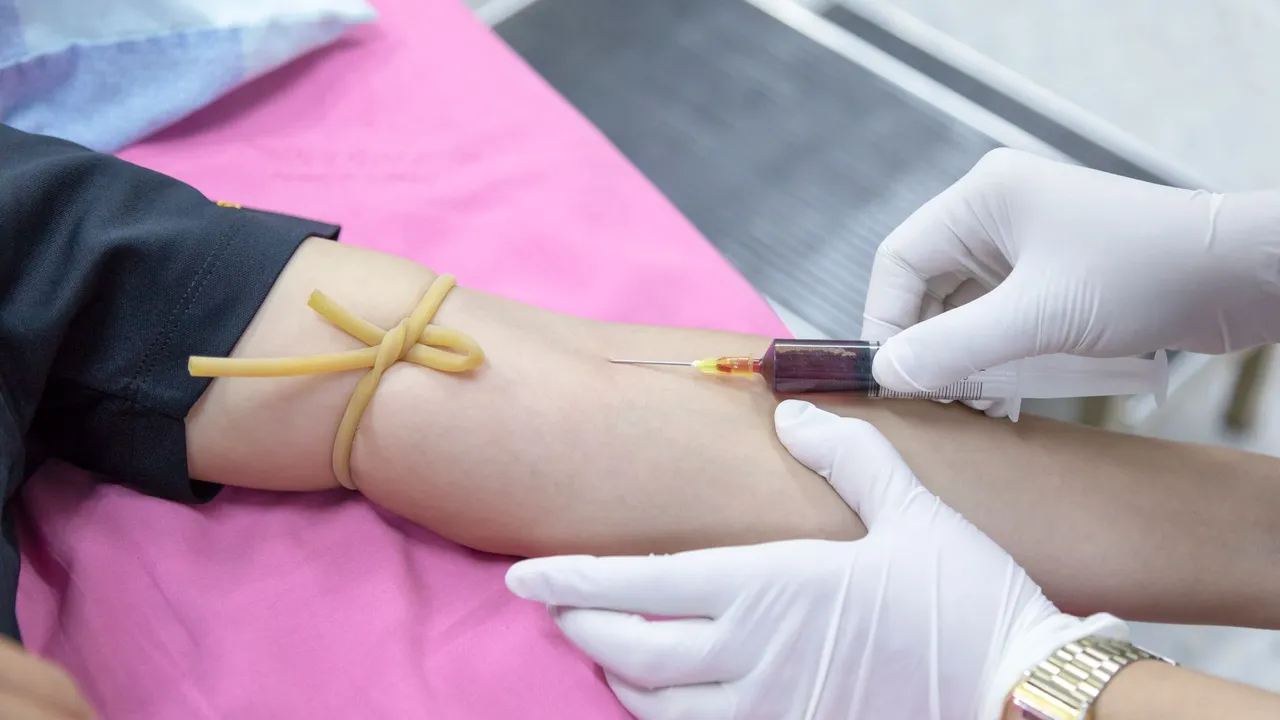
The possibility of delaying or preventing Type 1 diabetes depends on identifying people at risk before symptoms appear. This is why screening for autoantibodies—immune markers that signal early-stage Type 1 diabetes—has become increasingly important. People identified with Stage 1 or Stage 2 Type 1 diabetes (based on autoantibody presence) may be candidates for preventive therapies.
Researchers emphasize that while we are getting closer to having real therapeutic options beyond traditional management, the field remains focused on continuous improvement. Each trial—whether successful or not—provides valuable information that brings the goal of Type 1 diabetes prevention closer to reality.
Evidence label
Origin: YouTube / Diabetes Connections (Video report). Evidence: Video report, corroborated with 2 indexed studies. Type1Cure is an information and intelligence hub, not a medical advice service. This article summarizes published research and does not provide diagnosis, treatment, or personal medical guidance. Always talk to your own care team before changing anything about your Type 1 diabetes management.
Type1Cure is an information and intelligence hub, not a medical advice service. This article summarizes published research and does not provide diagnosis, treatment, or personal medical guidance. Always talk to your own care team before changing anything about your Type 1 diabetes management.
Related reading
More evidence-labeled coverage across the Type1Cure library.
- Diagnosis & Early DetectionUnderstanding the Stages of Type 1 Diabetes: From Invisible to DiagnosisVideo report, corroborated with 3 indexed studies
- Diagnosis & Early DetectionWhy Family Members Should Know About Type 1 Diabetes ScreeningVideo report, corroborated with 5 indexed studies
- Diagnosis & Early DetectionGenetic Screening May Help Identify Type 1 Diabetes in AdultsNews report, corroborated with 3 indexed studies
- Diagnosis & Early DetectionA Simple Blood Test May Help Doctors Assess How Severe Your DKA IsPubMed indexed literature
- Diagnosis & Early DetectionUnderstanding Type 1 Diabetes Screening: What Happens Before DiagnosisVideo report, corroborated with 3 indexed studies
- Diagnosis & Early DetectionA New Approach to Finding Type 1 Diabetes Early: Testing During Routine CheckupsPubMed indexed literature