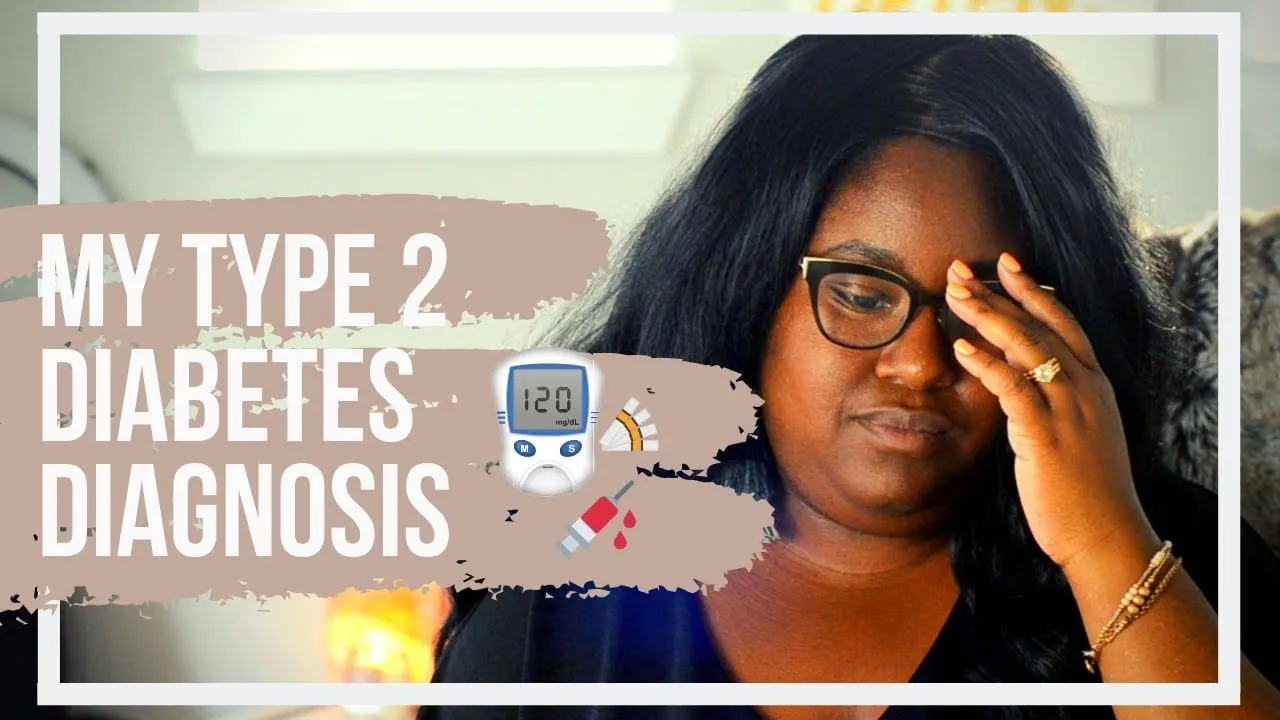
Recognizing the Signs: What Type 2 Diabetes Symptoms Felt Like for One Person
A first-hand account of the physical warning signs that prompted a Type 2 diabetes diagnosis. Learning to recognize your body's signals matters.
Evidence label explains the kind of source behind this article (for example peer-reviewed literature vs community video). It is not medical advice.
Key takeaways
- Common Type 2 diabetes symptoms include excessive thirst, frequent urination, unexplained weight loss, and persistent fatigue
- Symptoms can be subtle enough to dismiss at first, but patterns of multiple signs together warrant a doctor's visit
- Recognizing what's happening in your body and acting on it—even when you're uncertain—is an important step toward getting answers
When Something Feels Off
For about three years before seeking medical care, one person noticed persistent physical symptoms that nagged at her: feeling clammy, shaky, and unable to sleep well. The discomfort was vague enough that she kept putting off a doctor's visit, unsure what might be wrong or even whether anything serious could be happening.
Multiple Warning Signs Add Up
Over time, the symptoms became harder to ignore. She began waking up every two hours to urinate, lost weight rapidly without trying, and experienced extreme hunger that didn't go away even after eating large meals. Alongside these changes came overwhelming fatigue that affected her daily life.
Taking Action
Eventually, the combination of symptoms became impossible to dismiss. She decided to schedule a checkup with her doctor—a step she had delayed multiple times before. This decision to finally seek medical evaluation led to her Type 2 diabetes diagnosis.
Why This Story Matters
Personal accounts of diagnosis experiences help others recognize patterns in their own health. If you notice a cluster of symptoms—especially frequent urination, unexplained weight loss, persistent hunger, or severe fatigue—talking to your doctor is a reasonable next step, even if you're uncertain what's causing them.
Evidence label
Source: YouTube community video. Evidence type: Community video — lay discussion, not peer-reviewed research. Type1Cure is an information and intelligence hub, not a medical advice service. This article summarizes published research and does not provide diagnosis, treatment, or personal medical guidance. Always talk to your own care team before changing anything about your Type 1 diabetes management.
Type1Cure is an information and intelligence hub, not a medical advice service. This article summarizes published research and does not provide diagnosis, treatment, or personal medical guidance. Always talk to your own care team before changing anything about your Type 1 diabetes management.
Related reading
More evidence-labeled coverage across the Type1Cure library.
- DiagnosisGetting the Right Diagnosis: Why Type 1 and Type 2 Classification Matters at Every AgeCommunity video — lay discussion, not peer-reviewed research
- DiagnosisWhy Type 1 Diabetes Is Often Missed in AdultsCommunity video — lay discussion, not peer-reviewed research
- DiagnosisWhy Type 1 Diabetes Is Often Misdiagnosed—and Why Early Recognition MattersCommunity video — lay discussion, not peer-reviewed research
- DiagnosisNew Genetic Test May Help Identify Babies at Risk for Type 1 DiabetesCommunity video — lay discussion, not peer-reviewed research
- DiagnosisWhen Type 2 Isn't Type 2: Why LADA Gets MissedCommunity video — lay discussion, not peer-reviewed research
- DiagnosisAdult Type 1 Diabetes: Why Misdiagnosis as Type 2 Is So CommonCommunity video — lay discussion, not peer-reviewed research