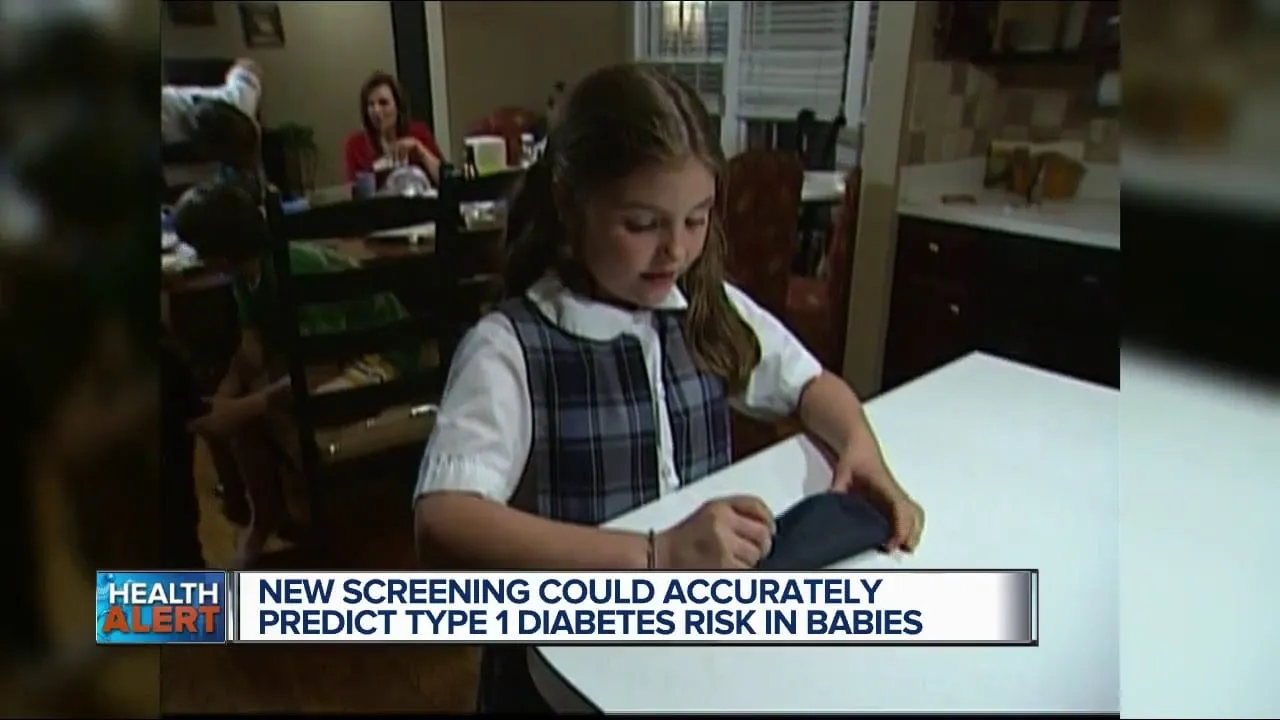
New Genetic Test May Help Identify Babies at Risk for Type 1 Diabetes
Researchers have developed a genetic screening tool that analyzes key regions of the genome to predict type 1 diabetes risk earlier than current methods. Early identification could help families watch for symptoms before serious complications develop.
Evidence label explains the kind of source behind this article (for example peer-reviewed literature vs community video). It is not medical advice.
Key takeaways
- A new genetic risk score called T1DGS analyzes specific regions of DNA to identify babies who may develop type 1 diabetes later in life
- The test was developed by researchers at the University of Exeter and the Pacific Northwest Research Institute in Seattle using genetic data from over 6,500 type 1 diabetes patients
- Type 1 diabetes can develop years before any symptoms appear, so early identification may help families recognize warning signs sooner
- Knowing a child's risk could allow parents and doctors to monitor for early symptoms like increased thirst, frequent urination, and unexplained weight loss
A More Accurate Screening Tool
Researchers at the University of Exeter and the Pacific Northwest Research Institute in Seattle have created a new genetic screening test designed to identify babies at risk for developing type 1 diabetes. The test, called the T1DGS (Type 1 Diabetes Genetic Risk Score), analyzes specific regions of a person's genome—their genetic blueprint—to assess diabetes risk.
The test was developed after researchers studied genetic information from more than 6,500 people with type 1 diabetes, identifying genetic variations that appear linked to disease risk. This genetic foundation may help the test identify at-risk babies more accurately than current screening methods.
Why Early Identification Matters
Type 1 diabetes develops when the immune system mistakenly attacks insulin-producing beta cells in the pancreas. Importantly, this process can begin years before any symptoms appear—meaning a child could be developing the condition without anyone knowing.
If parents and doctors know a child is at risk, they can watch for early warning signs like increased thirst, frequent urination, extreme hunger, and unexplained weight loss. Catching these symptoms early may help prevent serious complications that can develop if diabetes goes undiagnosed.
What This Could Mean for Families
Early awareness of type 1 diabetes risk gives families the opportunity to be proactive. Parents can learn to recognize symptoms and seek medical attention promptly if they appear, potentially avoiding emergency situations or hospitalization.
Type 1 diabetes can develop at any age, though research shows two peak periods when diagnosis is most common. Having a genetic screening tool may help identify children during the years when they are most vulnerable to disease onset.
Evidence label
Source: YouTube community video. Evidence type: Community video — lay discussion, not peer-reviewed research. Type1Cure is an information and intelligence hub, not a medical advice service. This article summarizes published research and does not provide diagnosis, treatment, or personal medical guidance. Always talk to your own care team before changing anything about your Type 1 diabetes management.
Type1Cure is an information and intelligence hub, not a medical advice service. This article summarizes published research and does not provide diagnosis, treatment, or personal medical guidance. Always talk to your own care team before changing anything about your Type 1 diabetes management.
Related reading
More evidence-labeled coverage across the Type1Cure library.
- DiagnosisWhy Type 1 Diabetes Is Often Missed in AdultsVideo report, corroborated with 5 indexed studies
- DiagnosisGetting the Right Diagnosis: Why Type 1 and Type 2 Classification Matters at Every AgeCommunity video — lay discussion, not peer-reviewed research
- DiagnosisWhy Type 1 Diabetes Is Often Misdiagnosed—and Why Early Recognition MattersCommunity video — lay discussion, not peer-reviewed research
- DiagnosisRecognizing the Signs: What Type 2 Diabetes Symptoms Felt Like for One PersonCommunity video — lay discussion, not peer-reviewed research
- DiagnosisWhen Type 2 Isn't Type 2: Why LADA Gets MissedCommunity video — lay discussion, not peer-reviewed research
- DiagnosisAdult Type 1 Diabetes: Why Misdiagnosis as Type 2 Is So CommonCommunity video — lay discussion, not peer-reviewed research