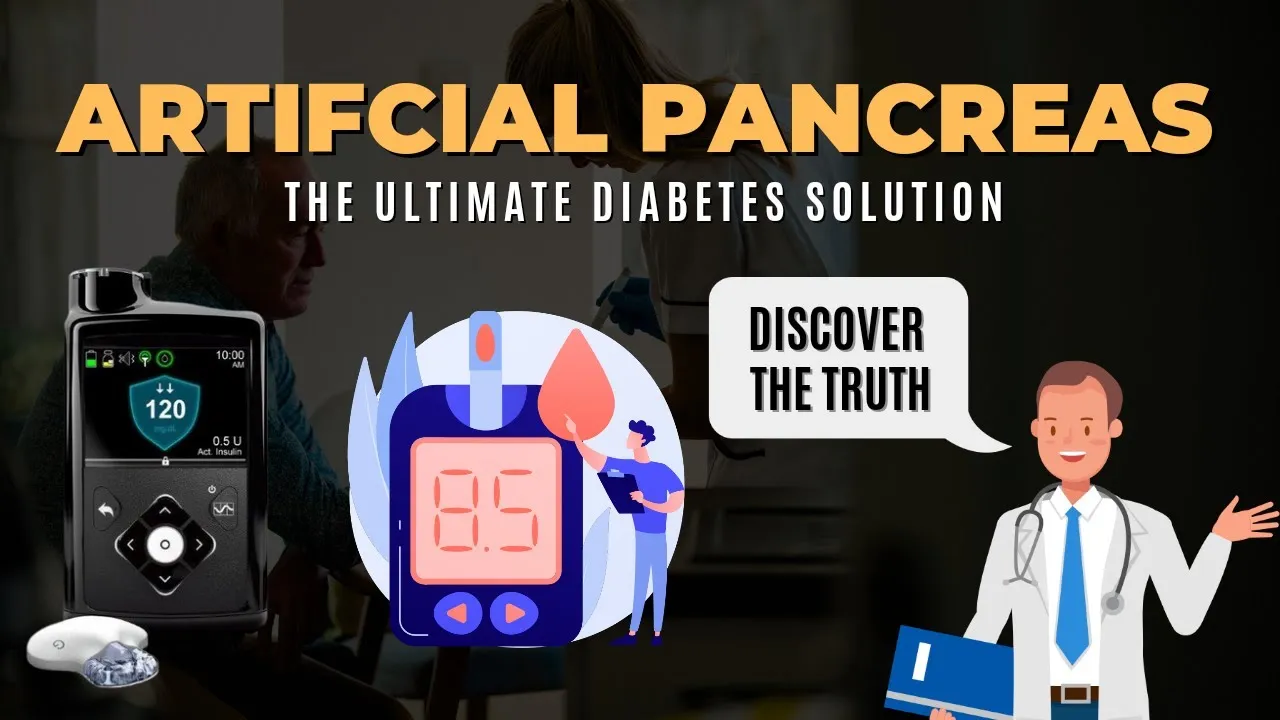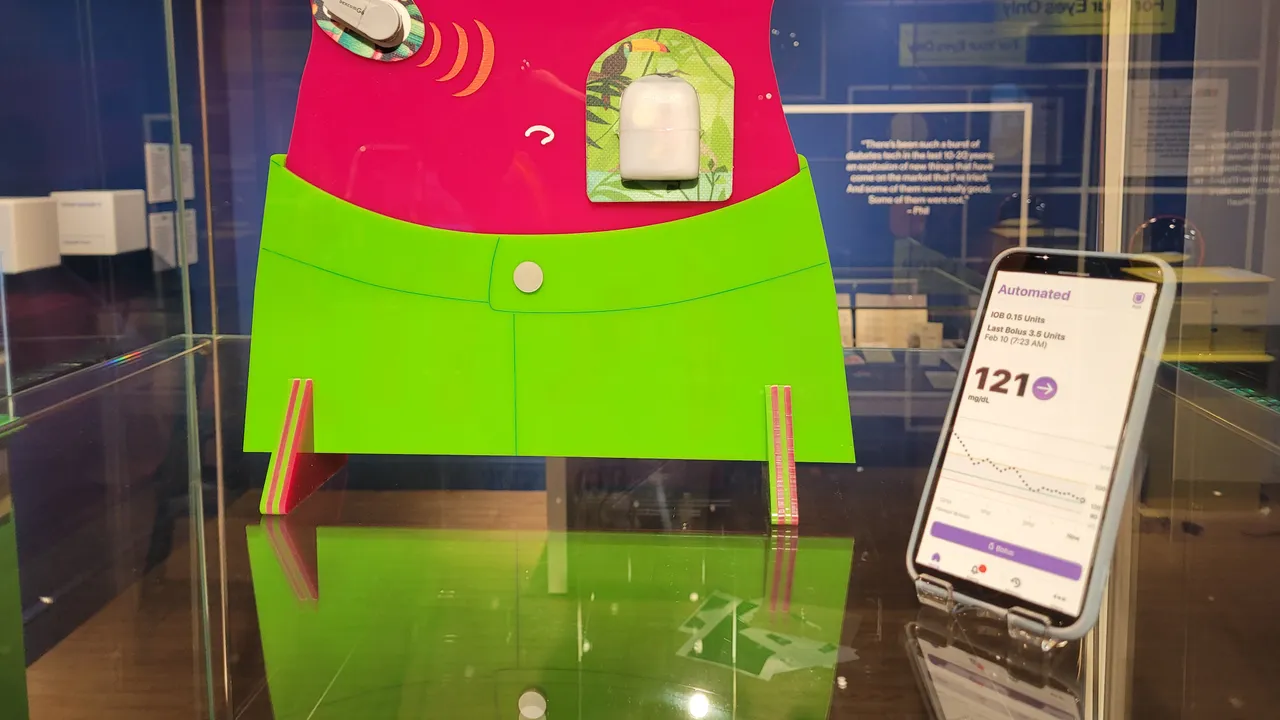
Automated Insulin Delivery: Progress and Future Needs
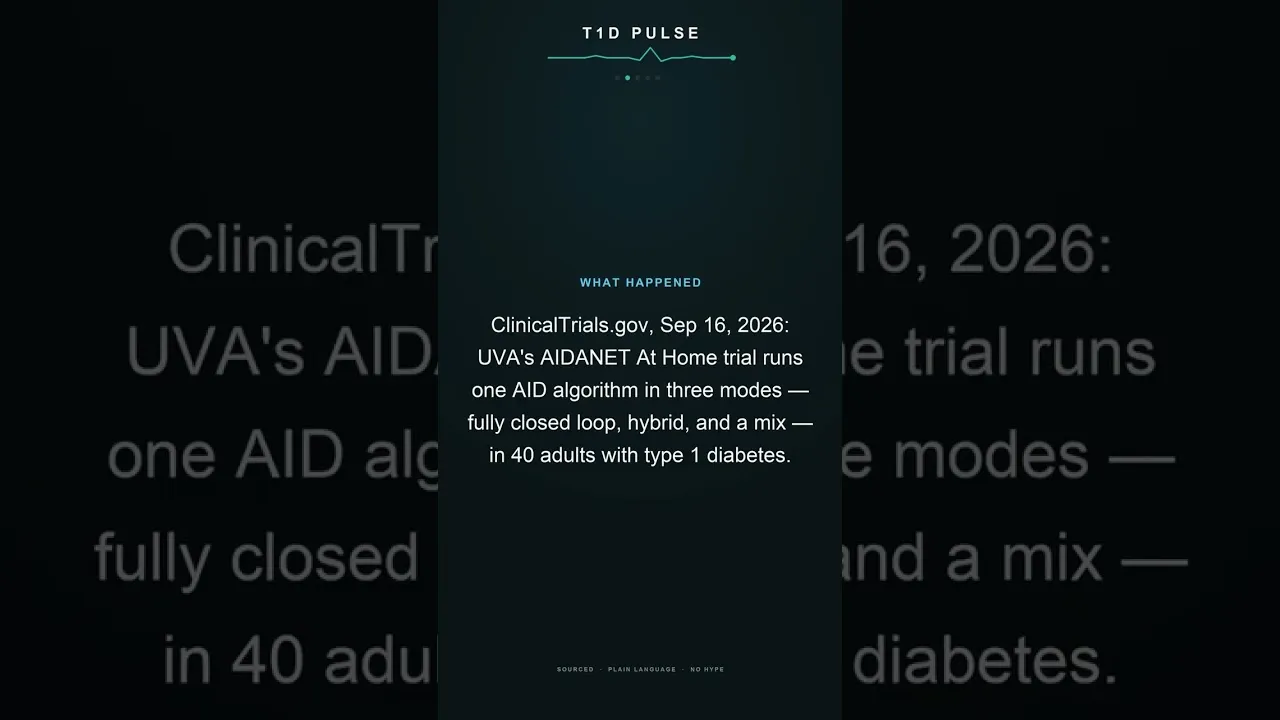
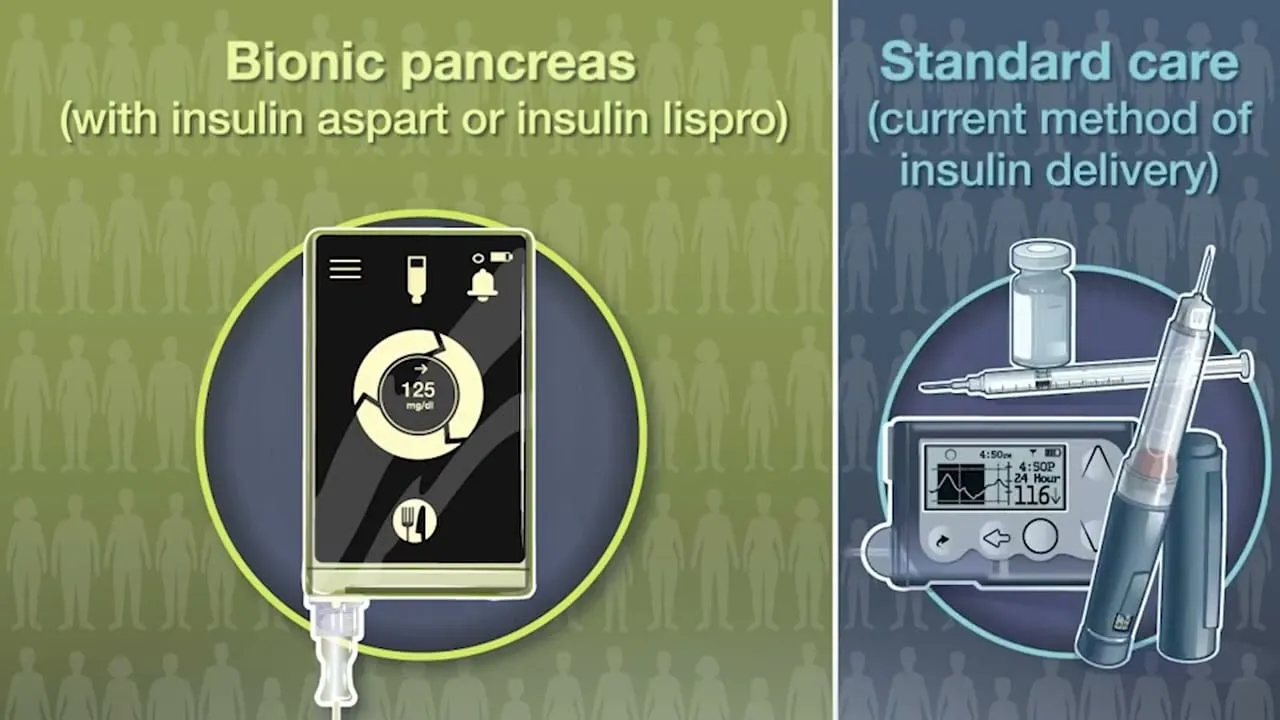
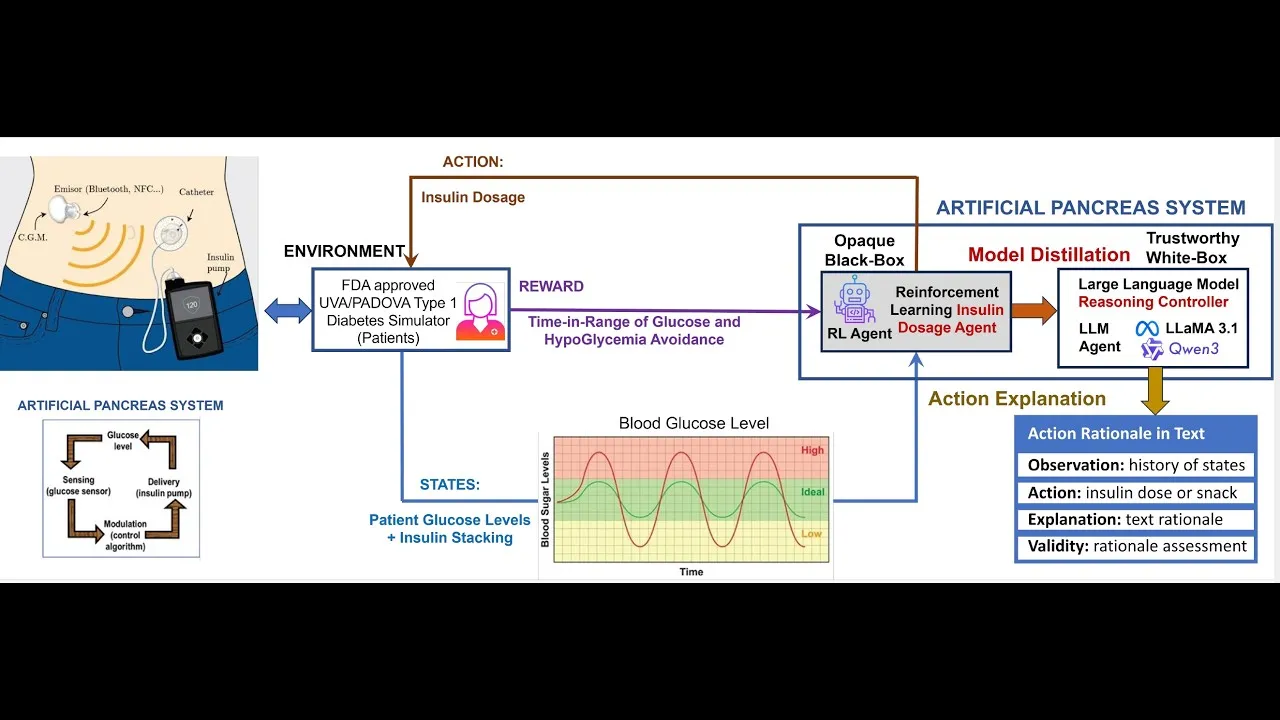
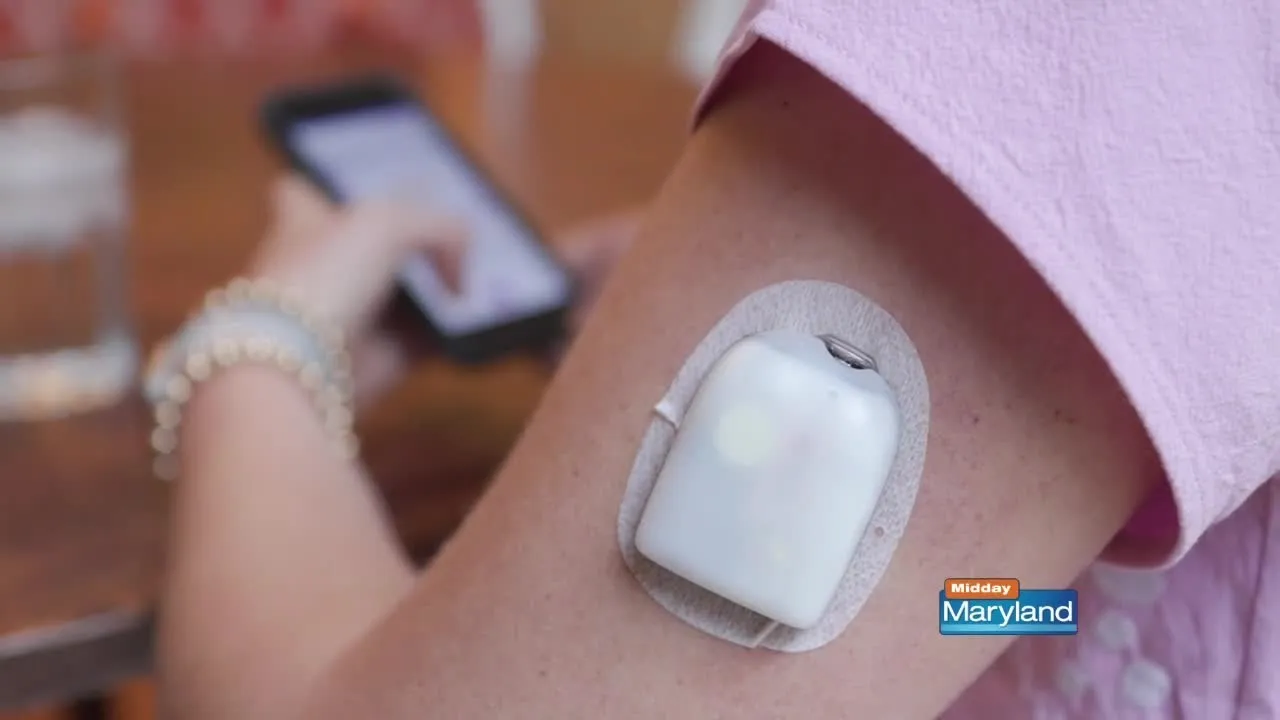
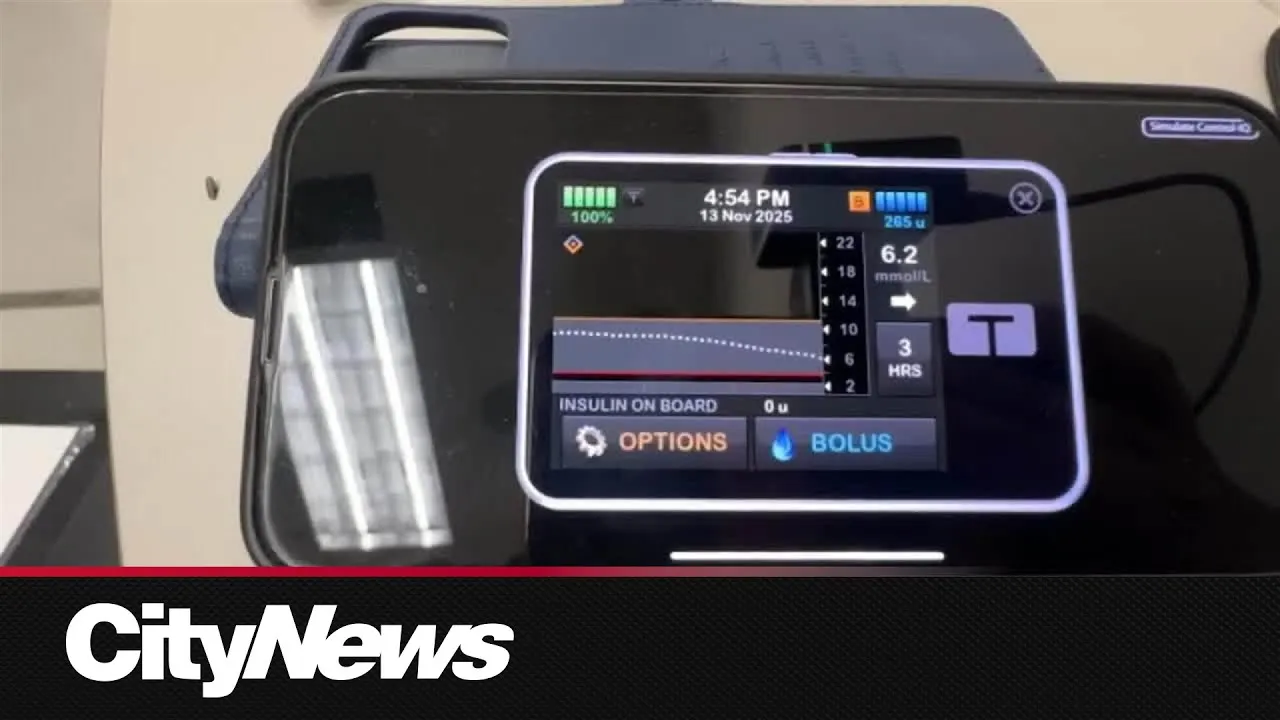
Advances in diabetes technologies are transforming the management of type 1 diabetes. But what's next for automated insulin delivery systems?
The lived reality of Type 1 diabetes: management technology, mental health, quality of life, and family support, grounded in current research.

Advances in diabetes technologies are transforming the management of type 1 diabetes. But what's next for automated insulin delivery systems?

A recent study published in BMC Endocrine Disorders explores the long-term impact of virtual care on young adults with type 1 diabetes, showing promising results for glycemic control and quality of life.

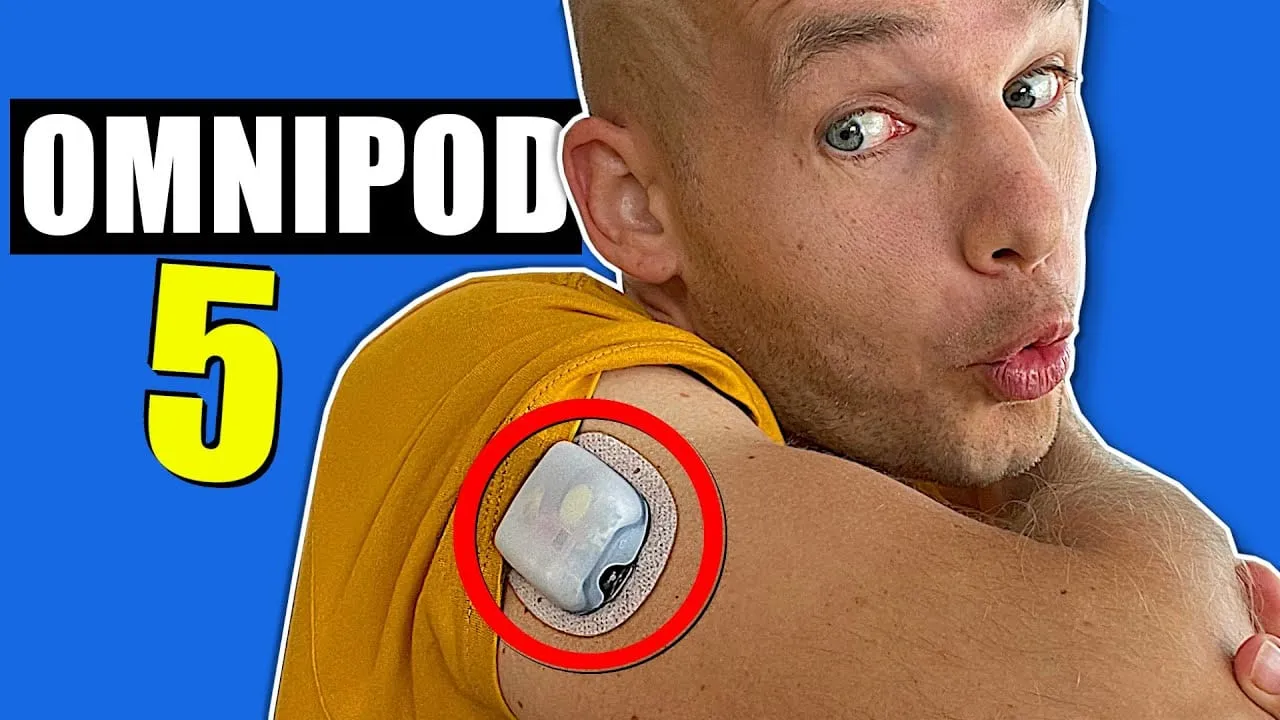
A recent study analyzed real-world data from over 176,000 Type 1 diabetes users to identify settings and behaviors associated with achieving optimal glycemic outcomes with the Omnipod 5 Automated Insulin Delivery System.

A new study finds that using automated insulin delivery systems can lead to better blood sugar control in young children with type 1 diabetes.

A recent study found that temporarily suspending prior authorization requirements for diabetes technology improved access and glycemic control in an underserved population.

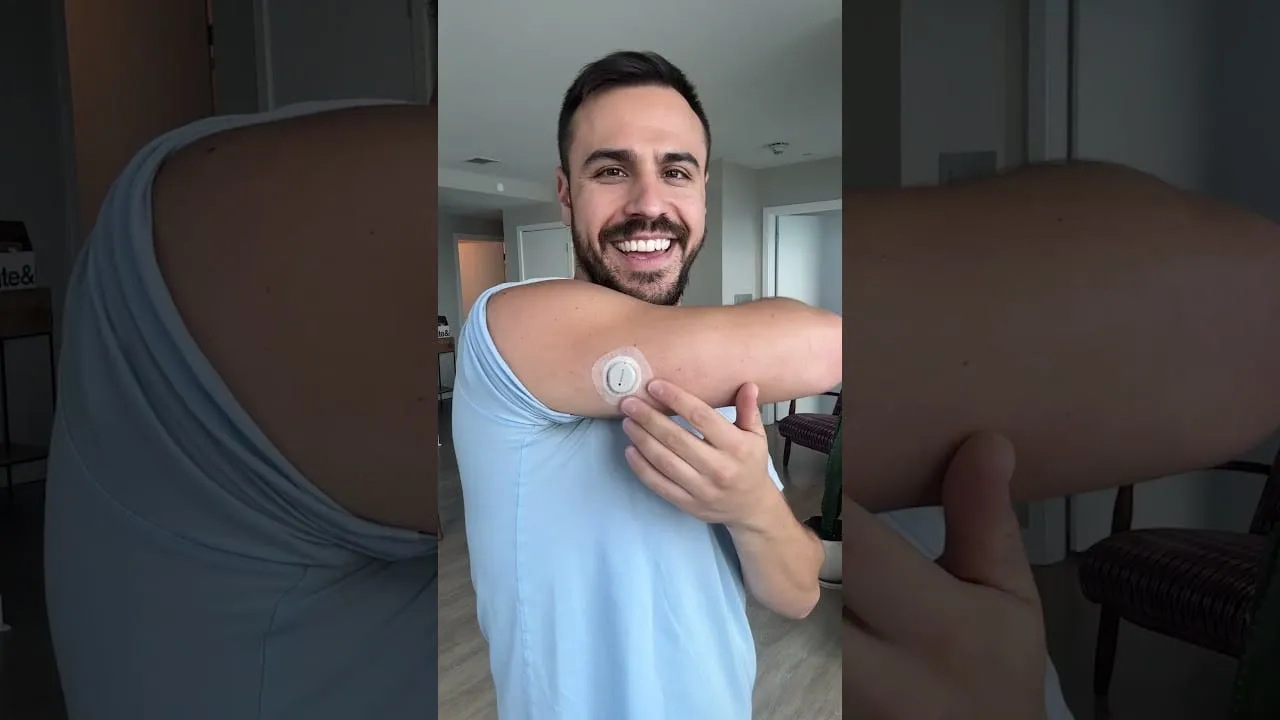
A recent study found that using continuous glucose monitors (CGMs) may reduce mortality rates among older adults with Type 1 diabetes.

Researchers analyzed data from a trial of the Resilient, Empowered, Active Living-Telehealth (REAL-T) intervention to identify factors associated with improved glucose control and quality of life.

A recent review of 23 studies shows that gamified interventions can improve glycemic control and self-management in kids with T1D.

A new study examines the use of automated insulin delivery systems in pregnant women with type 1 diabetes, finding that glucose control remains stable during labor and delivery.

A new study reveals a strong link between eHealth literacy and self-care in adolescents with type 1 diabetes.

New research reveals a strong link between continuous glucose monitoring metrics and the risk of severe hypoglycemia in people with Type 1 diabetes.

A recent study shows that regular phone check-ins with diabetes educators can lead to better blood sugar control and improved quality of life for kids with type 1 diabetes.

A recent study published in Diabetology & Metabolic Syndrome explores the effectiveness and patient experience of a novel two-in-one insulin pump in Chinese adults living with type 1 diabetes.

A new study highlights the importance of spiritual care in managing type 1 diabetes among Latinx youth and their caregivers.

A recent study found that exposure to blue light before sleep can have negative effects on blood sugar levels and mental well-being in people with type 1 diabetes.
New research reveals how dysfunctional thinking patterns can contribute to emotional struggles in people with Type 1 diabetes.

A recent study suggests that eating oat flakes daily may have a positive effect on blood sugar control, cholesterol levels, and pancreatic health in adolescents with type 1 diabetes.

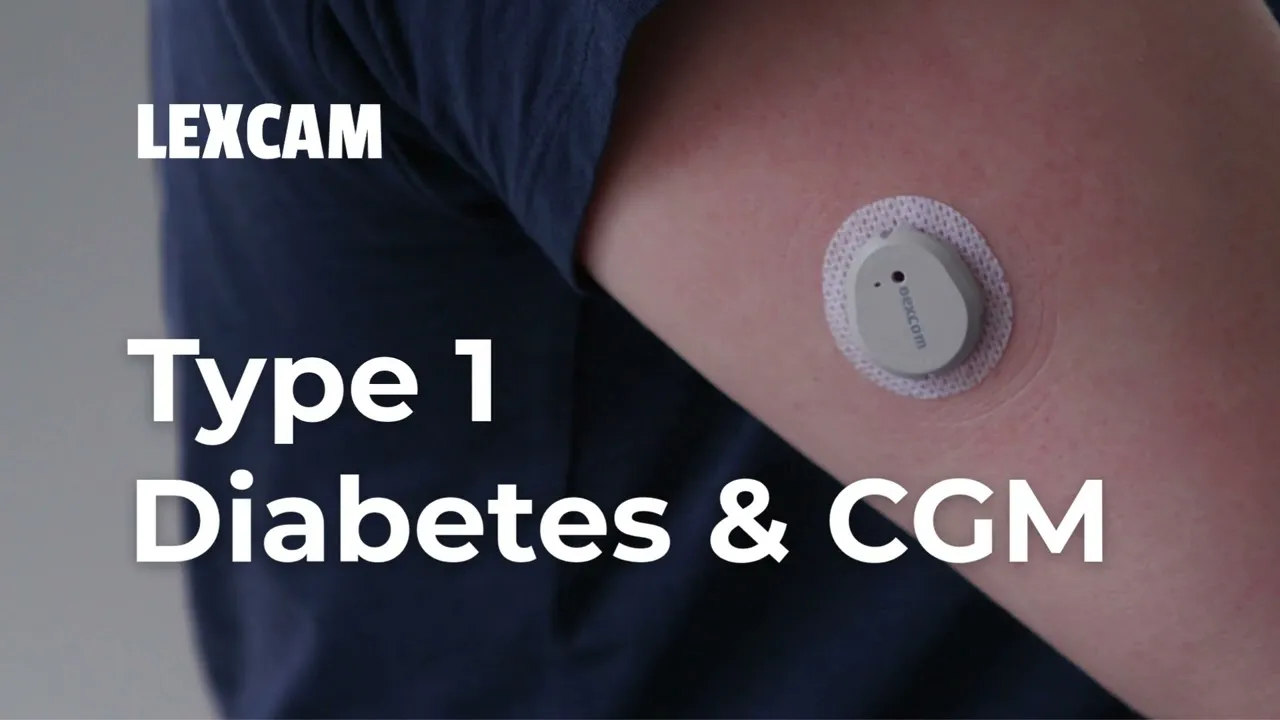
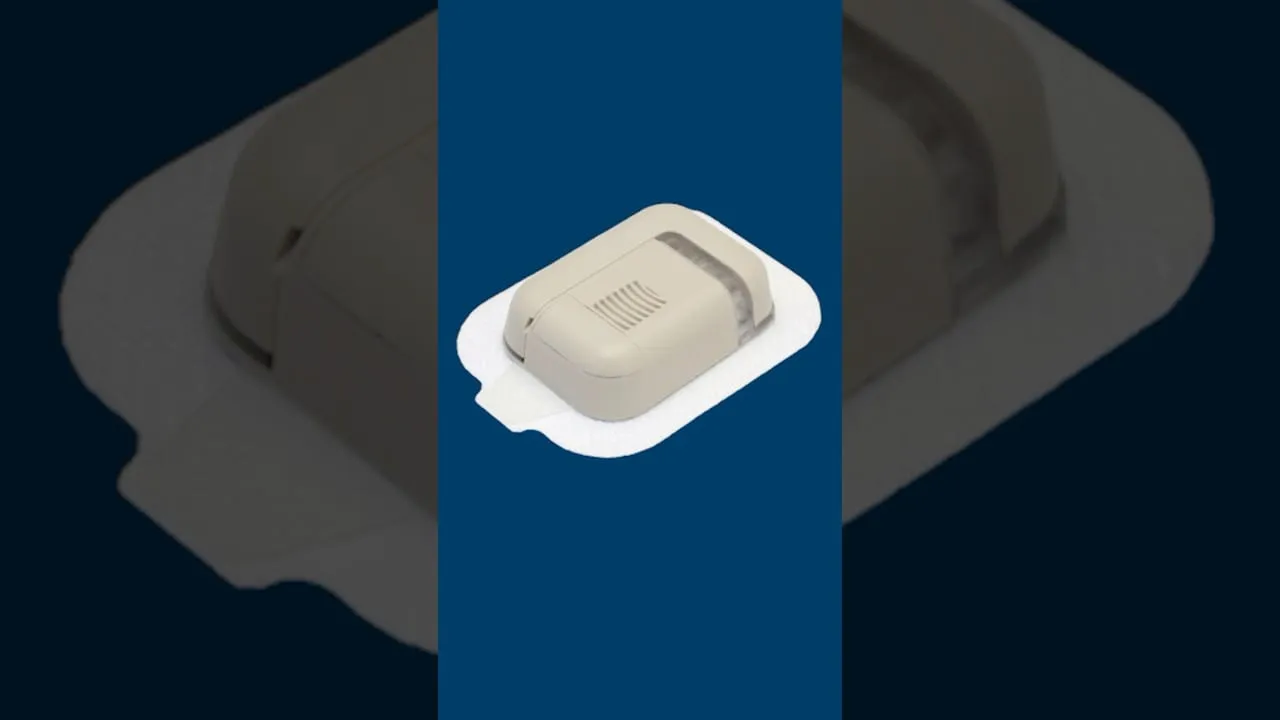
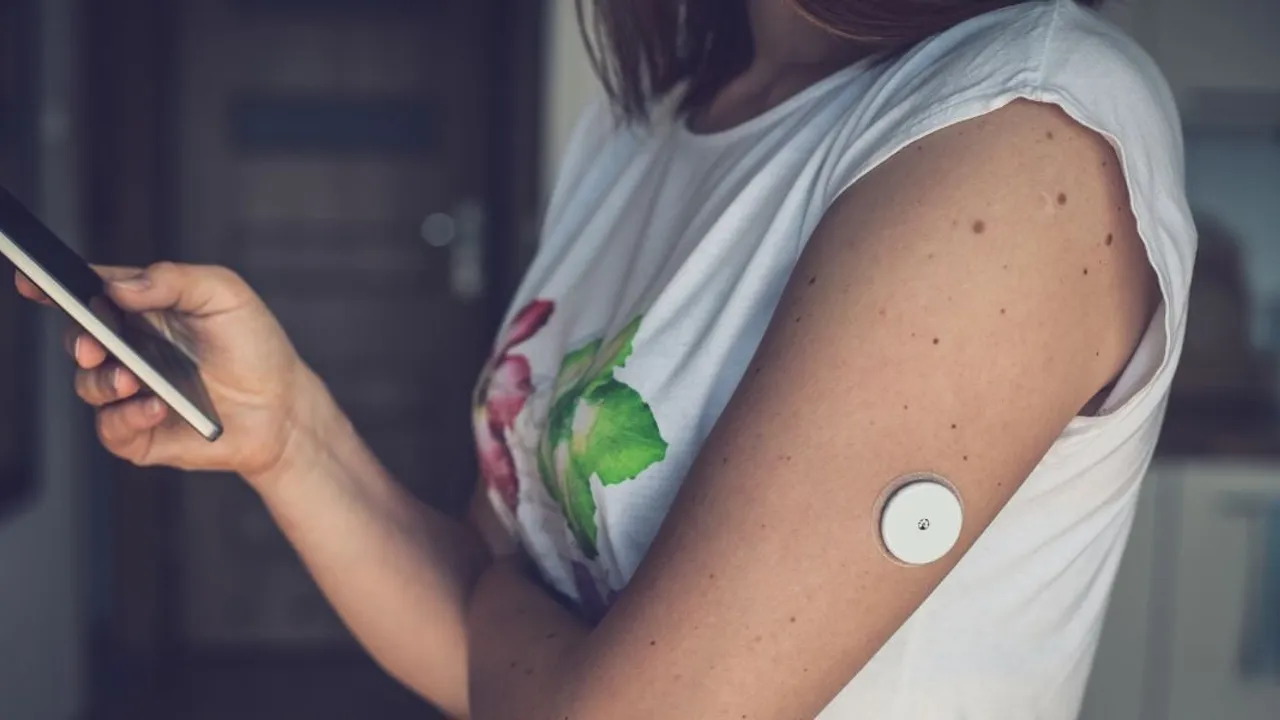
A recent review of continuous glucose monitoring (CGM) studies shows that this technology can help people with Type 1 diabetes achieve better blood sugar control, reduce hypoglycemia events, and lower healthcare costs.

A randomized controlled trial aims to evaluate the effectiveness of a novel program in reducing eating disorder risk factors and symptoms among young women with type 1 diabetes.

A pilot study shows promising results for a psychological intervention that reduces diabetes distress in young adults with type 1 diabetes.

A new study explores the experiences of young people using the 'Lift: Thriving with Diabetes' app to manage emotional well-being alongside their type 1 diabetes.

A rare kidney infection can be life-threatening. Learn about the risk factors and treatment options for children.

A new program helps adults with type 1 diabetes and problematic hypoglycemia by addressing cognitive and motivational barriers to avoiding low blood sugar.

Youth with Type 1 diabetes are at higher risk for mental health issues. Integrating behavioral health into care can improve outcomes.

New study explores the effectiveness of a mobile app providing peer-led mental health support for adults with type 1 diabetes.

A new approach to addressing the mental health needs of children and adolescents with chronic conditions like Type 1 diabetes.

A new review highlights the emotional challenges faced by individuals and families when type 1 diabetes is detected early. Effective communication and support can make a big difference.