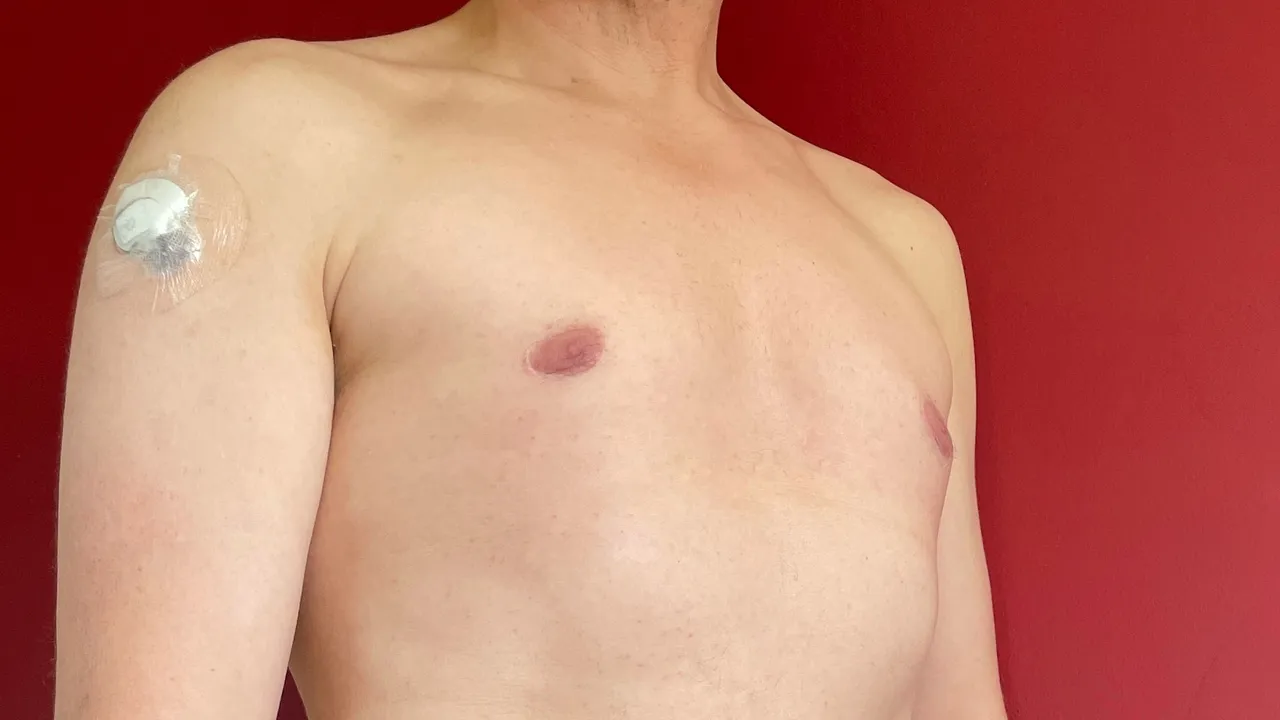
Automated Insulin Delivery Works Well for People New to Pump Therapy
A new study shows that starting automated insulin delivery shortly after beginning insulin pump therapy can significantly improve blood sugar control. The improvement came without serious safety concerns, though quality of life measures didn't change.
Evidence label explains the kind of source behind this article (for example peer-reviewed literature vs community video). It is not medical advice.
Key takeaways
- Automated insulin delivery (AID) systems effectively lowered blood sugar levels within 6 months, even in people who had never used a pump before
- Average HbA1c dropped by 0.6%, and the system reduced both high blood sugar episodes and time spent in very low blood sugar ranges
- Only minor adverse events occurred—2 cases of non-severe ketosis and 2 local skin reactions—indicating the approach is safe
- While blood sugar control improved measurably, participants reported no change in their quality of life scores during the study period
What This Study Looked At
Researchers wanted to know whether automated insulin delivery systems work well for people with Type 1 diabetes who are new to insulin pump therapy. Previous studies had mostly included people with longer pump experience, so this gap in the evidence needed filling. The team followed 6 months of real-world results from people who had Type 1 diabetes for at least a year but had never used an insulin pump for more than 6 months before switching to an AID system.
Blood Sugar Control Improved Across the Board
The results showed meaningful improvements in blood sugar management. On average, HbA1c—the 3-month blood sugar average—dropped by 0.6%. More specifically, the system reduced the percentage of time people spent with very high blood sugar (above 250 mg/dL) by about 6%, and extremely high blood sugar (above 180 mg/dL) by about 15%. These improvements happened because the automated system continuously adjusted insulin delivery based on sensor readings.
The study also tracked time spent in dangerous low blood sugar ranges. Time below 70 mg/dL decreased by about 1.5%, and time below 54 mg/dL—a more serious low—decreased by 0.6%. Overall, average sensor glucose readings dropped by about 20 mg/dL.
Safety and Reported Experience
Safety was generally strong. Over the 6-month period, only two participants experienced mild ketosis episodes, and two others had local skin reactions at insertion sites. Neither type of event was considered severe. No other serious adverse events were reported.
Interestingly, while blood sugar numbers improved significantly, participants' quality of life scores—measured through the INSPIRE questionnaire—remained unchanged during the study. This suggests that the blood sugar improvements hadn't yet translated into how people felt about their daily lives, at least within this 6-month timeframe.
What This Means
This study provides evidence that automated insulin delivery works effectively in people relatively new to pump therapy. It broadens the evidence base beyond what was previously known, showing that you don't need years of pump experience to benefit from an AID system. The strong safety profile and meaningful blood sugar improvements support this approach as a viable option for pump-therapy beginners.
At the same time, the unchanged quality of life scores remind us that better blood sugar numbers alone may not immediately change how people experience their diabetes day-to-day. People considering AID should talk with their diabetes care team about both the blood sugar benefits and what they personally hope to gain from the technology.
Evidence label
Source: Annales d'endocrinologie. Evidence type: PubMed indexed literature. Type1Cure is an information and intelligence hub, not a medical advice service. This article summarizes published research and does not provide diagnosis, treatment, or personal medical guidance. Always talk to your own care team before changing anything about your Type 1 diabetes management.
Type1Cure is an information and intelligence hub, not a medical advice service. This article summarizes published research and does not provide diagnosis, treatment, or personal medical guidance. Always talk to your own care team before changing anything about your Type 1 diabetes management.
Related reading
More evidence-labeled coverage across the Type1Cure library.
- Living With T1DWhat We're Learning About Diabetic Ketoacidosis in Type 1 Diabetes: A French StudyPubMed indexed literature
- Living With T1DCorrection to "The Use of an Automated Insulin Delivery System Is Associated With a Reduction in Diabetes Distress and Improvement in Quality of Life in People With Type 1 Diabetes".PubMed indexed literature
- Living With T1DA New Class of Biologics Could Change How We Treat Type 1 DiabetesPubMed indexed literature
- Living With T1DMenopause and Type 1 Diabetes: What Women Need to KnowPubMed indexed literature
- Living With T1DThe Promise and Challenge of Oral Insulin: Where the Research StandsPubMed indexed literature
- Living With T1DYour Glucose Range May Not Be the Guideline Range—And That's Worth UnderstandingPubMed indexed literature