Beta Bionics' Mint Pump: What We Know About This Tubeless Insulin Pump in Development
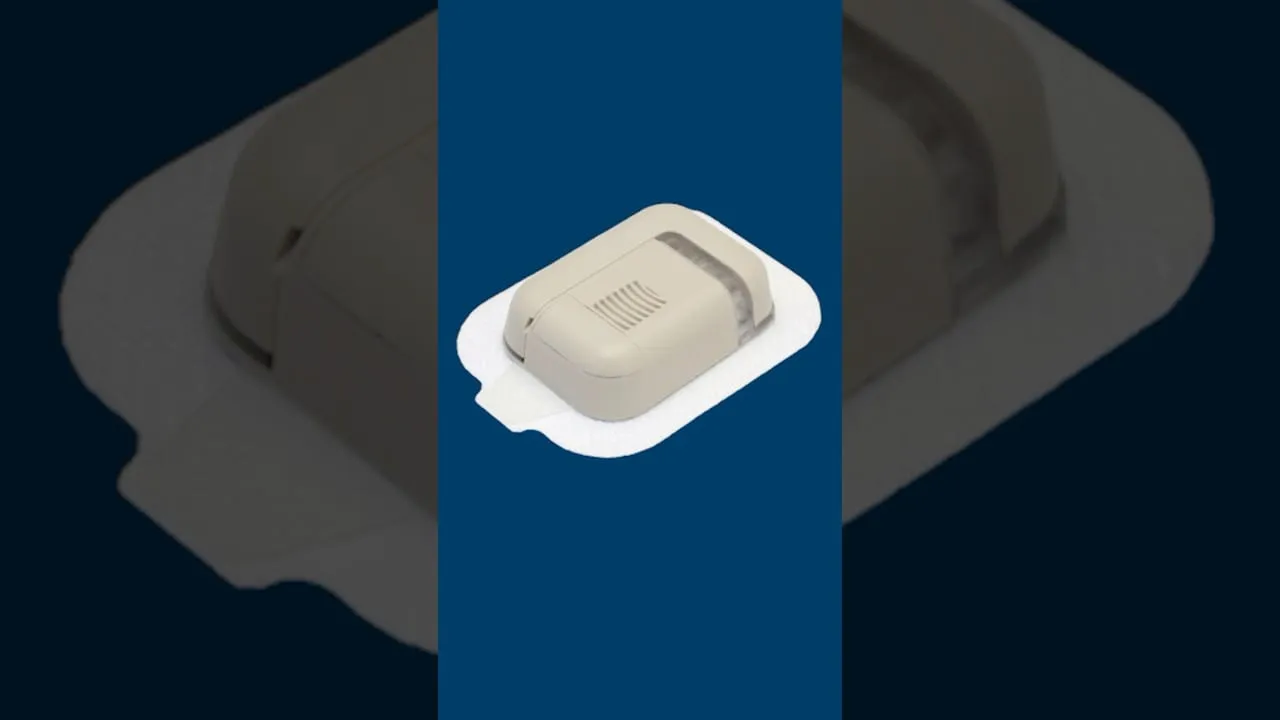
Beta Bionics has unveiled early designs for Mint, a tubeless insulin pump currently in development. Here's what the company has shared so far about its features and design.
Evidence label explains the kind of source behind this article (for example peer-reviewed literature vs community video). It is not medical advice.
Key takeaways
- Mint is a tubeless pump designed to last 3 days between changes, with a 12-hour grace period if you need extra time
- The pump uses a split design: a reusable 'brain' unit that lasts up to 2 years, and a disposable base that contains mechanics and battery
- After initial setup, the pump is designed to work automatically without needing to connect to a phone or CGM each time you change it
- You will still need your phone to deliver boluses (insulin doses for meals or corrections)
- This pump is still in development, so features may change before it becomes available
What Is Mint?
Mint stands for mini insulin therapy. It's a tubeless insulin pump that Beta Bionics, a medical device company, has been developing and recently showed to investors. The pump is designed to deliver insulin continuously under the skin and can run for 3 days before needing a change. If you need a few extra hours, it has a 12-hour grace period built in. The pump can hold up to 200 units of insulin.
A Two-Part Design
What makes Mint different from some existing pumps is how it's built. It has two pieces that work together. One piece—called the 'brains'—is a small L-shaped unit that you reuse. Beta Bionics says this part can be reused for up to 2 years. The other piece is the disposable base, which connects to the adhesive patch that sticks to your skin. This base contains much of the pump's mechanics and its battery.
Because the battery lives in the disposable part, you don't need to charge the pump. The reusable 'brains' get their power from the disposable base each time you put on a new one.
Simplified Setup
Beta Bionics says that after you set up Mint the first time, the pump is designed to start working automatically when you attach a new one. You won't need to connect it to your phone or your continuous glucose monitor (CGM) every time you change the pump—it will function on its own.
However, you will still need your phone to give yourself boluses, which are extra insulin doses for meals or to correct high blood sugar.
Still in Development
Mint is not yet available for patients. The designs shown so far are early versions, and Beta Bionics has indicated that some details—like certain slits in the design—will likely change before the pump reaches the market. As with any device in development, specifications and features may evolve as testing and refinement continue.
Evidence label
Source: YouTube community video. Evidence type: Community video — lay discussion, not peer-reviewed research. Type1Cure is an information and intelligence hub, not a medical advice service. This article summarizes published research and does not provide diagnosis, treatment, or personal medical guidance. Always talk to your own care team before changing anything about your Type 1 diabetes management.
Type1Cure is an information and intelligence hub, not a medical advice service. This article summarizes published research and does not provide diagnosis, treatment, or personal medical guidance. Always talk to your own care team before changing anything about your Type 1 diabetes management.
Related reading
More evidence-labeled coverage across the Type1Cure library.
- Living with T1DHow Insulin Pumps Work: Continuous Delivery for Better Blood Sugar ManagementCommunity video — lay discussion, not peer-reviewed research
- Living with T1DToward Smarter Insulin Pumps: Researchers Work to Predict, Not Just React to Blood Sugar ChangesCommunity video — lay discussion, not peer-reviewed research
- Living with T1DWhen Type 1 Is Mistaken for Type 2: One Person's Diagnostic JourneyCommunity video — lay discussion, not peer-reviewed research
- Living with T1DCould You Have Type 1 Instead of Type 2? What to KnowCommunity video — lay discussion, not peer-reviewed research
- Living with T1DWhat to Do When You Run Out of Insulin Between Pod ChangesCommunity video — lay discussion, not peer-reviewed research
- Living with T1DUnderstanding Insulin Pumps: How They Work and What to ExpectCommunity video — lay discussion, not peer-reviewed research