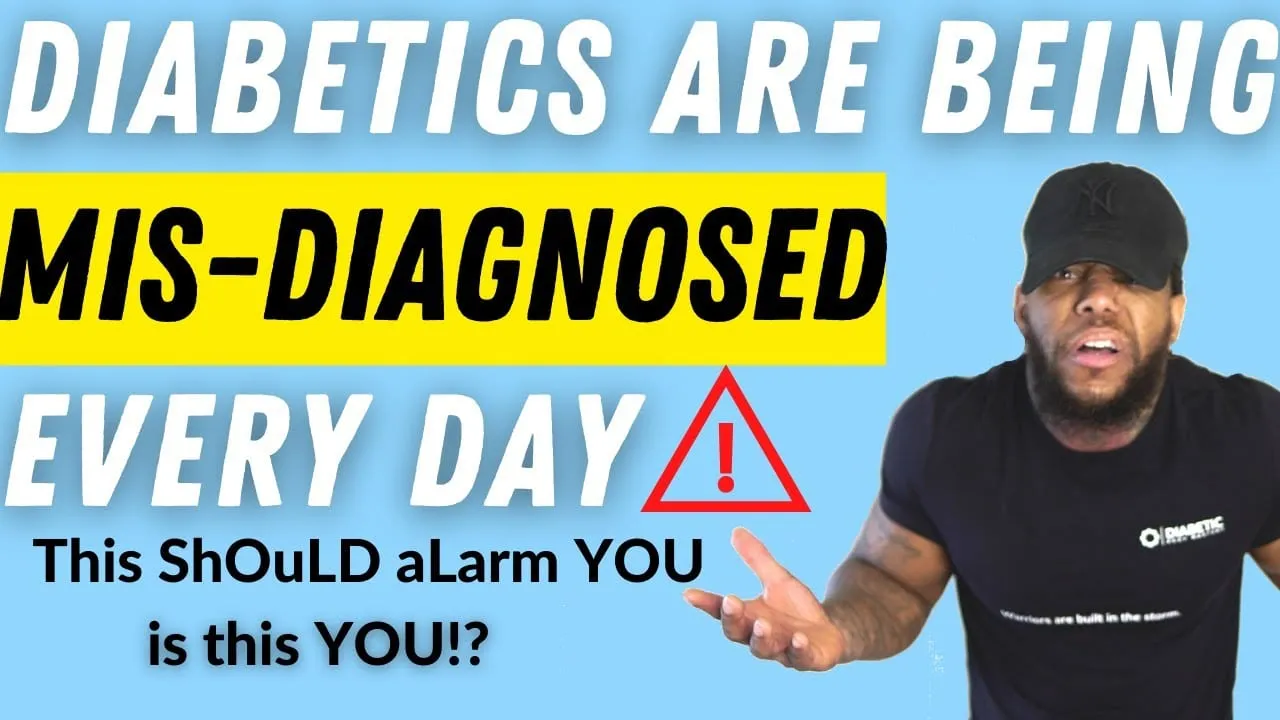
Could You Have Type 1 Instead of Type 2? What to Know
Some people are initially diagnosed with Type 2 diabetes when they actually have Type 1. Understanding the differences can help you get the right diagnosis and care plan.
Evidence label explains the kind of source behind this article (for example peer-reviewed literature vs community video). It is not medical advice.
Key takeaways
- Type 1 and Type 2 diabetes are different conditions that require different approaches to management.
- Type 2 diabetes involves insulin resistance, where the body produces insulin but cells don't respond to it effectively.
- Type 1 diabetes is an autoimmune condition where the body's immune system attacks insulin-producing cells.
- If you suspect your diagnosis may be incorrect, ask your doctor about specific blood tests that can clarify which type you have.
Type 1 vs. Type 2: Key Differences
Type 1 and Type 2 diabetes are distinct conditions, though they both affect blood sugar control. Understanding how they differ can help you recognize whether your diagnosis feels right for your situation.
Type 2 diabetes happens when the body produces insulin but the cells don't respond well to it—a situation called insulin resistance. Over time, the pancreas may struggle to keep up with demand.
Type 1 diabetes works differently. It's an autoimmune condition, meaning the immune system mistakenly attacks the insulin-producing cells in the pancreas. This leads to little or no insulin production from the start.
When a Diagnosis Might Need a Second Look
Misdiagnosis can happen. Some people initially diagnosed with Type 2 diabetes later learn they have Type 1. If your diagnosis doesn't feel like it fits your situation—for example, if you're young, lean, or don't have a family history of Type 2—it's worth asking your doctor about confirming tests.
Blood tests can help clarify which type you have. Your doctor can check for autoantibodies (immune markers) and measure C-peptide levels (which reflect how much insulin your body is still making). These tests provide concrete information to guide your care plan.
Next Steps
If you have questions about your diagnosis, schedule a conversation with your healthcare team. Bring specific observations about how your body responds to food, medication, and activity. The more detail you provide, the better your doctor can assess whether further testing makes sense.
Getting the right diagnosis matters because Type 1 and Type 2 are managed differently. With clarity, you can work toward a care plan that actually fits your needs.
Evidence label
Source: YouTube community video. Evidence type: Community video — lay discussion, not peer-reviewed research. Type1Cure is an information and intelligence hub, not a medical advice service. This article summarizes published research and does not provide diagnosis, treatment, or personal medical guidance. Always talk to your own care team before changing anything about your Type 1 diabetes management.
Type1Cure is an information and intelligence hub, not a medical advice service. This article summarizes published research and does not provide diagnosis, treatment, or personal medical guidance. Always talk to your own care team before changing anything about your Type 1 diabetes management.
Related reading
More evidence-labeled coverage across the Type1Cure library.
- Living with T1DHow Insulin Pumps Work: Continuous Delivery for Better Blood Sugar ManagementCommunity video — lay discussion, not peer-reviewed research
- Living with T1DToward Smarter Insulin Pumps: Researchers Work to Predict, Not Just React to Blood Sugar ChangesCommunity video — lay discussion, not peer-reviewed research
- Living with T1DWhen Type 1 Is Mistaken for Type 2: One Person's Diagnostic JourneyCommunity video — lay discussion, not peer-reviewed research
- Living with T1DWhat to Do When You Run Out of Insulin Between Pod ChangesCommunity video — lay discussion, not peer-reviewed research
- Living with T1DBeta Bionics' Mint Pump: What We Know About This Tubeless Insulin Pump in DevelopmentCommunity video — lay discussion, not peer-reviewed research
- Living with T1DUnderstanding Insulin Pumps: How They Work and What to ExpectCommunity video — lay discussion, not peer-reviewed research