Toward Smarter Insulin Pumps: Researchers Work to Predict, Not Just React to Blood Sugar Changes
A team at the University of Colorado Boulder is developing algorithms that could help bionic pancreas devices anticipate blood sugar changes rather than simply respond to them. The goal: give people with Type 1 diabetes more freedom and less constant monitoring.
Evidence label explains the kind of source behind this article (for example peer-reviewed literature vs community video). It is not medical advice.
Key takeaways
- Current bionic pancreas systems monitor blood glucose and adjust insulin delivery based on real-time levels, but they react after changes occur.
- Researchers are working on algorithms that could predict blood sugar changes by looking beyond glucose numbers—including location, calendar events, and social context.
- This predictive approach could reduce the mental and physical burden of constant glucose management for people using insulin pumps.
- The technology is still in development; this represents research progress, not a finished product.
How Today's Bionic Pancreas Works
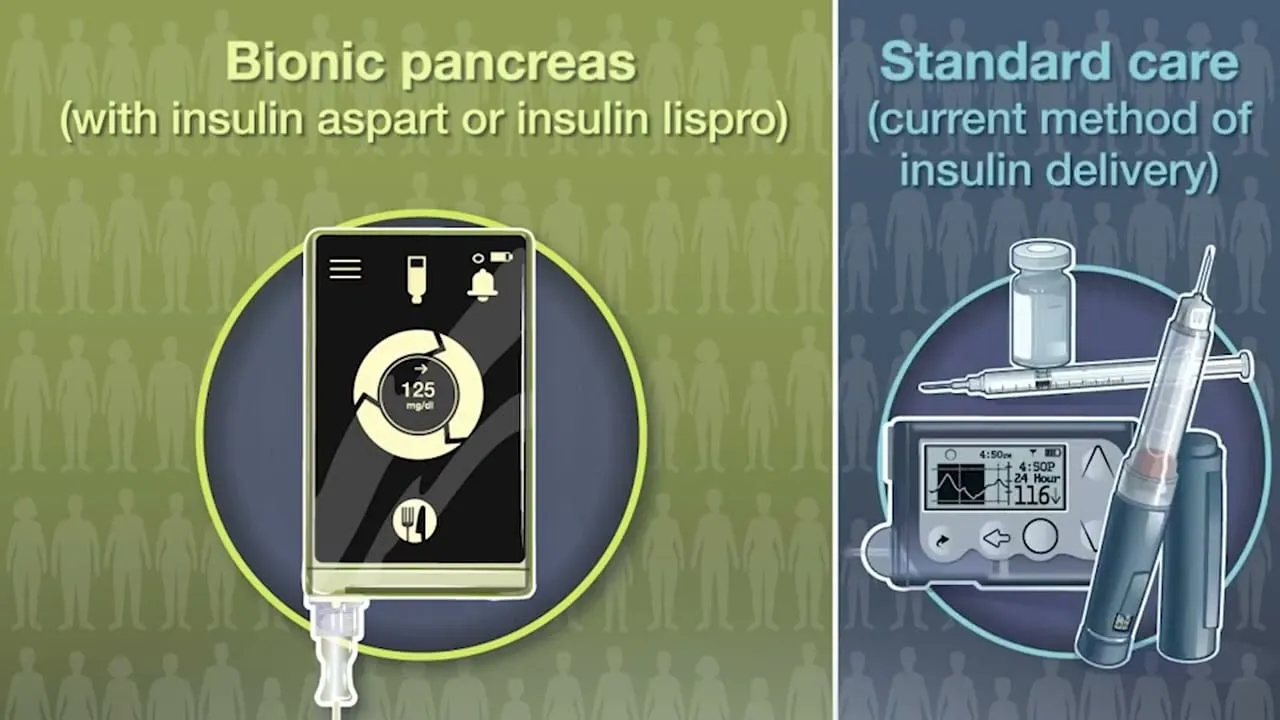
Many people with Type 1 diabetes now use bionic pancreas devices—small patches worn on the skin that monitor glucose levels continuously. When glucose rises or falls, the device automatically delivers more or less insulin to help maintain balance. However, these systems work in response to what is already happening: they measure your blood sugar right now and adjust your insulin accordingly.
Users must manually input the carbohydrates they consume, and their smartphone alerts them when glucose levels become too high or too low. While this is a major advance over multiple daily injections, it still requires people to think actively about their diabetes management throughout the day.
Looking Beyond the Number: A Predictive Approach
Researchers at the University of Colorado Boulder are exploring how to make insulin pumps smarter by predicting blood sugar changes before they happen. Instead of only looking at a single piece of information—your current glucose reading—the new algorithms would consider multiple factors: where you are, what's on your calendar, who you're with, and other contextual details about your day.
By understanding the bigger picture, the system could anticipate how your blood sugar will likely shift and adjust insulin delivery proactively, rather than waiting to react after levels have already changed.
Potential Impact on Daily Life
If successful, smarter algorithms could reduce the mental load of constant diabetes management. Rather than repeatedly monitoring glucose levels and calculating insulin doses throughout the day, a predictive system could handle more of that work automatically, allowing people to focus on their lives instead of their condition.
One person living with Type 1 diabetes and participating in this research described the current reality: constantly thinking about diabetes. A more intelligent bionic pancreas could change that experience, though this technology remains under development and is not yet available.
Evidence label
Source: YouTube community video. Evidence type: Community video — lay discussion, not peer-reviewed research. Type1Cure is an information and intelligence hub, not a medical advice service. This article summarizes published research and does not provide diagnosis, treatment, or personal medical guidance. Always talk to your own care team before changing anything about your Type 1 diabetes management.
Type1Cure is an information and intelligence hub, not a medical advice service. This article summarizes published research and does not provide diagnosis, treatment, or personal medical guidance. Always talk to your own care team before changing anything about your Type 1 diabetes management.
Related reading
More evidence-labeled coverage across the Type1Cure library.
- Living with T1DHow Insulin Pumps Work: Continuous Delivery for Better Blood Sugar ManagementCommunity video — lay discussion, not peer-reviewed research
- Living with T1DWhen Type 1 Is Mistaken for Type 2: One Person's Diagnostic JourneyCommunity video — lay discussion, not peer-reviewed research
- Living with T1DWhat to Do When You Run Out of Insulin Between Pod ChangesCommunity video — lay discussion, not peer-reviewed research
- Living with T1DBeta Bionics' Mint Pump: What We Know About This Tubeless Insulin Pump in DevelopmentCommunity video — lay discussion, not peer-reviewed research
- Living with T1DUnderstanding Insulin Pumps: How They Work and What to ExpectCommunity video — lay discussion, not peer-reviewed research
- Living with T1DWhat to Do When Your Insulin Pump ExpiresCommunity video — lay discussion, not peer-reviewed research