What to Do When Your Insulin Pump Expires
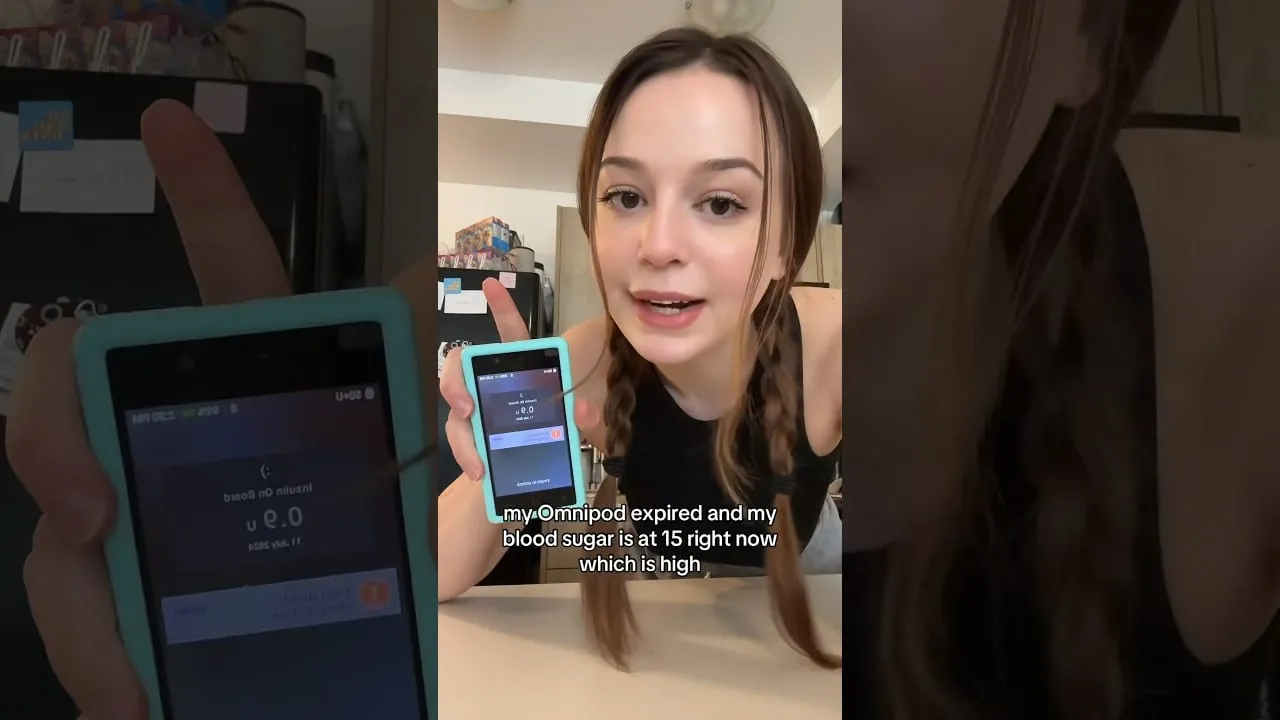
Insulin pumps like the OmniPod have expiration dates, and using an expired device can affect your blood sugar management. Here's what you need to know about replacing your pump.
Evidence label explains the kind of source behind this article (for example peer-reviewed literature vs community video). It is not medical advice.
Key takeaways
- Insulin pumps have expiration dates and should be replaced when they expire
- High blood sugar can result from using an expired pump
- Having a backup plan—like insulin from your fridge—helps bridge the gap when switching to a new pump
- Proper site preparation (like using alcohol swabs) is an important part of pump setup
Pumps Have Expiration Dates
If you use an insulin pump, it's important to know that your device has an expiration date. Once a pump expires, it may not function reliably, which can lead to gaps in insulin delivery and rising blood sugar levels. Keeping track of when your pump expires helps you avoid unexpected high blood sugar episodes.
What Happens When a Pump Expires
When an insulin pump reaches its expiration date, it's time to replace it with a new one. Continuing to use an expired pump puts you at risk for inconsistent insulin delivery. This is why it's crucial to have a plan in place well before your current pump expires—you'll want to have a new pump on hand or scheduled for delivery.
Having a Backup Plan Matters
If you're between pumps or waiting for a replacement, having backup insulin on hand—such as insulin stored in your refrigerator—can help bridge the gap. This way, if your pump expires before your new one arrives, you still have insulin available to manage your blood sugar while you complete the transition to your new device.
Proper Setup Makes a Difference
When you set up a new pump, following best practices like using alcohol swabs to clean the infusion site helps reduce the risk of infection and ensures better insulin absorption. Taking time to prepare the site correctly is part of setting yourself up for reliable pump performance.
Evidence label
Source: YouTube community video. Evidence type: Community video — lay discussion, not peer-reviewed research. Type1Cure is an information and intelligence hub, not a medical advice service. This article summarizes published research and does not provide diagnosis, treatment, or personal medical guidance. Always talk to your own care team before changing anything about your Type 1 diabetes management.
Type1Cure is an information and intelligence hub, not a medical advice service. This article summarizes published research and does not provide diagnosis, treatment, or personal medical guidance. Always talk to your own care team before changing anything about your Type 1 diabetes management.
Related reading
More evidence-labeled coverage across the Type1Cure library.
- Living with T1DHow Insulin Pumps Work: Continuous Delivery for Better Blood Sugar ManagementCommunity video — lay discussion, not peer-reviewed research
- Living with T1DToward Smarter Insulin Pumps: Researchers Work to Predict, Not Just React to Blood Sugar ChangesCommunity video — lay discussion, not peer-reviewed research
- Living with T1DWhen Type 1 Is Mistaken for Type 2: One Person's Diagnostic JourneyCommunity video — lay discussion, not peer-reviewed research
- Living with T1DCould You Have Type 1 Instead of Type 2? What to KnowCommunity video — lay discussion, not peer-reviewed research
- Living with T1DWhat to Do When You Run Out of Insulin Between Pod ChangesCommunity video — lay discussion, not peer-reviewed research
- Living with T1DBeta Bionics' Mint Pump: What We Know About This Tubeless Insulin Pump in DevelopmentCommunity video — lay discussion, not peer-reviewed research