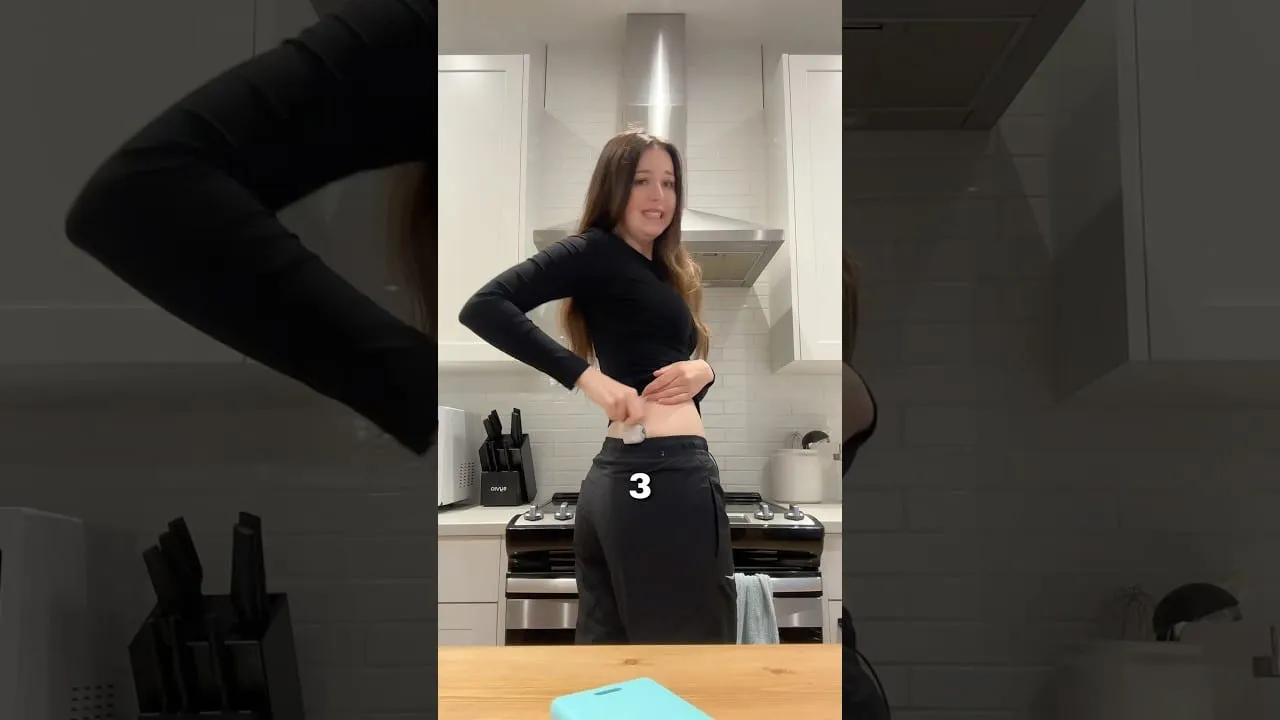
What to Do When You Run Out of Insulin Between Pod Changes
Running out of insulin before your insulin pump is due for a scheduled change can be stressful. Here's what you need to know about staying prepared and managing this common situation.
Evidence label explains the kind of source behind this article (for example peer-reviewed literature vs community video). It is not medical advice.
Key takeaways
- Keep track of your insulin supply and pod usage to avoid unexpected shortages
- High blood sugar readings can be a sign that your insulin delivery needs attention
- Having backup insulin vials on hand helps you stay protected if an early pod change is needed
- Know how to safely change your pod and start a new one if necessary
When Insulin Runs Low Before Your Pod Is Done
If you use an insulin pump like the Omnipod system, your device should alert you when insulin is running low. Some people may use more insulin than expected based on their initial pod setup, which can mean running out before the normal pod change time arrives.
When this happens, your pump may display a low-insulin warning. This is your signal to plan for an early pod change rather than risk missing doses of insulin.
Recognizing Other Signs Something Needs Attention
Beyond insulin supply warnings, your continuous glucose monitor (CGM) and blood sugar readings can give you important clues. Unexpectedly high blood sugar levels, especially on a morning when you'd normally expect them to be in range, might signal that your insulin delivery isn't working as it should.
If your CGM shows a solid number with a circle around it instead of trend arrows, that can also indicate a gap in data that may be worth investigating.
Getting Ready for an Early Pod Change
It's smart to keep extra insulin vials on hand so you're not caught off guard. Having backup insulin means you can complete a pod change safely without delays, even if you need to do it sooner than planned.
Knowing the steps to change your pod—from removing the old one to priming the new one and inserting it—helps you handle the process smoothly, whether the change is routine or unexpected.
Evidence label
Source: YouTube community video. Evidence type: Community video — lay discussion, not peer-reviewed research. Type1Cure is an information and intelligence hub, not a medical advice service. This article summarizes published research and does not provide diagnosis, treatment, or personal medical guidance. Always talk to your own care team before changing anything about your Type 1 diabetes management.
Type1Cure is an information and intelligence hub, not a medical advice service. This article summarizes published research and does not provide diagnosis, treatment, or personal medical guidance. Always talk to your own care team before changing anything about your Type 1 diabetes management.
Related reading
More evidence-labeled coverage across the Type1Cure library.
- Living with T1DHow Insulin Pumps Work: Continuous Delivery for Better Blood Sugar ManagementCommunity video — lay discussion, not peer-reviewed research
- Living with T1DToward Smarter Insulin Pumps: Researchers Work to Predict, Not Just React to Blood Sugar ChangesCommunity video — lay discussion, not peer-reviewed research
- Living with T1DWhen Type 1 Is Mistaken for Type 2: One Person's Diagnostic JourneyCommunity video — lay discussion, not peer-reviewed research
- Living with T1DCould You Have Type 1 Instead of Type 2? What to KnowCommunity video — lay discussion, not peer-reviewed research
- Living with T1DBeta Bionics' Mint Pump: What We Know About This Tubeless Insulin Pump in DevelopmentCommunity video — lay discussion, not peer-reviewed research
- Living with T1DUnderstanding Insulin Pumps: How They Work and What to ExpectCommunity video — lay discussion, not peer-reviewed research