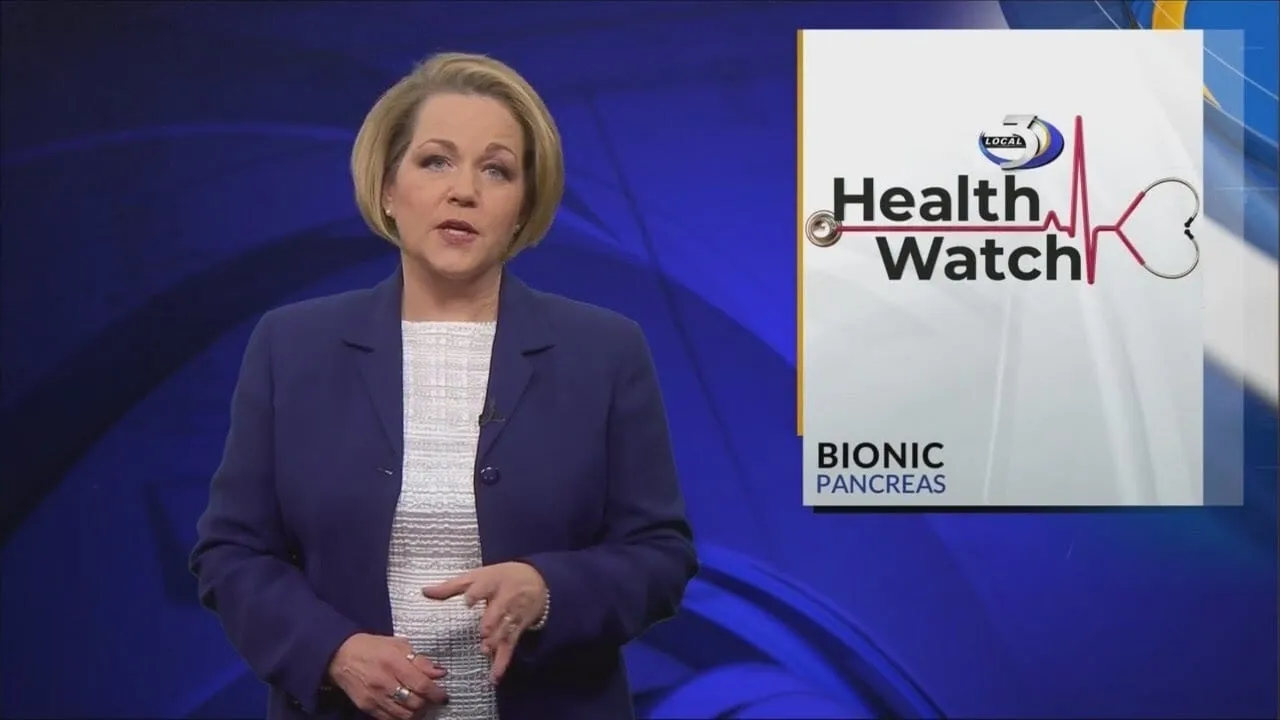
How the Bionic Pancreas is Changing Daily Life for Young People with Type 1 Diabetes
The FDA-approved bionic pancreas uses artificial intelligence to automate insulin dosing with just one simple meal entry per day. For teens like gymnast Mia Campos, it means less time managing diabetes and more time doing what she loves.
Key takeaways
- The bionic pancreas is an FDA-approved device that automatically calculates and delivers insulin based on meal size and individual glucose patterns.
- Users only need to enter one piece of information: the size of their next meal. The device's AI algorithm handles the rest.
- The device is approved for children ages six and up and attaches to the body like a traditional insulin pump.
- For some young people, the automation reduces the daily burden of diabetes management, freeing up mental and physical energy for school, sports, and other activities.
- The bionic pancreas learns an individual's unique insulin needs throughout the day and adjusts delivery accordingly.
What Is the Bionic Pancreas?
The bionic pancreas is a wearable device that uses artificial intelligence to automatically manage insulin delivery for people with Type 1 diabetes. Rather than requiring users to manually calculate carbohydrate intake and program insulin doses throughout the day, the device streamlines the process to a single, simple step: telling it the size of your next meal.
Once you enter that information, the device's AI algorithm takes over. It calculates the precise amount of insulin you need based on your meal size and your individual glucose patterns, then delivers it automatically. This means less mental math, fewer decisions to make, and less room for programming errors.
How Does It Learn Your Needs?
The bionic pancreas contains three algorithms that work together to understand your unique insulin requirements. During the first four days after starting the device, it runs in a conservative mode, learning your baseline insulin needs and your body's response patterns.
After that initial learning period, the device continues to adapt. It recognizes your biorhythms—the different amounts of insulin your body needs at different times of day. This personalized approach means the device becomes more accurate the longer you use it, tailoring its dosing to fit your individual metabolism.
Real Life with the Bionic Pancreas
For 15-year-old Mia Campos, a skilled gymnast, the bionic pancreas has meant a significant shift in daily life. When she was diagnosed with Type 1 diabetes five years ago during a gymnastics competition, she was fitted with a traditional insulin pump. That device required constant programming and monitoring, and like many insulin pumps, it occasionally had glitches.
After her pediatric endocrinologist recommended the bionic pancreas, Mia switched to the new device. Now, instead of spending her time calculating carbohydrates and programming insulin doses, she can focus on her homework, her gymnastics training, and being a teenager. The device clips to her body and does the complex calculations automatically.
Who Can Use It?
The bionic pancreas is FDA-approved for children ages six and up, making it an option for families managing Type 1 diabetes across a wide age range. The device's simplified approach to diabetes management can reduce the daily burden on both young people with diabetes and their parents or caregivers.
Evidence label
Source: YouTube community video. Evidence type: Community video — lay discussion, not peer-reviewed research. Type1Cure is an information and intelligence hub, not a medical advice service. This article summarizes published research and does not provide diagnosis, treatment, or personal medical guidance. Always talk to your own care team before changing anything about your Type 1 diabetes management.
Type1Cure is an information and intelligence hub, not a medical advice service. This article summarizes published research and does not provide diagnosis, treatment, or personal medical guidance. Always talk to your own care team before changing anything about your Type 1 diabetes management.
Related reading
More evidence-labeled coverage across the Type1Cure library.
- Living with T1DCould You Have Type 1 Instead of Type 2? What to Know
- Living with T1DMaking the Bionic Pancreas Smarter: How Researchers Are Adding Prediction to Blood Sugar Management
- Living with T1DToward Smarter Insulin Pumps: Researchers Work to Predict, Not Just React to Blood Sugar Changes
- Living with T1DOne Woman's Journey Through Diabetes Misdiagnosis
- Living with T1DWhen Type 1 Is Mistaken for Type 2: One Person's Diagnostic Journey
- Living with T1DLADA: Why Type 1 Diabetes in Adults Often Goes Undiagnosed