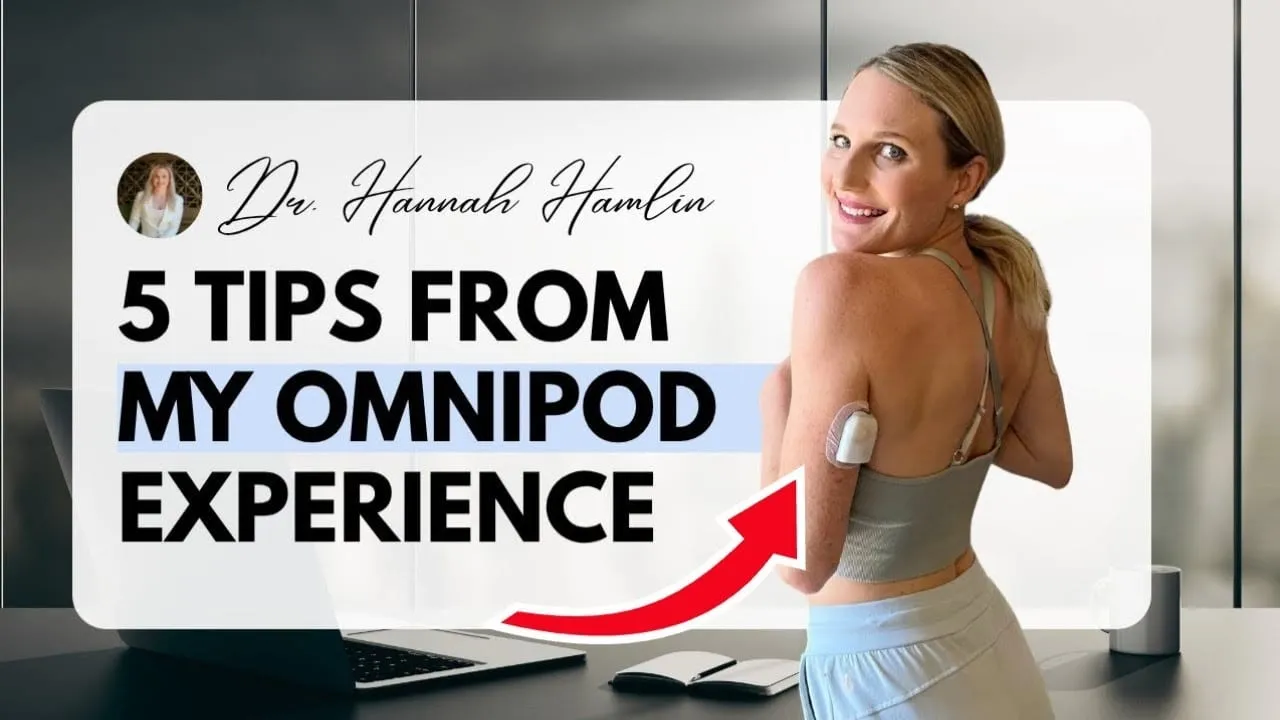
What I Learned Using Omnipod 5: A Patient's Perspective
A healthcare provider with Type 1 diabetes shares practical insights from her experience with the Omnipod 5 automated insulin delivery system, including what the algorithm handles well and where manual management still matters.
Evidence label explains the kind of source behind this article (for example peer-reviewed literature vs community video). It is not medical advice.
Key takeaways
- Omnipod 5's algorithm excels at adjusting basal insulin rates and reducing blood sugar swings, but you still need to pre-bolus before meals
- Timing your pre-bolus correctly—giving insulin before eating rather than at the same time—helps prevent post-meal blood sugar spikes
- The system is a tool that works best when you understand both what it automates and what requires your active input
- Sleep and other lifestyle factors remain important parts of managing Type 1 diabetes, even with an automated system
Understanding What the Algorithm Can and Cannot Do
When using Omnipod 5, it's important to understand the system's actual capabilities. The algorithm is skilled at regulating basal insulin rates—the steady background insulin your body needs throughout the day—and can help reduce the wide swings in blood sugar levels that many people with Type 1 diabetes experience.
However, the system is not fully automatic for mealtime insulin. You still need to tell the pod that you're about to eat and give yourself a bolus of insulin before or as you start your meal. This pre-bolusing step remains a critical part of managing your blood sugar with this technology.
Why Pre-Bolusing Timing Matters
One of the most important lessons from using Omnipod 5 is getting the timing of your pre-bolus right. If you take your insulin at the same time you eat—rather than giving the insulin a few minutes to begin working first—your body may digest carbohydrates faster than your insulin can act, leading to a spike in blood glucose.
Pre-bolusing means injecting your mealtime insulin before you eat, giving it time to work before the carbohydrates from your meal hit your bloodstream. This timing difference can make a noticeable impact on how well you manage post-meal blood sugar levels, whether you're using Omnipod 5 or manual injections.
Beyond the Algorithm: Lifestyle Still Matters
An automated insulin delivery system is one tool in diabetes management, but it works best alongside other self-care practices. Sleep quality, nutrition choices, and physical activity all play important roles in how well your blood sugar stays in range—even with an advanced pump system handling your basal insulin.
Evidence label
Source: YouTube community video. Evidence type: Community video — lay discussion, not peer-reviewed research. Type1Cure is an information and intelligence hub, not a medical advice service. This article summarizes published research and does not provide diagnosis, treatment, or personal medical guidance. Always talk to your own care team before changing anything about your Type 1 diabetes management.
Type1Cure is an information and intelligence hub, not a medical advice service. This article summarizes published research and does not provide diagnosis, treatment, or personal medical guidance. Always talk to your own care team before changing anything about your Type 1 diabetes management.
Related reading
More evidence-labeled coverage across the Type1Cure library.
- Living with T1DHow Insulin Pumps Work: Continuous Delivery for Better Blood Sugar ManagementCommunity video — lay discussion, not peer-reviewed research
- Living with T1DToward Smarter Insulin Pumps: Researchers Work to Predict, Not Just React to Blood Sugar ChangesCommunity video — lay discussion, not peer-reviewed research
- Living with T1DWhen Type 1 Is Mistaken for Type 2: One Person's Diagnostic JourneyCommunity video — lay discussion, not peer-reviewed research
- Living with T1DCould You Have Type 1 Instead of Type 2? What to KnowCommunity video — lay discussion, not peer-reviewed research
- Living with T1DWhat to Do When You Run Out of Insulin Between Pod ChangesCommunity video — lay discussion, not peer-reviewed research
- Living with T1DBeta Bionics' Mint Pump: What We Know About This Tubeless Insulin Pump in DevelopmentCommunity video — lay discussion, not peer-reviewed research