Type 1 Diabetes and Physical Activity: Breaking Down the Barriers
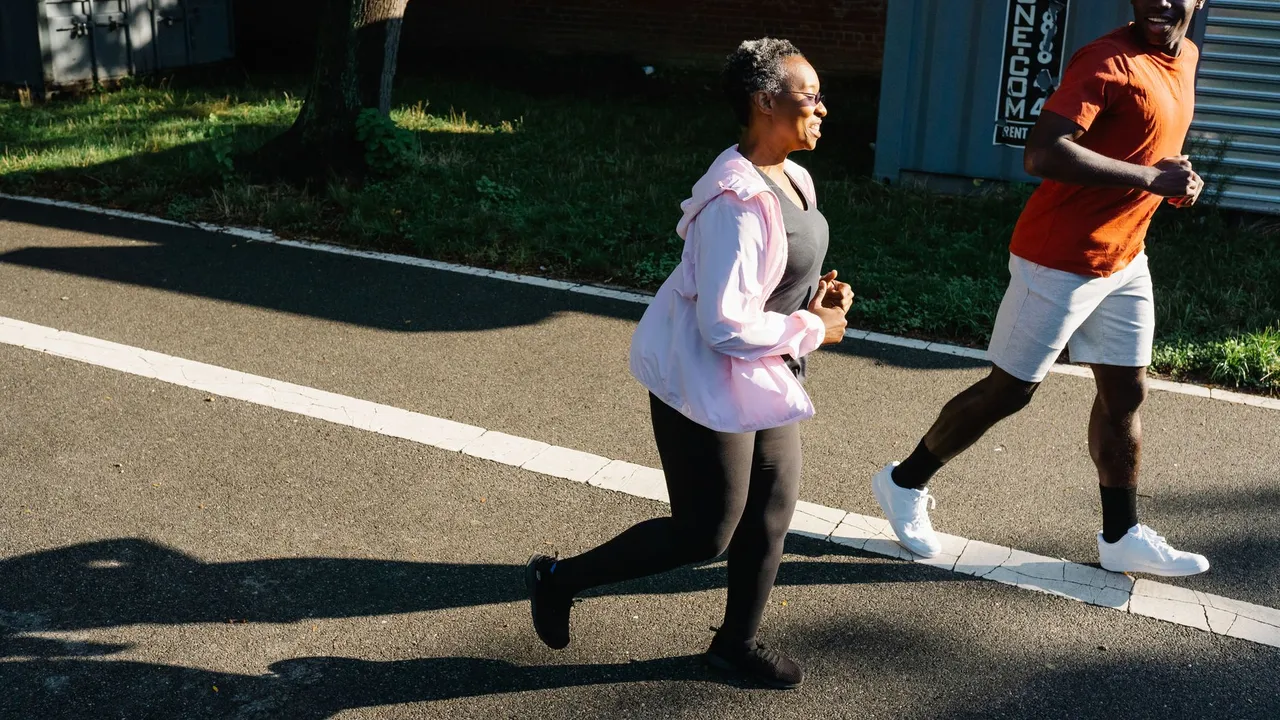
A recent study in the UK sheds light on the challenges faced by people with type 1 diabetes when it comes to physical activity, highlighting areas where support is needed.
Research on the daily levers around Type 1 diabetes: exercise, sleep, stress, and routines, with honest evidence labels on what is well supported versus emerging.

A recent study in the UK sheds light on the challenges faced by people with type 1 diabetes when it comes to physical activity, highlighting areas where support is needed.

A new study examines the long-term associations between energy expenditure and continuous glucose monitoring (CGM) metrics in adults with type 1 diabetes.

New research shows that workload can create a cycle of stress and fatigue in people with Type 1 diabetes.

Research reveals how physical activity can modulate immune dysfunction in type 1 diabetes, but more studies are needed to confirm its clinical potential.

A new study explores the challenges and benefits of using closed-loop insulin delivery during pregnancy for women with Type 1 diabetes.

A new study is exploring how physical activity affects women with pre-existing type 1 diabetes during pregnancy. But what do we already know about staying active in this critical time?

Researchers investigate the effects of glycaemic variability on the performance of elite futsal players living with type 1 diabetes.

New research highlights the gap between sensor readings and symptoms in people with Type 1 diabetes using artificial pancreas systems, increasing the risk of hypoglycemia during exercise.

A recent study found that consuming galactose or lactose before exercise can help stabilize blood sugar levels in people with Type 1 diabetes.

A recent study compared high-intensity interval exercise with continuous moderate exercise in adults with type 1 diabetes. The results show that HIIE may be more effective at managing blood sugar levels, especially after a meal.

A recent study examined how high-intensity interval exercise and moderate-intensity continuous exercise affect blood sugar levels in adolescents with type 1 diabetes using automated insulin delivery systems.

A recent study found that using temporary targets with automated insulin delivery can help teens with type 1 diabetes exercise longer and safer.

New study sheds light on how exercise affects blood sugar levels at night for people with Type 1 diabetes.

Researchers explore the potential benefits of GLP-1 and dual GLP-1/GIP receptor agonists as an adjunct therapy for people with type 1 diabetes, but more research is needed to fully understand their effects.

A recent study published in JMIR diabetes shows promising results for a personalized insulin dosing system using reinforcement learning. This innovative approach may improve glucose control and patient safety.

A Belgian study tracks the adoption and evolution of insulin pump therapy in children with type 1 diabetes over an 11-year period, highlighting trends and outcomes.

A recent study found that nearly 40% of children with Type 1 diabetes experience sleep problems, which can affect their daily functioning and glycemic control.

A recent study examined how glycemic variability affects sleep in children and adolescents with type 1 diabetes. The findings may help parents, caregivers, and individuals with T1D better understand the relationship between their glucose levels and sleep.

Researchers identify genetic links to severe side effects from cancer treatment. Could this knowledge help prevent or mitigate these reactions?

Researchers have developed a deep learning model that can predict the risk of nocturnal hypoglycemia up to 12 hours in advance, giving people with Type 1 diabetes more time for proactive management.

A recent review of existing research found that treating sleep apnea can have a positive impact on blood sugar control for people with diabetes.

A recent study highlights the emotional toll on mothers during their child's transition to adulthood with type 1 diabetes.

New research shows that regular exercise can improve bone health and lower blood sugar levels in people with type 1 diabetes.

A pilot study shows promise in helping adolescents with type 1 diabetes manage their condition and reduce stress.

A new mobile app offers a convenient way for adolescents with type 1 diabetes to learn mindfulness techniques and reduce stress.

New guidelines offer insights into managing physical activity with automated insulin delivery systems, but challenges remain for people with type 1 diabetes.

Researchers investigate the effects of phlorizin nanoparticles on diabetic renal injury in a study involving type 1 diabetic rats.

Researchers use machine learning to forecast hypoglycaemia in adults with type 1 diabetes during Ramadan fasting, improving warning times for potentially life-threatening lows.

A systematic review of 12 studies finds that integrative therapies like yoga and naturopathy can improve glycemic control, insulin sensitivity, and quality of life for people with type 1 diabetes.


A new study explores how young adults with type 1 diabetes manage their sleep habits, highlighting the importance of self-regulation for overall well-being.

A recent study suggests that GLP-1 agonists may reduce the incidence of sleep apnea in people with type 2 diabetes or obesity.