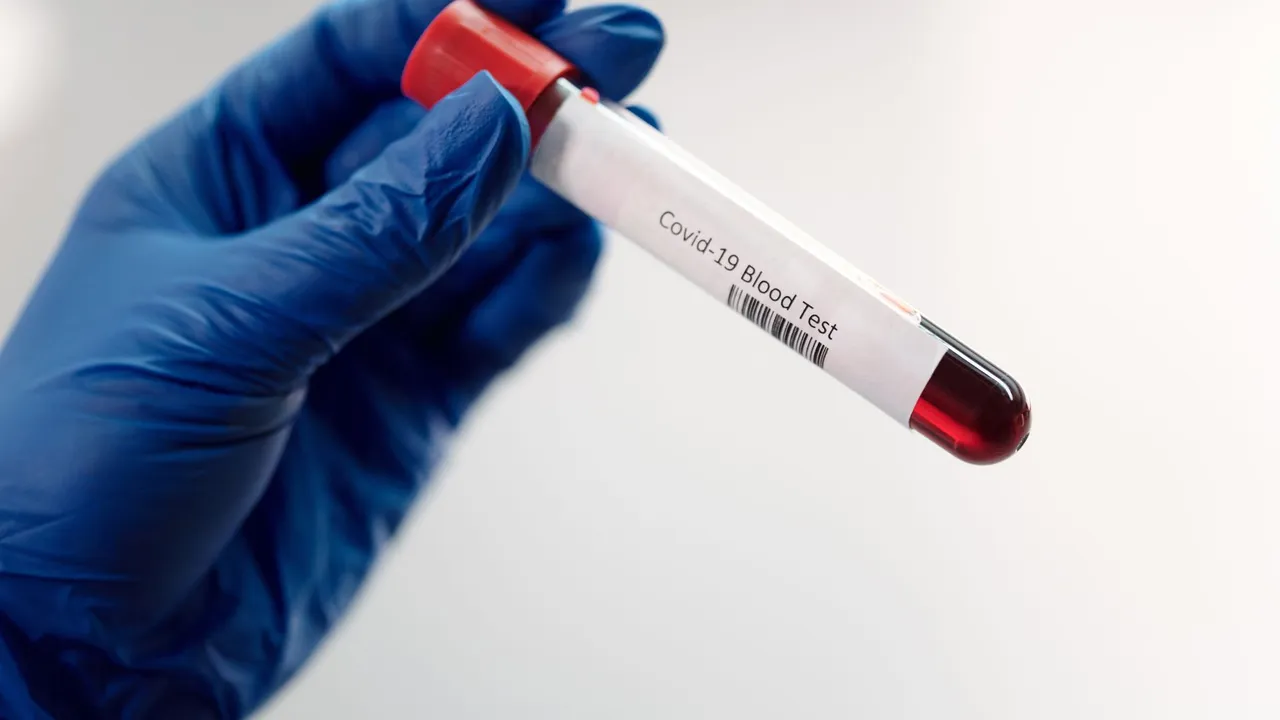
A Simple Blood Test May Help Doctors Assess How Severe Your DKA Is
Researchers found that a neutrophil-to-lymphocyte ratio—a measurement doctors can pull from routine bloodwork—correlates with how serious diabetic ketoacidosis is when someone arrives at the hospital. This could help guide faster, more targeted treatment decisions.
Evidence label explains the kind of source behind this article (for example peer-reviewed literature vs community video). It is not medical advice.
Key takeaways
- Diabetic ketoacidosis (DKA) is a medical emergency that needs rapid assessment. A higher neutrophil-to-lymphocyte ratio (NLR) correlated with more severe DKA in a study of 170 patients.
- NLR is calculated from white blood cells already counted during routine admission bloodwork—no new tests needed.
- This marker tracked alongside other known DKA severity signs like blood pH and bicarbonate levels, suggesting it could be one useful tool among several for assessing severity.
- This was a retrospective study looking backward at medical records, so more research is needed to confirm whether NLR can reliably predict outcomes or guide treatment in real time.
What Is DKA and Why Does Speed Matter?
Diabetic ketoacidosis (DKA) is a serious medical emergency that can happen in people with type 1 diabetes. It occurs when the body breaks down fat too quickly for energy, producing acids called ketones that build up in the blood and urine. This causes the blood to become dangerously acidic and can lead to confusion, difficulty breathing, and organ damage if not treated promptly.
When someone arrives at the hospital with DKA, doctors need to know right away how severe it is so they can provide the right level of care. Identifying severity early helps doctors make faster decisions about treatment and can improve outcomes.
What Did This Study Find?
Researchers in Saudi Arabia looked back at medical records from 170 people with type 1 diabetes who were admitted to the hospital with DKA between 2023 and 2025. The average age was about 22 years old, and just over half were female.
The study measured something called the neutrophil-to-lymphocyte ratio (NLR)—a calculation based on two types of white blood cells that are already counted during routine bloodwork. The researchers compared NLR levels to how severe each person's DKA was, measured by blood pH and bicarbonate levels.
The main finding: patients with more severe DKA tended to have higher NLR values. The study also found that severe DKA correlated with higher blood sugar levels and higher white blood cell counts overall. About 60% of patients had moderate DKA, while 12% had severe DKA.
Why This Matters (and What It Doesn't)
NLR is attractive because it requires no extra testing—it's calculated from blood cells doctors already count when someone comes to the emergency room. If future research confirms that NLR reliably signals DKA severity, it could help doctors prioritize care and make faster treatment decisions.
However, this was a retrospective study, meaning researchers looked backward at records that were already created for other reasons. It doesn't prove that NLR can predict what will happen to a patient or that changing treatment based on NLR would improve outcomes. Much more research is needed before any change to how DKA is assessed in practice.
What Comes Next?
This study suggests NLR is worth investigating further as one potential tool among many for assessing DKA severity. To move forward, researchers would need to study patients in real time as they arrive at the hospital, track whether NLR predictions hold up, and test whether using this information actually helps doctors provide better, faster care.
If you or a loved one has type 1 diabetes and experiences symptoms of DKA—such as nausea, vomiting, fruity-smelling breath, rapid breathing, or confusion—seek emergency medical care immediately. Your medical team will use established clinical and laboratory measures, along with their expertise, to determine the best course of treatment.
Evidence label
Source: Cureus. Evidence type: PubMed indexed literature. Type1Cure is an information and intelligence hub, not a medical advice service. This article summarizes published research and does not provide diagnosis, treatment, or personal medical guidance. Always talk to your own care team before changing anything about your Type 1 diabetes management.
Type1Cure is an information and intelligence hub, not a medical advice service. This article summarizes published research and does not provide diagnosis, treatment, or personal medical guidance. Always talk to your own care team before changing anything about your Type 1 diabetes management.
Related reading
More evidence-labeled coverage across the Type1Cure library.
- Diagnosis & Early DetectionA New Approach to Finding Type 1 Diabetes Early: Testing During Routine CheckupsPubMed indexed literature
- Diagnosis & Early DetectionSingle Autoantibody: What It Means When Your Child Tests Positive for One Type 1 MarkerPubMed indexed literature
- Diagnosis & Early DetectionKetosis-Prone Type 2 Diabetes: New Clues to an Immune Mix-UpPubMed indexed literature
- Diagnosis & Early DetectionWhy Screening for Type 1 Diabetes Before Symptoms MatterPubMed indexed literature
- Diagnosis & Early DetectionTesting for Type 1 Before Symptoms Appear: What a Real-World Pilot LearnedPubMed indexed literature
- Diagnosis & Early DetectionA Hidden Connection: Why Children with Type 1 Diabetes May Need H. pylori ScreeningPubMed indexed literature