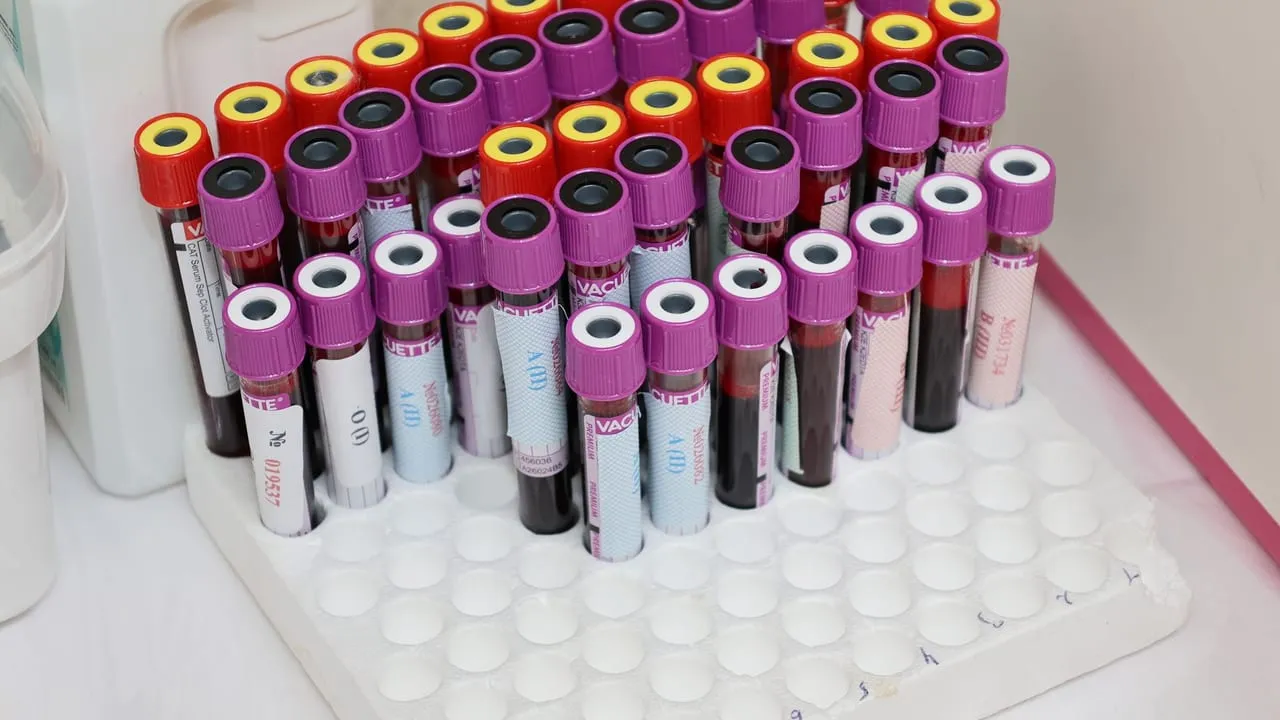
How MicroRNAs Could Help Catch Type 1 Diabetes Earlier
Scientists are studying tiny molecules called microRNAs that change when Type 1 diabetes develops. These molecular patterns might one day help doctors detect the disease before symptoms appear.
Evidence label explains the kind of source behind this article (for example peer-reviewed literature vs community video). It is not medical advice.
Key takeaways
- Type 1 diabetes damages insulin-producing cells through an autoimmune process, but current tests cannot catch it in the preclinical stage before symptoms begin
- MicroRNAs are small molecules that regulate how genes work, and certain ones show altered levels in people with Type 1 diabetes
- Key microRNAs in Type 1 diabetes—including miR-21, miR-25, miR-146a, and miR-375—reflect beta cell destruction and immune system activity
- Researchers believe tracking these microRNA patterns could eventually serve as biomarkers for early detection of Type 1 diabetes
Why Early Detection Matters for Type 1 Diabetes
Type 1 diabetes develops when the immune system mistakenly attacks insulin-producing beta cells in the pancreas, gradually destroying them. This leads to absolute insulin deficiency—the body cannot make enough insulin to regulate blood sugar. Unlike Type 2 diabetes, which stems from insulin resistance and develops more gradually, Type 1 emerges from an autoimmune process.
Today's diagnostic tests detect Type 1 diabetes after symptoms appear—often after significant beta cell damage has already occurred. This presents a significant limitation: doctors currently have no way to identify the disease during its preclinical stage, when intervention might be possible.
What Are MicroRNAs and Why Do They Matter?
MicroRNAs (miRNAs) are tiny molecules that regulate gene expression in cells. Rather than instructing cells to make proteins, they fine-tune how existing genes function by blocking messenger RNA translation or breaking down messenger RNA altogether. Think of them as molecular volume controls that adjust how active different genes are.
Because microRNAs influence critical cellular processes, their expression patterns change when disease develops. In diabetes, specific microRNAs shift from their normal levels, offering a potential window into disease activity.
The MicroRNA Signature of Type 1 Diabetes
Research has identified four key microRNAs that show altered expression in Type 1 diabetes: miR-21, miR-25, miR-146a, and miR-375. These molecules are involved in processes central to the disease—specifically beta cell death and the autoimmune inflammation that targets pancreatic cells.
The altered levels of these microRNAs reflect what is happening inside the body: immune system activation and beta cell destruction. This makes them potentially valuable as biological markers that could reveal disease activity before clinical symptoms emerge.
The Future of Early Detection
Scientists are evaluating whether microRNA patterns could serve as early diagnostic biomarkers—measurable signs that disease is developing. If validated, tracking specific microRNAs might enable doctors to identify Type 1 diabetes during its preclinical stage, before significant beta cell loss occurs.
Current research summarizes evidence on microRNA roles in Type 1 diabetes pathogenesis and explores their potential as both diagnostic tools and therapeutic targets. While the science is still emerging, the ability to detect molecular changes before symptoms could fundamentally change how Type 1 diabetes is identified and managed.
Evidence label
Source: Biomolecules. Evidence type: PubMed indexed literature. Type1Cure is an information and intelligence hub, not a medical advice service. This article summarizes published research and does not provide diagnosis, treatment, or personal medical guidance. Always talk to your own care team before changing anything about your Type 1 diabetes management.
Type1Cure is an information and intelligence hub, not a medical advice service. This article summarizes published research and does not provide diagnosis, treatment, or personal medical guidance. Always talk to your own care team before changing anything about your Type 1 diabetes management.
Related reading
More evidence-labeled coverage across the Type1Cure library.
- Diagnosis & Early DetectionA Simple Blood Test May Help Doctors Assess How Severe Your DKA IsPubMed indexed literature
- Diagnosis & Early DetectionA New Approach to Finding Type 1 Diabetes Early: Testing During Routine CheckupsPubMed indexed literature
- Diagnosis & Early DetectionSingle Autoantibody: What It Means When Your Child Tests Positive for One Type 1 MarkerPubMed indexed literature
- Diagnosis & Early DetectionKetosis-Prone Type 2 Diabetes: New Clues to an Immune Mix-UpPubMed indexed literature
- Diagnosis & Early DetectionWhy Screening for Type 1 Diabetes Before Symptoms MatterPubMed indexed literature
- Diagnosis & Early DetectionTesting for Type 1 Before Symptoms Appear: What a Real-World Pilot LearnedPubMed indexed literature