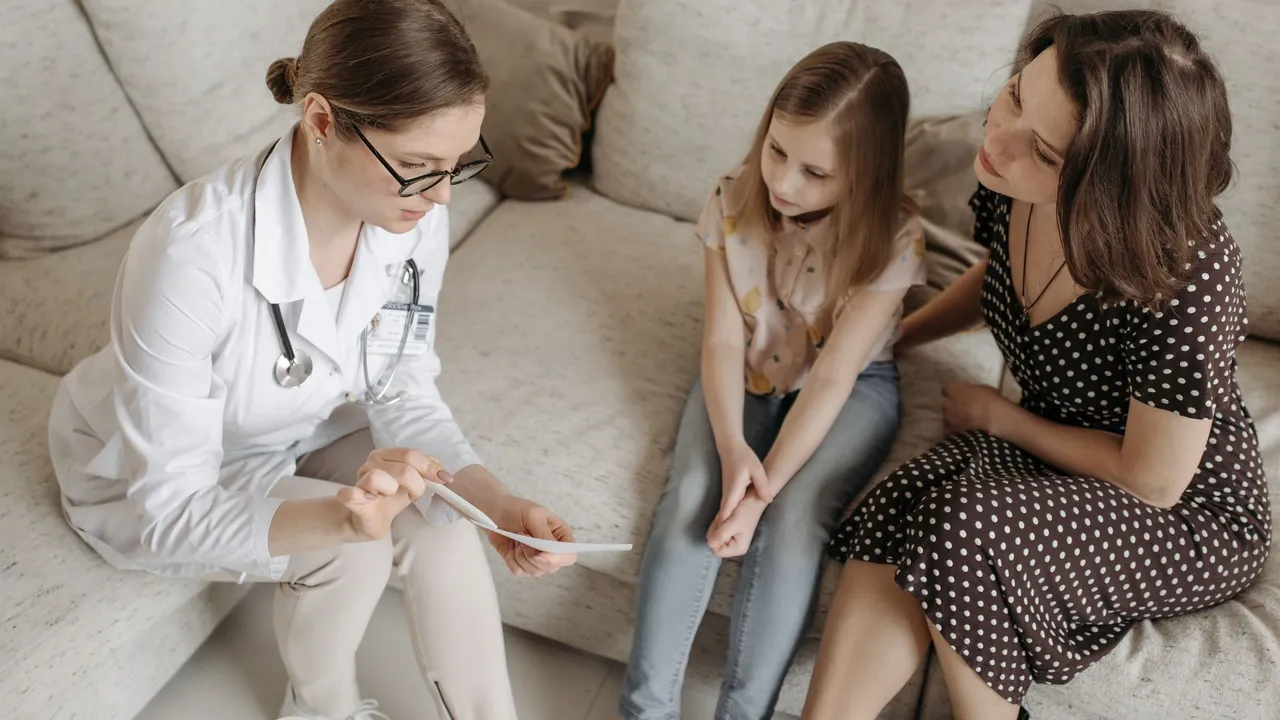
What Parents Want You to Know About Repeated Glucose Monitoring for Children at Diabetes Risk
A new study listened to parents whose children wear continuous glucose monitors as part of research to track early-stage type 1 diabetes. Their honest feedback reveals both the real challenges and the emotional benefits of knowing their child's risk.
Evidence label explains the kind of source behind this article (for example peer-reviewed literature vs community video). It is not medical advice.
Key takeaways
- Parents of at-risk children using blinded CGM devices reported practical challenges like sensor insertion pain and worry about data loss, but found the monitoring acceptable overall.
- Getting clear, timely feedback from healthcare providers about their child's glucose patterns mattered deeply to parents—especially as their child progressed toward diagnosis.
- Knowing their child's diabetes risk helped parents feel prepared and empowered, rather than blindsided, if their child eventually developed type 1 diabetes.
- Most participating parents were mothers, highlighting a gender gap in research participation and family caregiving roles that researchers should consider.
Why This Research Matters
Type 1 diabetes develops in stages. Some children show signs of autoimmunity—when the body's immune system starts attacking insulin-producing cells—long before symptoms appear. Researchers want to track these children closely to understand disease progression and test new prevention approaches.
Continuous glucose monitors (CGMs) are small sensors that track blood sugar patterns in real time. In this study, children at risk for type 1 diabetes wore blinded Dexcom G6 sensors—meaning the data was hidden from families during wear. Researchers recently asked parents: What was this experience actually like for you and your family?
The Real Challenges Families Face
Nineteen parents—mostly mothers—shared their experiences. Their children averaged 7.5 years old and had worn the CGM devices multiple times over the study period.
Parents described several concrete challenges. Sensor insertion could be painful or cause anxiety in children. Some parents worried about losing data if a sensor fell off or malfunctioned. These are the everyday hurdles families navigate when participating in research monitoring—hurdles that aren't always visible in published results.
Getting Answers Matters
How and when parents received feedback about their child's glucose patterns shaped their whole experience. Parents wanted clear, timely explanations from their healthcare team—especially as their child's risk status changed. When communication was strong, it reduced uncertainty; when it was unclear, it left parents confused or anxious.
This finding underscores something researchers sometimes overlook: providing data is not enough. Families need interpretation, context, and honest conversation about what the numbers mean for their child's future.
The Gift of Knowing
Despite the hassles, most parents said knowing their child's risk was valuable. When children eventually developed clinical type 1 diabetes (Stage 3), parents who had been monitored felt prepared. They understood what was coming. They could arrange care, educate themselves, and support their child through diagnosis.
Parents described this preparation as empowering rather than frightening. Knowing allowed them to move from shock and confusion to informed action—a distinction that matters for family wellbeing.
What This Tells Us
This small, qualitative study gathered lived experience rather than test scores or outcomes. Its findings are limited to these 19 families and cannot be generalized to all families. However, the themes highlight what matters to parents navigating early-stage diabetes detection: honest communication, practical support during monitoring, and advance knowledge of risk.
As research in type 1 diabetes prevention expands, these insights can help teams design studies and monitoring programs that fit into families' real lives—not just clinic timelines.
Evidence label
Source: Diabetic medicine : a journal of the British Diabetic Association. Evidence type: PubMed indexed literature. Type1Cure is an information and intelligence hub, not a medical advice service. This article summarizes published research and does not provide diagnosis, treatment, or personal medical guidance. Always talk to your own care team before changing anything about your Type 1 diabetes management.
Type1Cure is an information and intelligence hub, not a medical advice service. This article summarizes published research and does not provide diagnosis, treatment, or personal medical guidance. Always talk to your own care team before changing anything about your Type 1 diabetes management.
Related reading
More evidence-labeled coverage across the Type1Cure library.
- Diagnosis & Early DetectionA Simple Blood Test May Help Doctors Assess How Severe Your DKA IsPubMed indexed literature
- Diagnosis & Early DetectionA New Approach to Finding Type 1 Diabetes Early: Testing During Routine CheckupsPubMed indexed literature
- Diagnosis & Early DetectionSingle Autoantibody: What It Means When Your Child Tests Positive for One Type 1 MarkerPubMed indexed literature
- Diagnosis & Early DetectionKetosis-Prone Type 2 Diabetes: New Clues to an Immune Mix-UpPubMed indexed literature
- Diagnosis & Early DetectionWhy Screening for Type 1 Diabetes Before Symptoms MatterPubMed indexed literature
- Diagnosis & Early DetectionTesting for Type 1 Before Symptoms Appear: What a Real-World Pilot LearnedPubMed indexed literature