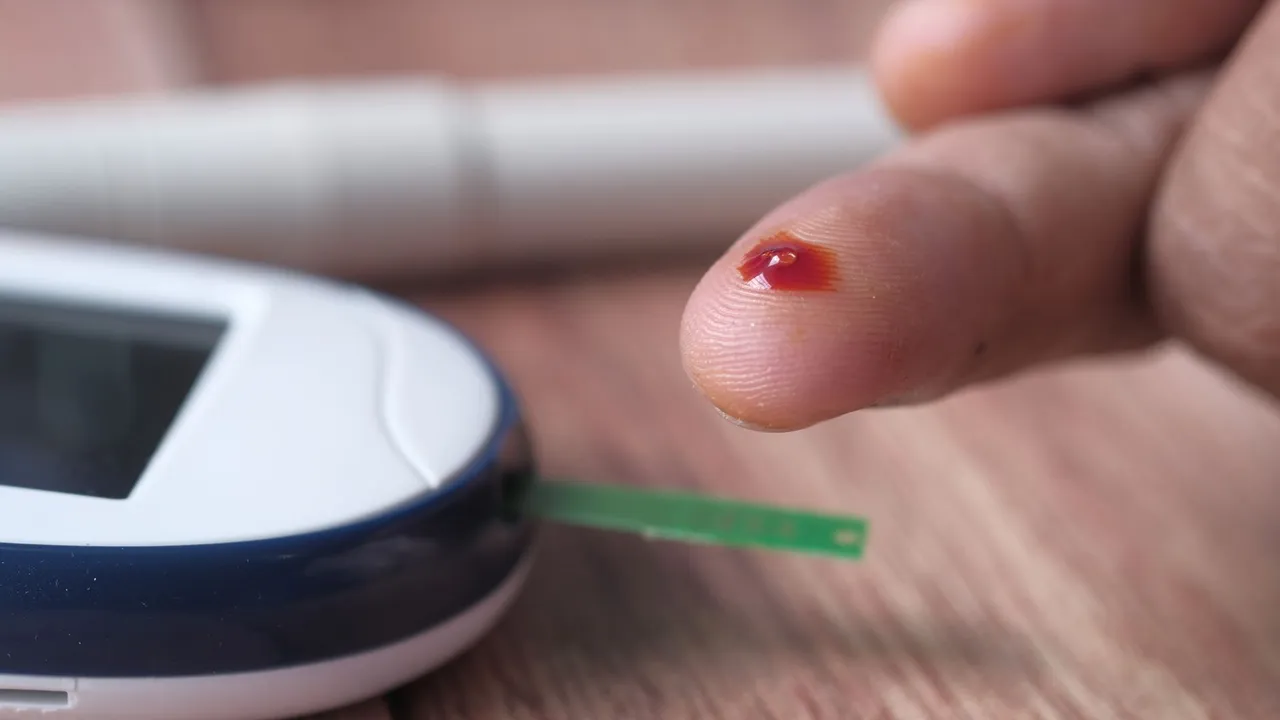
Heart Transplant Patients Need Close Glucose Monitoring to Prevent Dangerous Metabolic Crisis
Immunosuppressive medications used after heart transplantation can trigger diabetes-related emergencies. Early detection and careful medication management are critical for patient safety.
Evidence label explains the kind of source behind this article (for example peer-reviewed literature vs community video). It is not medical advice.
Key takeaways
- Immunosuppressive drugs—especially tacrolimus and corticosteroids—can damage the pancreas and cause diabetes after heart transplantation
- Diabetic ketoacidosis (DKA), a serious metabolic emergency, can develop in transplant patients with uncontrolled blood sugar
- Regular blood glucose monitoring and quick adjustment of immunosuppressive medications can help prevent life-threatening complications
- Heart transplant recipients should be aware of diabetes symptoms and have their glucose levels checked regularly
What Happens After Heart Transplantation
After a heart transplant, patients receive immunosuppressive medications to prevent their immune system from rejecting the new heart. While these drugs are essential for survival, they can cause serious side effects—including the development of diabetes.
Two medications commonly used after transplantation, tacrolimus and corticosteroids, are known to increase diabetes risk. These drugs can damage the insulin-producing cells in the pancreas, leading to high blood sugar levels and, in some cases, unmasking or triggering Type 1 diabetes.
When Diabetes Becomes a Medical Emergency
Diabetic ketoacidosis (DKA) is a rare but serious condition where the body produces too many acids (ketones) in the blood. It occurs when blood sugar becomes dangerously high and the body cannot produce enough insulin to control it.
A recent case report documented a 21-year-old heart transplant recipient who developed DKA six months after surgery. In addition to standard emergency treatment with insulin and fluids, doctors had to significantly adjust his immunosuppressive regimen to prevent the condition from happening again.
How Tacrolimus Affects the Pancreas
Tacrolimus, a cornerstone immunosuppressive drug, can directly harm the beta cells that produce insulin. This damage leads to insulin deficiency and high blood sugar—and in some patients, can trigger insulin-dependent diabetes.
The consequences of uncontrolled diabetes after transplantation are serious. Beyond DKA, patients face increased risk of complications like kidney and eye disease, heart and blood vessel damage, and reduced survival of the transplanted organ itself.
What Transplant Patients and Doctors Should Do
Early detection and intervention are essential. Doctors should monitor blood glucose levels regularly in all heart transplant recipients, especially within the first year after surgery when risk is highest.
If blood sugar abnormalities are detected, adjusting or changing the immunosuppressive regimen may be necessary—even though these medications are vital for preventing rejection. Balancing rejection prevention with metabolic safety requires careful, ongoing management and close communication between the transplant team and the patient.
Evidence label
Source: Indian journal of thoracic and cardiovascular surgery. Evidence type: PubMed indexed literature. Type1Cure is an information and intelligence hub, not a medical advice service. This article summarizes published research and does not provide diagnosis, treatment, or personal medical guidance. Always talk to your own care team before changing anything about your Type 1 diabetes management.
Type1Cure is an information and intelligence hub, not a medical advice service. This article summarizes published research and does not provide diagnosis, treatment, or personal medical guidance. Always talk to your own care team before changing anything about your Type 1 diabetes management.
Related reading
More evidence-labeled coverage across the Type1Cure library.
- Diagnosis & Early DetectionA Simple Blood Test May Help Doctors Assess How Severe Your DKA IsPubMed indexed literature
- Diagnosis & Early DetectionWhy Screening for Type 1 Diabetes Before Symptoms MatterPubMed indexed literature
- Diagnosis & Early DetectionTesting for Type 1 Before Symptoms Appear: What a Real-World Pilot LearnedPubMed indexed literature
- Diagnosis & Early DetectionHow MicroRNAs Could Help Catch Type 1 Diabetes EarlierPubMed indexed literature
- Diagnosis & Early DetectionWhat Parents Want You to Know About Repeated Glucose Monitoring for Children at Diabetes RiskPubMed indexed literature
- Diagnosis & Early DetectionA Rare Case: How a Gynecologic Infection Led to Diabetic KetoacidosisPubMed indexed literature