When Adult-Onset Type 1 Diabetes Gets Misdiagnosed as Type 2
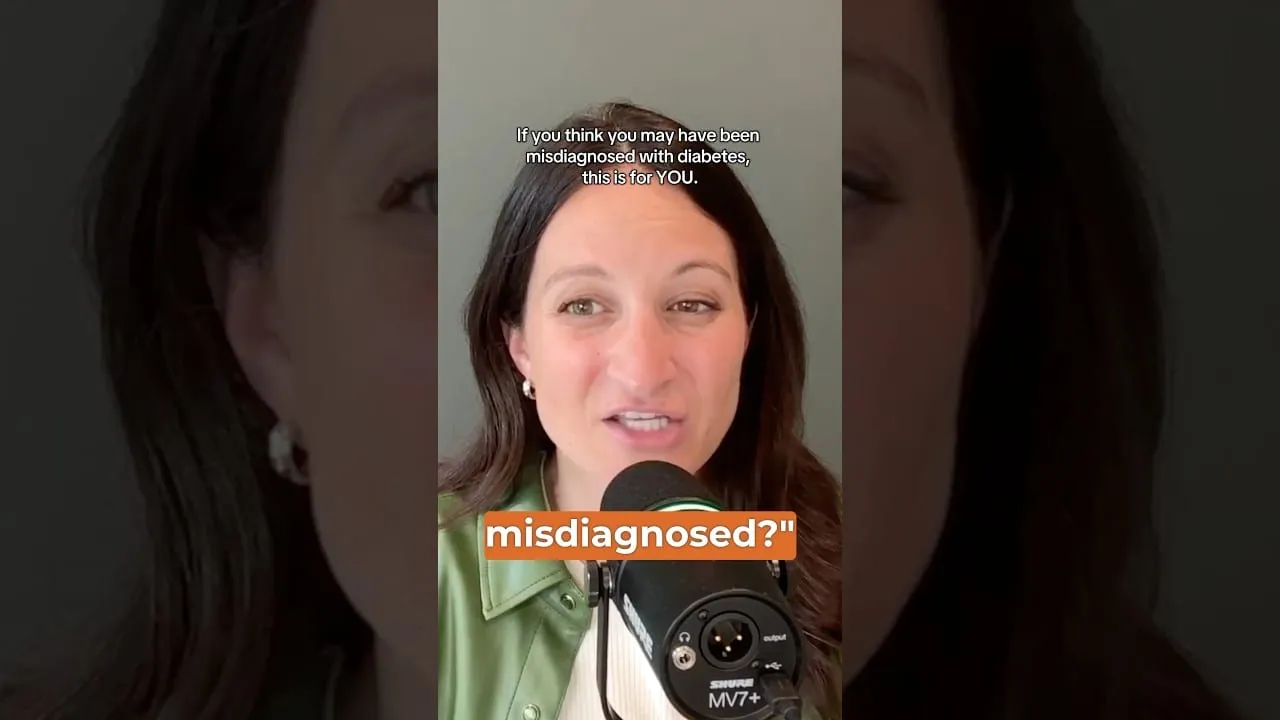
Type 1 diabetes diagnosed in adulthood is often mistaken for type 2, pre-diabetes, or gestational diabetes—sometimes with serious consequences. Understanding the difference can help you advocate for the right diagnosis and care.
Evidence label explains the kind of source behind this article (for example peer-reviewed literature vs community video). It is not medical advice.
Key takeaways
- Type 1 diabetes in adults is frequently misdiagnosed as type 2 diabetes or pre-diabetes, delaying proper treatment
- Misdiagnosis can lead to serious complications, including diabetic ketoacidosis (DKA), a medical emergency
- Self-advocacy and asking for the right tests are critical when you suspect your diagnosis may be incorrect
- If you were diagnosed with type 2 diabetes or gestational diabetes as an adult but symptoms don't fit, it's worth exploring whether type 1 might be the real diagnosis
A Common But Overlooked Problem
Type 1 diabetes is often thought of as a childhood disease, but it can develop at any age. Because of this assumption, adults who develop type 1 are frequently given a type 2 diagnosis instead—or told they have pre-diabetes or gestational diabetes. This misdiagnosis isn't just a paperwork error; it can delay the insulin treatment that type 1 requires, putting patients at risk for serious complications.
When Misdiagnosis Becomes a Crisis
One person's experience illustrates how serious this problem can be. After being initially told she had pre-diabetes, she was later diagnosed with gestational diabetes, then type 2 diabetes. Despite these diagnoses, her condition worsened. Eventually, she ended up in the emergency room in diabetic ketoacidosis (DKA)—a life-threatening condition where the body produces too much acid and blood sugar spikes dangerously high. Even in the ER, she was sent home with fluids rather than receiving the insulin her type 1 diabetes required. It wasn't until later that she finally received the correct diagnosis.
Why This Matters for Your Health
Type 1 and type 2 diabetes are different diseases that require different treatments. Type 1 is an autoimmune condition where the pancreas stops producing insulin; type 2 involves insulin resistance. Adults with type 1 diabetes need insulin from the moment of diagnosis. If you're labeled as type 2 and treated only with oral medications or lifestyle changes, your blood sugar can spiral out of control and lead to DKA or other emergencies.
If you were diagnosed with type 2, pre-diabetes, or gestational diabetes as an adult and something feels off—whether your symptoms don't match, standard treatments aren't working, or you're experiencing sudden, severe symptoms—it may be worth asking your care team about testing for type 1 diabetes.
Speaking Up About Your Diagnosis
Advocating for yourself and your health is one of the most powerful tools you have. If you think your diagnosis might be wrong, you can ask your doctor for specific tests, such as C-peptide levels, autoimmune markers (GAD, IA-2, or ZnT8 antibodies), or additional blood work. These tests can help determine whether type 1 diabetes is present.
You deserve a care team that listens to your concerns and gets your diagnosis right. If something doesn't feel right, trust that instinct and seek clarification or a second opinion.
Evidence label
Source: YouTube community video. Evidence type: Community video — lay discussion, not peer-reviewed research. Type1Cure is an information and intelligence hub, not a medical advice service. This article summarizes published research and does not provide diagnosis, treatment, or personal medical guidance. Always talk to your own care team before changing anything about your Type 1 diabetes management.
Type1Cure is an information and intelligence hub, not a medical advice service. This article summarizes published research and does not provide diagnosis, treatment, or personal medical guidance. Always talk to your own care team before changing anything about your Type 1 diabetes management.
Related reading
More evidence-labeled coverage across the Type1Cure library.
- DiagnosisWhy Type 1 Diabetes Is Often Missed in AdultsVideo report, corroborated with 5 indexed studies
- DiagnosisGetting the Right Diagnosis: Why Type 1 and Type 2 Classification Matters at Every AgeCommunity video — lay discussion, not peer-reviewed research
- DiagnosisWhy Type 1 Diabetes Is Often Misdiagnosed—and Why Early Recognition MattersCommunity video — lay discussion, not peer-reviewed research
- DiagnosisNew Genetic Test May Help Identify Babies at Risk for Type 1 DiabetesCommunity video — lay discussion, not peer-reviewed research
- DiagnosisRecognizing the Signs: What Type 2 Diabetes Symptoms Felt Like for One PersonCommunity video — lay discussion, not peer-reviewed research
- DiagnosisWhen Type 2 Isn't Type 2: Why LADA Gets MissedCommunity video — lay discussion, not peer-reviewed research