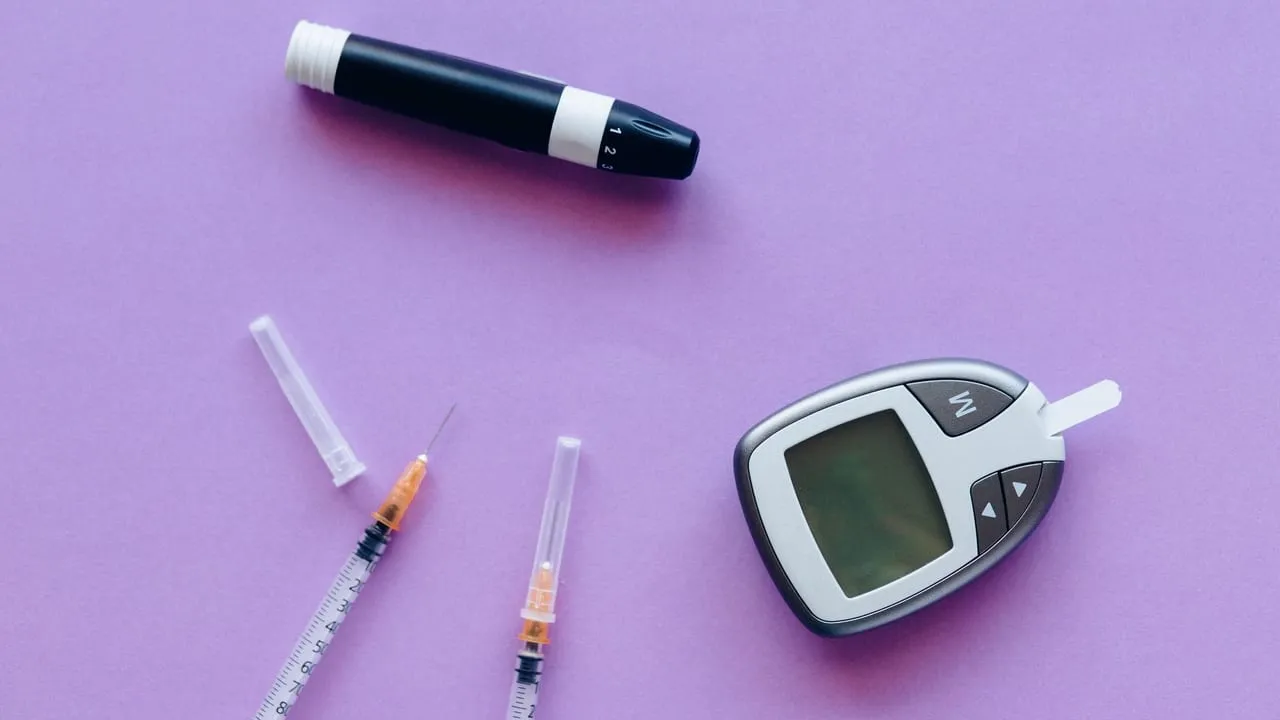
New AI Tool Could Help Predict Which Children Will Use Their Glucose Monitors
Researchers in Oman are developing an artificial intelligence system to identify which children with Type 1 diabetes might struggle with continuous glucose monitor use—before they even get the device. The goal is to catch adherence problems early and offer extra support.
Evidence label explains the kind of source behind this article (for example peer-reviewed literature vs community video). It is not medical advice.
Key takeaways
- Continuous glucose monitors (CGMs) are powerful tools for managing Type 1 diabetes in children, but many kids don't use them consistently
- Researchers are building an AI tool called OMNIdiasense to predict which children might have trouble wearing their CGM regularly
- The study uses real data from thousands of Omani children who received CGMs through a national program launched in May 2024
- Understanding who is at risk for poor CGM adherence could help doctors provide better support and resources to individual families
The CGM Adherence Challenge
Continuous glucose monitors have revolutionized how children with Type 1 diabetes manage their blood sugar. These small devices sit on the skin and check glucose levels throughout the day, sending readings to a phone or receiver. But despite their benefits, many children don't wear their CGMs consistently—and that's a real problem. Irregular use means missing out on the valuable data these devices provide, making it harder to keep blood sugar levels in target range and avoid complications.
Getting children to stick with CGM wear is complicated. It's not just about motivation or education. Family circumstances, cultural factors, stress, and daily routines all play a role. Healthcare teams need a better way to identify which children might struggle with adherence so they can step in with extra support.
A Real-World Research Opportunity in Oman
In May 2024, the Sultanate of Oman launched a national initiative that distributed continuous glucose monitors to children with Type 1 diabetes across the country. This unprecedented program created a unique research opportunity: access to real data from thousands of children using CGMs in everyday life.
Researchers seized this moment to launch a multi-phase study aimed at understanding what shapes CGM adherence in children and developing a tool to predict it. The study will examine demographic information, psychosocial factors, diet, physical activity, and other elements that influence whether children actually wear and use their devices.
How OMNIdiasense Will Work
The research team is developing an AI-assisted tool called OMNIdiasense designed to forecast which children are at risk for poor CGM adherence before they receive their device. By analyzing patterns in the real-world data collected from Omani children, the AI learns what factors predict consistent use versus inconsistent use.
The research unfolds in linked phases. First, researchers are analyzing actual CGM data and health records from children in Oman to identify which factors correlate with good adherence. That analysis feeds directly into training the AI model. Finally, the team will test whether OMNIdiasense can reliably predict adherence in real clinical practice.
Because the tool is being developed and tested specifically in Oman, it accounts for local culture, healthcare systems, and family dynamics—rather than assuming that a generic prediction tool would work the same way everywhere.
What This Could Mean for Families
If successful, OMNIdiasense could help doctors identify children who might need extra support or resources to use their CGM consistently. Rather than waiting to see who struggles after the fact, teams could offer proactive help from the start—whether that's problem-solving around device wear, family counseling, or connecting families with peer support.
This research is still in progress. The study is expected to provide insights into both the science and real-world application of predicting CGM adherence. For families in Oman and beyond, the goal is simple: ensure every child with Type 1 diabetes gets the benefit of their glucose monitoring tools.
Evidence label
Source: JMIR research protocols. Evidence type: PubMed indexed literature. Type1Cure is an information and intelligence hub, not a medical advice service. This article summarizes published research and does not provide diagnosis, treatment, or personal medical guidance. Always talk to your own care team before changing anything about your Type 1 diabetes management.
Type1Cure is an information and intelligence hub, not a medical advice service. This article summarizes published research and does not provide diagnosis, treatment, or personal medical guidance. Always talk to your own care team before changing anything about your Type 1 diabetes management.
Related reading
More evidence-labeled coverage across the Type1Cure library.
- Diagnosis & Early DetectionA Simple Blood Test May Help Doctors Assess How Severe Your DKA IsPubMed indexed literature
- Diagnosis & Early DetectionA New Approach to Finding Type 1 Diabetes Early: Testing During Routine CheckupsPubMed indexed literature
- Diagnosis & Early DetectionSingle Autoantibody: What It Means When Your Child Tests Positive for One Type 1 MarkerPubMed indexed literature
- Diagnosis & Early DetectionKetosis-Prone Type 2 Diabetes: New Clues to an Immune Mix-UpPubMed indexed literature
- Diagnosis & Early DetectionWhy Screening for Type 1 Diabetes Before Symptoms MatterPubMed indexed literature
- Diagnosis & Early DetectionTesting for Type 1 Before Symptoms Appear: What a Real-World Pilot LearnedPubMed indexed literature