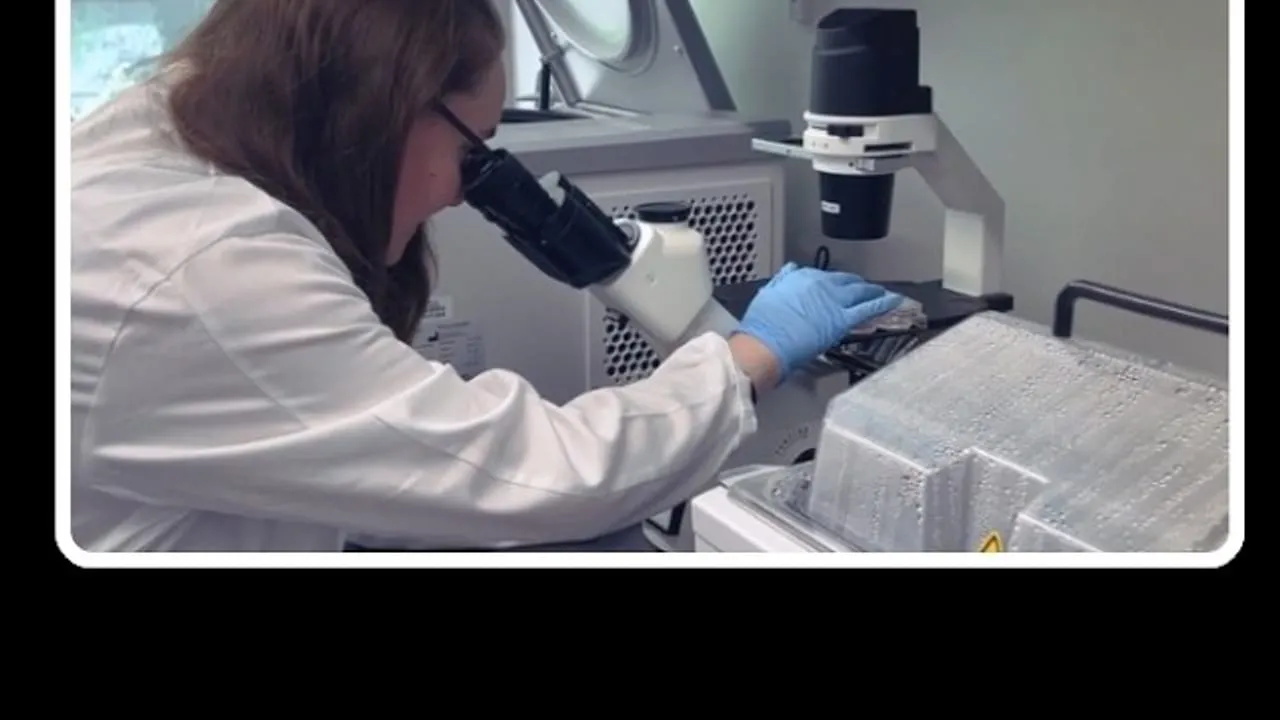
Engineering Stem Cells to Reduce Rejection in Type 1 Diabetes Cell Therapy
Researchers are exploring ways to modify stem cells so the immune system won't attack transplanted insulin-producing cells, potentially reducing the need for immune-suppressing drugs in future Type 1 diabetes treatments.
Evidence label explains the kind of source behind this article (for example peer-reviewed literature vs community video). It is not medical advice.
Key takeaways
- Scientists are developing stem cells engineered to be 'non-immunogenic'—meaning the immune system may not recognize them as foreign
- The goal is to turn these cells into insulin-producing beta cells before transplanting them into patients
- If successful, this could reduce or eliminate the need for immunosuppressive medications, which carry risks like increased infection and cancer
- This is early-stage research not yet tested in humans or published in peer-reviewed journals; much more study is needed
The Challenge with Cell Transplants
Type 1 diabetes happens when the immune system attacks and destroys the body's insulin-producing beta cells. One promising approach is to replace these lost cells through transplantation. But transplanted cells face a major hurdle: the recipient's immune system recognizes them as foreign and attacks them.
To prevent rejection, patients receiving transplanted cells usually must take immunosuppressive medications—drugs that reduce immune system activity. While these drugs can protect the new cells, they carry serious risks, including increased vulnerability to infections and higher cancer risk.
A New Strategy: Making Cells Less Recognizable
Researchers are testing a different approach: engineering human pluripotent stem cells with modifications that may reduce the immune system's ability to recognize them as foreign. Pluripotent stem cells are primitive cells that can develop into nearly any mature cell type in the body.
In this strategy, researchers remove or mask the molecular markers on the cell surface that typically alert the immune system to foreign tissue. The goal is to create insulin-producing beta cells that might be transplanted with less risk of immune attack.
What This Could Mean—and What Comes Next
If this approach proves effective in research, it could reduce or eliminate the need for immunosuppressive therapy in cell-based diabetes treatments. This would potentially lower harmful side effects, simplify treatment, and make cell therapies more practical and accessible.
Right now, this research is in early stages and has been presented as a startup concept rather than published in a peer-reviewed scientific journal. Significant preclinical testing and clinical studies will be needed before anyone can know whether this approach is safe and effective. Patients and families should look for results from rigorous research before considering any claims about this or similar therapies.
Evidence label
Source: YouTube community video. Evidence type: Community video — lay discussion, not peer-reviewed research. Type1Cure is an information and intelligence hub, not a medical advice service. This article summarizes published research and does not provide diagnosis, treatment, or personal medical guidance. Always talk to your own care team before changing anything about your Type 1 diabetes management.
Type1Cure is an information and intelligence hub, not a medical advice service. This article summarizes published research and does not provide diagnosis, treatment, or personal medical guidance. Always talk to your own care team before changing anything about your Type 1 diabetes management.
Related reading
More evidence-labeled coverage across the Type1Cure library.
- Cure ResearchWhat Are Disease-Modifying Therapies for Type 1 Diabetes?Video report, corroborated with 5 indexed studies
- Cure ResearchBeyond Insulin: Why Researchers Are Exploring New Approaches to Type 1 DiabetesVideo report, corroborated with 5 indexed studies
- Cure ResearchUnderstanding Disease-Modifying Therapies: What JDRF is Working TowardVideo report, corroborated with 5 indexed studies
- Cure ResearchStem Cell Research Offers New Hope—But Questions RemainCommunity video — lay discussion, not peer-reviewed research
- Cure ResearchWhat Science Now Knows About Beta Cell Regeneration in Type 1 DiabetesCommunity video — lay discussion, not peer-reviewed research
- Cure ResearchWhat We Know About Beta Cell Regeneration Research in DiabetesCommunity video — lay discussion, not peer-reviewed research