Progress on Cell Transplants for Type 1 Diabetes: What You Should Know
Researchers are working on transplanting insulin-producing cells into people with Type 1 diabetes. A major challenge has been protecting these new cells from the immune system. Recent work suggests progress on this problem—but we're still in early stages.
Evidence label explains the kind of source behind this article (for example peer-reviewed literature vs community video). It is not medical advice.
Key takeaways
- Scientists have successfully transplanted insulin-producing cells made from stem cells into people with Type 1 diabetes, and some patients needed fewer or no insulin injections afterward
- The biggest obstacle: the immune system attacks transplanted cells just as it attacked the body's original insulin-producing cells
- Sana Biotechnology reports early progress on protecting transplanted cells from immune attack without requiring long-term immune-suppressing medications
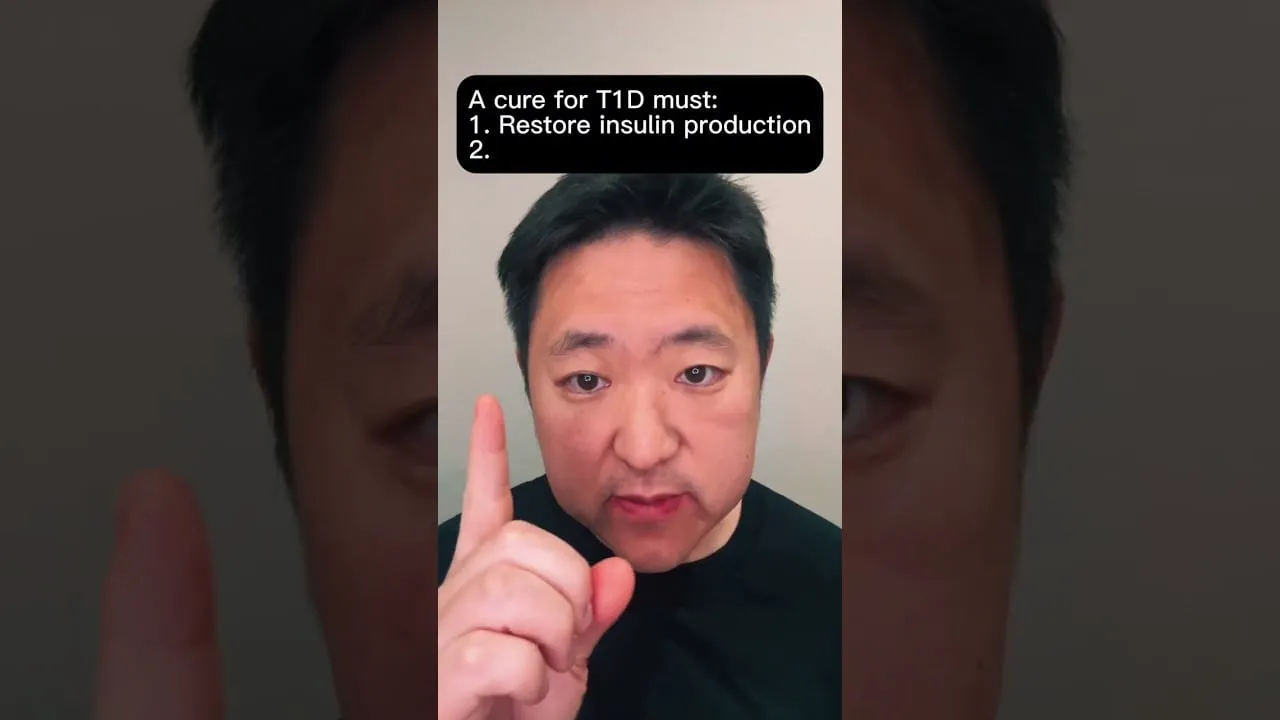
- A real solution for Type 1 diabetes requires two things: restoring insulin production AND stopping immune attacks on that new production
What a Real Solution Would Need to Do
When scientists talk about solving Type 1 diabetes, they mean accomplishing two separate goals: getting the body to make insulin again, and preventing the immune system from attacking that new insulin production.
For a long time, these goals seemed impossible to reach at the same time. Researchers figured out how to restore insulin production. But stopping immune attacks without causing other problems—that's proven much harder.
The Insulin Production Part Works
Vertex, a biotechnology company, has shown that insulin-producing cells grown from stem cells can be transplanted into people with Type 1 diabetes. Some patients who received these transplants stopped needing insulin injections.
But there was a catch: these patients had to take medications that suppress their immune system to prevent it from attacking the transplanted cells—the same thing their immune system had done to their original insulin-producing cells.
New Work on the Immune System Problem
Sana Biotechnology is testing a different approach: protecting transplanted insulin-producing cells from immune attack without long-term immune-suppressing drugs.
This addresses one of the field's biggest unsolved problems. Early reports are encouraging, but details are still limited.
Why This Matters—And Why We Need to Be Patient
Early findings are worth paying attention to, but they are not yet a cure for Type 1 diabetes. Researchers are still testing whether this approach works reliably in many people, how long the benefits last, and whether it can be done safely and widely.
Progress on protecting transplanted cells from immune attack—a barrier the field has struggled with for years—is meaningful. For people with Type 1 diabetes and their families, this represents genuine forward movement worth following in the months and years ahead.
Evidence label
Source: YouTube community video. Evidence type: Community video — lay discussion, not peer-reviewed research. Type1Cure is an information and intelligence hub, not a medical advice service. This article summarizes published research and does not provide diagnosis, treatment, or personal medical guidance. Always talk to your own care team before changing anything about your Type 1 diabetes management.
Type1Cure is an information and intelligence hub, not a medical advice service. This article summarizes published research and does not provide diagnosis, treatment, or personal medical guidance. Always talk to your own care team before changing anything about your Type 1 diabetes management.
Related reading
More evidence-labeled coverage across the Type1Cure library.
- Cure ResearchWhat Are Disease-Modifying Therapies for Type 1 Diabetes?Video report, corroborated with 5 indexed studies
- Cure ResearchBeyond Insulin: Why Researchers Are Exploring New Approaches to Type 1 DiabetesVideo report, corroborated with 5 indexed studies
- Cure ResearchUnderstanding Disease-Modifying Therapies: What JDRF is Working TowardVideo report, corroborated with 5 indexed studies
- Cure ResearchStem Cell Research Offers New Hope—But Questions RemainCommunity video — lay discussion, not peer-reviewed research
- Cure ResearchWhat Science Now Knows About Beta Cell Regeneration in Type 1 DiabetesCommunity video — lay discussion, not peer-reviewed research
- Cure ResearchWhat We Know About Beta Cell Regeneration Research in DiabetesCommunity video — lay discussion, not peer-reviewed research