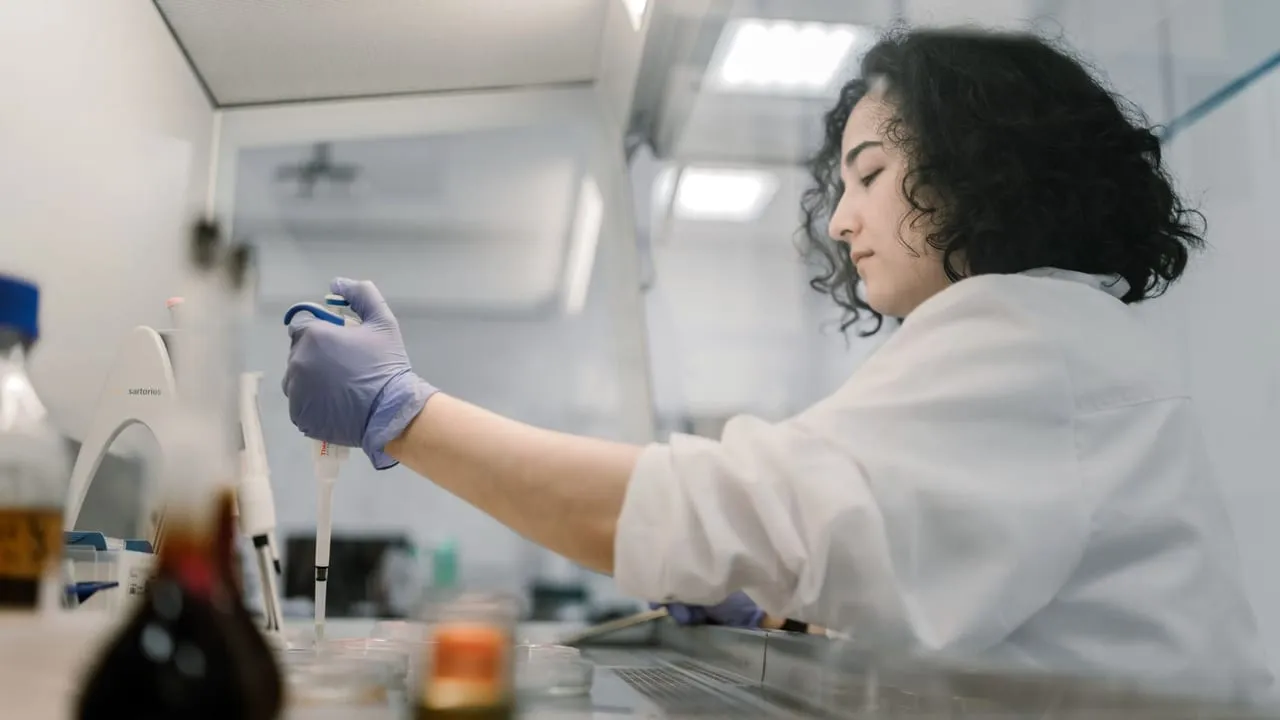
Growing Pancreases in the Lab: How Tissue Engineering Could Transform Type 1 Diabetes Treatment
Scientists are working to create artificial pancreatic tissue that could one day replace damaged insulin-producing cells without the need for donor organs or lifelong immunosuppression. A new review examines where this technology stands and what challenges remain.
Evidence label explains the kind of source behind this article (for example peer-reviewed literature vs community video). It is not medical advice.
Key takeaways
- Pancreatic tissue engineering aims to build transplantable constructs that can restore the body's natural ability to regulate blood sugar—potentially replacing whole-organ transplantation
- The biggest hurdle is creating adequate blood vessel networks within engineered tissue so cells get enough oxygen and nutrients to survive and function
- Researchers are exploring multiple strategies, including ways to protect engineered tissue from the immune system and to grow different types of pancreatic cells beyond just insulin producers
- While animal studies show promise, moving these approaches into human clinical trials requires overcoming technical, regulatory, and ethical challenges
Why We Need Better Options Than Transplants
Traditional pancreas and islet transplants can help people with Type 1 diabetes restore their body's natural insulin production. But these approaches face major limitations: there simply aren't enough donor organs available, early inflammation and oxygen deprivation damage the grafts, and recipients must take immunosuppressive drugs for life.
Pancreatic tissue engineering offers a potential way around these bottlenecks. By growing functional pancreatic tissue in the laboratory, researchers hope to create an unlimited supply of transplantable constructs tailored to individual patients—without the shortage, damage, and lifelong medication burden that come with traditional transplants.
The Vascularization Problem
The pancreas's insulin-producing cells rely on a dense network of tiny blood vessels to deliver oxygen and nutrients and to pick up the hormones they produce. This microvascular system is critical to how pancreatic cells work—and it's also the engineered tissue's Achilles heel.
When researchers try to grow pancreatic tissue in the lab, creating adequate blood vessel networks remains the dominant reason engineered grafts fail. Without proper vascularization, cells cannot get enough oxygen and nutrients to survive, leaving the construct dead or dysfunctional after transplant.
Multiple Strategies Under Development
To overcome these hurdles, scientists are pursuing several complementary approaches. Some focus on how to build vascularization directly into engineered constructs. Others work on ways to shield transplanted tissue from immune attack without requiring lifelong immunosuppression—a key barrier in current transplant medicine.
Researchers are also expanding beyond growing just insulin-producing beta cells. By developing strategies to create multiple types of pancreatic cells within engineered tissue, they aim to more closely replicate the organ's natural complexity and function.
Progress has been documented in both animal models and early human clinical trials, though significant translational challenges remain before these approaches become routine treatment.
The Road Ahead: Science Meets Regulation and Ethics
Moving pancreatic tissue engineering from the laboratory into clinical practice requires more than scientific breakthroughs. Researchers must navigate complex regulatory pathways, address manufacturing scalability, and resolve ethical considerations around engineered organ transplants.
A comprehensive review of these challenges—spanning biology, tissue engineering, and clinical translation—helps the field understand what it will take to realize this approach's potential as a transformative treatment for Type 1 diabetes.
Evidence label
Source: Frontiers in transplantation. Evidence type: PubMed indexed literature. Type1Cure is an information and intelligence hub, not a medical advice service. This article summarizes published research and does not provide diagnosis, treatment, or personal medical guidance. Always talk to your own care team before changing anything about your Type 1 diabetes management.
Type1Cure is an information and intelligence hub, not a medical advice service. This article summarizes published research and does not provide diagnosis, treatment, or personal medical guidance. Always talk to your own care team before changing anything about your Type 1 diabetes management.
Related reading
More evidence-labeled coverage across the Type1Cure library.
- Cure & AdvancementsGene-Edited Islets Show Promise, But Long-Term Questions RemainPubMed indexed literature
- Cure & AdvancementsStem Cell-Derived Islets: A New Research Path Toward Restoring Insulin ProductionPubMed indexed literature
- Cure & AdvancementsBerberine Shows Promise for Pancreatic Cell Recovery in Type 1 Diabetes ResearchPubMed indexed literature
- Cure & AdvancementsNew Blood Test May Help Identify Type 1 Diabetes EarlierPubMed indexed literature
- Cure & AdvancementsNew Method Creates Better Insulin-Producing Cell Clusters for Transplant StudiesPubMed indexed literature
- Cure & AdvancementsA Vitamin A Compound Shows Promise in Rodent Models of Type 1 DiabetesPubMed indexed literature