Why We Can't Report on This Stem Cell Therapy Claim
A YouTube video promoting stem cell therapy for diabetes lacks the scientific evidence needed to evaluate its effectiveness. Here's what you should know about assessing unproven treatments.
Evidence label explains the kind of source behind this article (for example peer-reviewed literature vs community video). It is not medical advice.
Key takeaways
- Personal testimonials from medical professionals, even doctors, are not scientific evidence of whether a treatment works
- Stem cell therapy for Type 1 diabetes remains experimental and is not an approved treatment by the FDA
- Marketing claims about stem cells require peer-reviewed research, clinical trials, and transparent safety data—not just clinic facilities or processing methods
- If you're considering any stem cell therapy, speak with your endocrinologist about what rigorous evidence exists
What This Source Actually Is
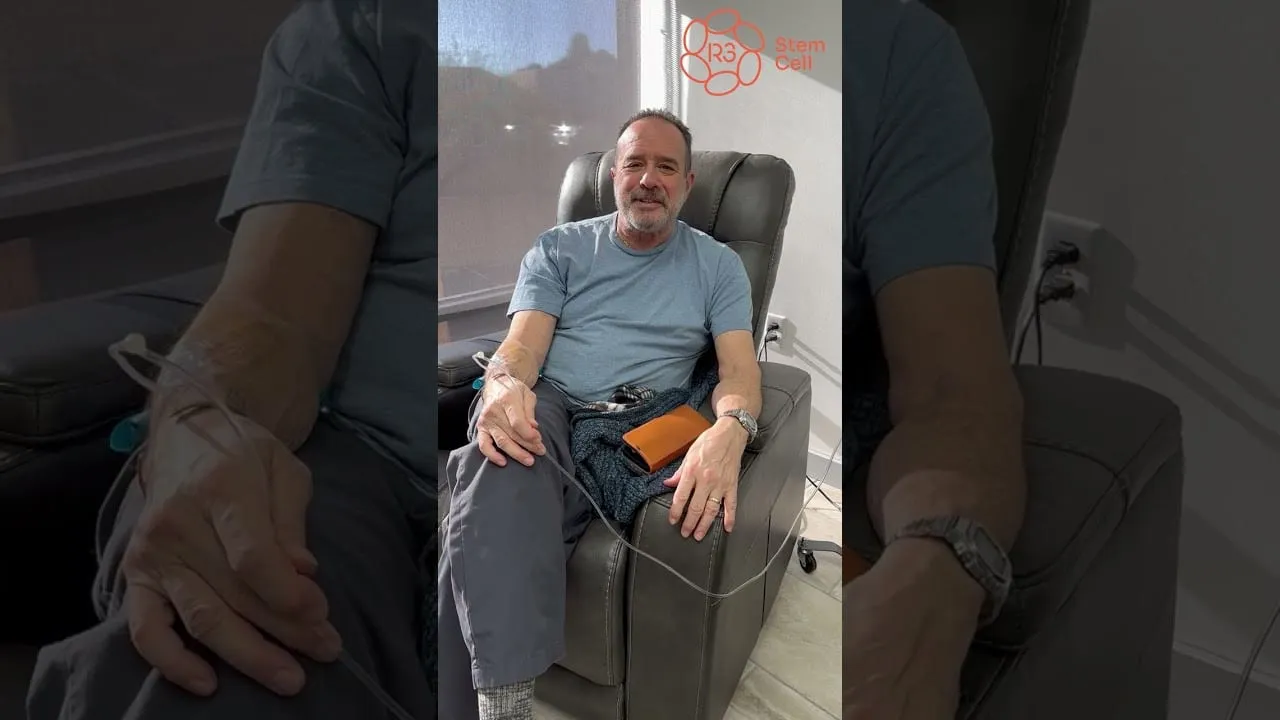
A YouTube video circulating online features a doctor describing his personal experience receiving stem cell therapy at a private clinic. While the person speaking holds medical credentials in urology and integrative medicine, the video itself is not peer-reviewed research, a clinical trial, or published scientific literature.
The video functions as promotional content for a private stem cell clinic. It includes testimonial-style commentary about the facility, processing methods, and the decision to pursue treatment—but it does not present data on safety, efficacy, or outcomes.
Why Personal Stories Aren't Evidence
Even when a doctor shares a personal health story, it cannot tell us whether a treatment actually works. One person's experience—positive or negative—does not demonstrate what would happen in a broader population, over longer timeframes, or when compared to standard care.
Testimonials also cannot account for placebo effects, the natural course of a disease, or other treatments the person may be receiving. For Type 1 diabetes, rigorous clinical trials are the only way to know if a new therapy truly delays or reverses disease onset.
Where Stem Cell Therapy for Type 1 Diabetes Actually Stands
Stem cell research for Type 1 diabetes is still in early stages. Some laboratory and animal studies show promise, but human clinical trials are limited. The FDA has not approved any stem cell therapy as a treatment for Type 1 diabetes.
Private clinics offering stem cell therapy for diabetes typically operate outside the regulatory framework that protects patients. Before pursuing any stem cell treatment, ask your doctor whether peer-reviewed clinical trial data exists and whether the therapy has FDA approval or is part of an official clinical trial you can join.
What to Do If You're Interested in Stem Cell Research
If stem cell therapy interests you, start by talking with your endocrinologist. They can explain what evidence actually exists and help you understand the difference between legitimate clinical research and marketing.
ClinicalTrials.gov is a searchable database of registered studies in the United States. If you want to participate in rigorous stem cell research for Type 1 diabetes, legitimate trials are conducted at medical institutions and follow strict safety and ethical guidelines.
Evidence label
Source: YouTube community video. Evidence type: Community video — lay discussion, not peer-reviewed research. Type1Cure is an information and intelligence hub, not a medical advice service. This article summarizes published research and does not provide diagnosis, treatment, or personal medical guidance. Always talk to your own care team before changing anything about your Type 1 diabetes management.
Type1Cure is an information and intelligence hub, not a medical advice service. This article summarizes published research and does not provide diagnosis, treatment, or personal medical guidance. Always talk to your own care team before changing anything about your Type 1 diabetes management.
Related reading
More evidence-labeled coverage across the Type1Cure library.
- Cure ResearchWhat Are Disease-Modifying Therapies for Type 1 Diabetes?Video report, corroborated with 5 indexed studies
- Cure ResearchBeyond Insulin: Why Researchers Are Exploring New Approaches to Type 1 DiabetesVideo report, corroborated with 5 indexed studies
- Cure ResearchUnderstanding Disease-Modifying Therapies: What JDRF is Working TowardVideo report, corroborated with 5 indexed studies
- Cure ResearchStem Cell Research Offers New Hope—But Questions RemainCommunity video — lay discussion, not peer-reviewed research
- Cure ResearchWhat Science Now Knows About Beta Cell Regeneration in Type 1 DiabetesCommunity video — lay discussion, not peer-reviewed research
- Cure ResearchWhat We Know About Beta Cell Regeneration Research in DiabetesCommunity video — lay discussion, not peer-reviewed research