A Three-Part Strategy for Type 1 Diabetes: Reset, Regulate, Regenerate
Researchers at Joslin Diabetes Center are pursuing an approach that tackles Type 1 diabetes from three angles at once: stopping immune attacks on beta cells, preventing them from restarting, and restoring the body's natural insulin-producing capacity.
Evidence label explains the kind of source behind this article (for example peer-reviewed literature vs community video). It is not medical advice.
Key takeaways
- Type 1 diabetes involves both a faulty immune system (attacking beta cells) and loss of insulin-producing cells—addressing only one problem has not led to a cure
- The three-part strategy aims to reset harmful immune cells, regulate the immune system to prevent future attacks, and regenerate beta cells
- This research is exploratory and collaborative; it represents a different conceptual approach but is not yet proven in humans
- Each step targets a different part of the problem, reflecting the idea that a permanent solution may require addressing all three components
Why Previous Approaches Haven't Worked
Type 1 diabetes involves two interconnected problems. The immune system mistakenly produces T cells that attack and destroy the body's beta cells—the cells responsible for making insulin. Over time, as more beta cells are lost, the body loses its ability to regulate blood sugar. Researchers have tried to solve this puzzle by targeting either the immune problem or the beta cell problem separately, but neither approach alone has led to a cure.
A New Framework: Three Steps, One Goal
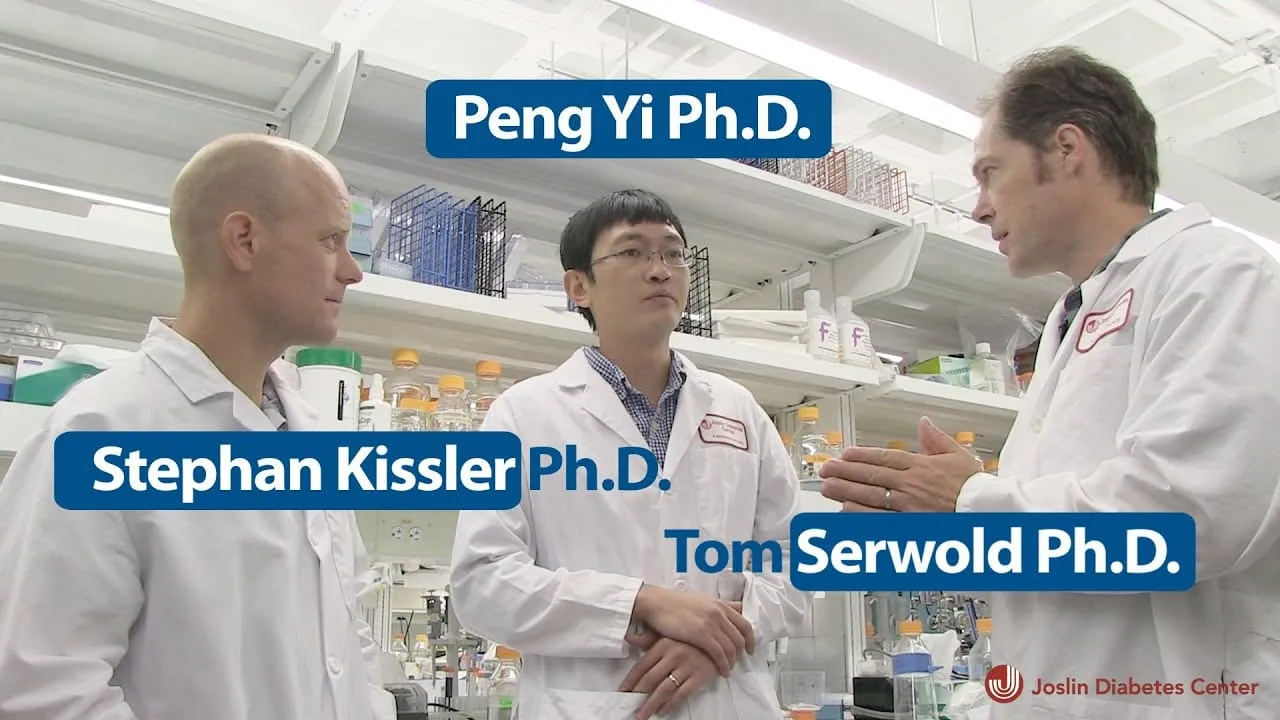
Scientists at Joslin Diabetes Center—including Dr. Thomas Wald, Dr. Stephan Kissler, and Dr. Paul Yi—are pursuing a different strategy. Instead of solving one piece of the puzzle, they are working together on all three at once: reset, regulate, and regenerate.
The idea is straightforward in concept but complex in execution. First, the immune system must be reset by eliminating the destructive T cells. Second, the immune system must be regulated so it stops making those harmful cells in the first place. Third, the body's beta cells must be regenerated to restore insulin production.
What Each Research Team Is Working On
Dr. Wald is focused on the reset phase: identifying and targeting the specific immune cells primed to destroy beta cells, then replacing them with healthy cells. This would stop the autoimmune attack.
Dr. Kissler is working on regulation by studying genes specific to Type 1 diabetes. His goal is to manipulate immune cell behavior so that the destructive T cells are kept away from beta cells, preventing the disease from starting again after reset.
Dr. Yi is pursuing the regenerate phase. He has identified a biological pathway called beta trophin that appears to promote beta cell regeneration, both within the body naturally and potentially as a drug-based therapy.
What This Means for People with Type 1 Diabetes
This research represents a shift in how scientists are thinking about a cure for Type 1 diabetes—as a problem that may require a coordinated, multi-step solution rather than a single breakthrough. The three-part strategy is still in the exploratory phase and has not yet been tested in humans. However, it reflects a growing recognition that addressing autoimmunity alone or beta cell loss alone is unlikely to be enough.
Evidence label
Source: YouTube community video. Evidence type: Community video — lay discussion, not peer-reviewed research. Type1Cure is an information and intelligence hub, not a medical advice service. This article summarizes published research and does not provide diagnosis, treatment, or personal medical guidance. Always talk to your own care team before changing anything about your Type 1 diabetes management.
Type1Cure is an information and intelligence hub, not a medical advice service. This article summarizes published research and does not provide diagnosis, treatment, or personal medical guidance. Always talk to your own care team before changing anything about your Type 1 diabetes management.
Related reading
More evidence-labeled coverage across the Type1Cure library.
- Cure ResearchWhat Are Disease-Modifying Therapies for Type 1 Diabetes?Video report, corroborated with 5 indexed studies
- Cure ResearchBeyond Insulin: Why Researchers Are Exploring New Approaches to Type 1 DiabetesVideo report, corroborated with 5 indexed studies
- Cure ResearchUnderstanding Disease-Modifying Therapies: What JDRF is Working TowardVideo report, corroborated with 5 indexed studies
- Cure ResearchStem Cell Research Offers New Hope—But Questions RemainCommunity video — lay discussion, not peer-reviewed research
- Cure ResearchWhat Science Now Knows About Beta Cell Regeneration in Type 1 DiabetesCommunity video — lay discussion, not peer-reviewed research
- Cure ResearchWhat We Know About Beta Cell Regeneration Research in DiabetesCommunity video — lay discussion, not peer-reviewed research