Stem Cell Therapy Shows Early Promise in Small Type 1 Diabetes Study
A recently published small study reports that patients who received stem cell therapy were able to go without insulin injections for several months. While early results are encouraging, much more research is needed to understand whether this approach could offer a path forward for people with Type 1 diabetes.
Evidence label explains the kind of source behind this article (for example peer-reviewed literature vs community video). It is not medical advice.
Key takeaways
- A small clinical study found that some patients treated with stem cell therapy were able to produce insulin without daily injections for several months
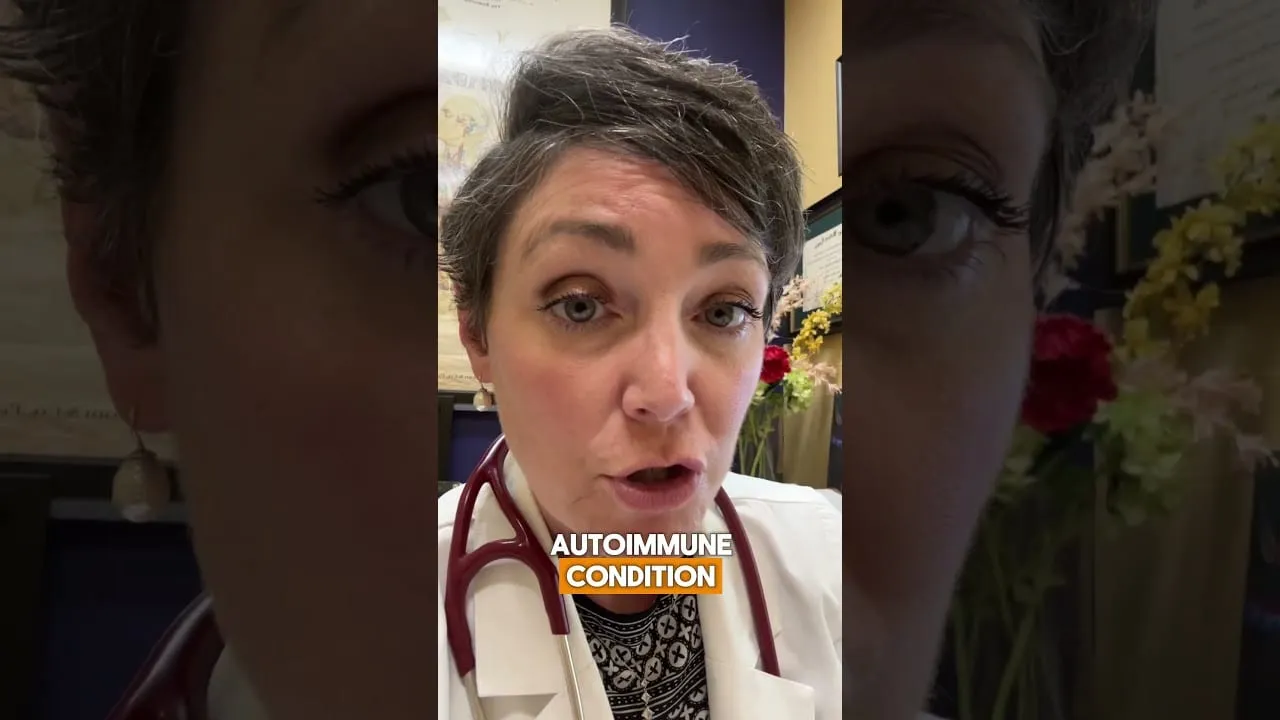
- Type 1 diabetes is an autoimmune condition where the body destroys its own insulin-producing cells, requiring lifelong insulin therapy to stay alive
- Stem cell therapy is still in early stages of research and has not yet proven to be a reliable or widely available treatment
- More large-scale studies are needed before we can understand whether this approach will work for most patients or become a standard therapy
What the Study Found
Researchers recently published findings from a small study examining stem cell therapy as a potential treatment for Type 1 diabetes. According to the report, patients who received this experimental therapy were able to go without insulin injections for several months—an encouraging early signal for a condition that typically requires multiple daily injections or pump therapy for life.
While the timeframe of a few months may not sound long, it represents a meaningful shift for people who have lived with Type 1 diabetes. For context, most people with Type 1 must take insulin every single day to survive, since the body's immune system has destroyed the cells that naturally produce this essential hormone.
Understanding Type 1 Diabetes
Type 1 diabetes is an autoimmune condition in which the body's immune system mistakenly attacks and destroys the insulin-producing beta cells in the pancreas. Once these cells are damaged, the body loses its ability to regulate blood sugar on its own.
Without insulin—whether injected or pumped—blood sugar levels rise to dangerous levels and can become life-threatening. This is why people with Type 1 must rely on insulin therapy for survival, often through multiple daily injections or continuous insulin pumps.
Why Early Stem Cell Results Matter
The idea behind stem cell therapy for Type 1 diabetes is to replace or regenerate the insulin-producing cells that the immune system has destroyed. If successful, this approach could potentially allow people to produce their own insulin again, reducing or eliminating the need for daily injections.
The fact that participants in this small study were able to stop taking insulin for several months is a meaningful proof-of-concept. However, it's important to remember that this is one small study, and results in a handful of patients do not yet prove the therapy will work broadly or consistently.
What Comes Next
Before stem cell therapy could become a standard treatment for Type 1 diabetes, much more research is needed. Larger clinical trials must confirm whether the results hold up in bigger, more diverse groups of patients, how long the effects last, and whether the therapy is safe over the long term.
Researchers and the broader diabetes community will continue to follow these developments closely. While early findings are encouraging, it's important to stay grounded in what the evidence actually shows: one small study with promising early signals, not yet a proven cure or widely available treatment.
Evidence label
Source: YouTube community video. Evidence type: Community video — lay discussion, not peer-reviewed research. Type1Cure is an information and intelligence hub, not a medical advice service. This article summarizes published research and does not provide diagnosis, treatment, or personal medical guidance. Always talk to your own care team before changing anything about your Type 1 diabetes management.
Type1Cure is an information and intelligence hub, not a medical advice service. This article summarizes published research and does not provide diagnosis, treatment, or personal medical guidance. Always talk to your own care team before changing anything about your Type 1 diabetes management.
Related reading
More evidence-labeled coverage across the Type1Cure library.
- Cure ResearchWhat Are Disease-Modifying Therapies for Type 1 Diabetes?Video report, corroborated with 5 indexed studies
- Cure ResearchBeyond Insulin: Why Researchers Are Exploring New Approaches to Type 1 DiabetesVideo report, corroborated with 5 indexed studies
- Cure ResearchUnderstanding Disease-Modifying Therapies: What JDRF is Working TowardVideo report, corroborated with 5 indexed studies
- Cure ResearchStem Cell Research Offers New Hope—But Questions RemainCommunity video — lay discussion, not peer-reviewed research
- Cure ResearchWhat Science Now Knows About Beta Cell Regeneration in Type 1 DiabetesCommunity video — lay discussion, not peer-reviewed research
- Cure ResearchWhat We Know About Beta Cell Regeneration Research in DiabetesCommunity video — lay discussion, not peer-reviewed research