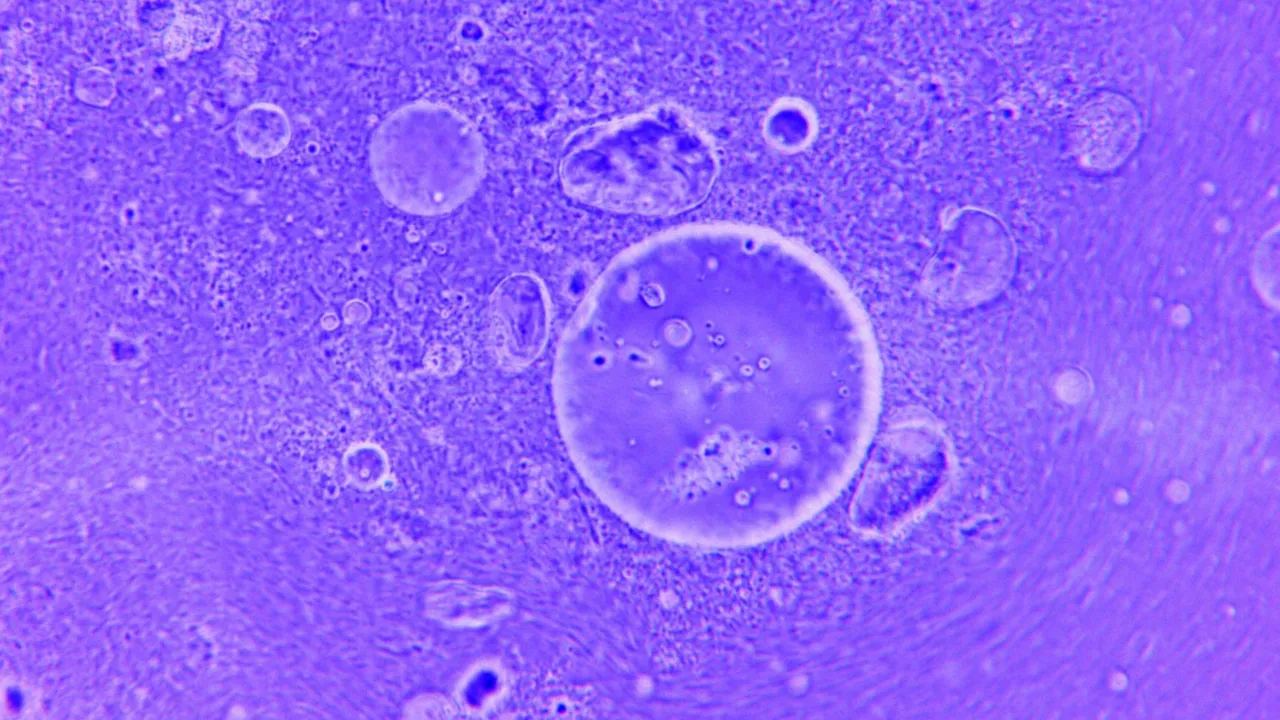
Can Beta Cells Regenerate in Type 1 Diabetes? What Research Shows
Scientists are exploring whether the insulin-producing beta cells damaged in Type 1 diabetes can be regenerated. Here's what the current research landscape looks like and why this question matters.
Evidence label explains the kind of source behind this article (for example peer-reviewed literature vs community video). It is not medical advice.
Key takeaways
- Type 1 and Type 1.5 diabetes destroy insulin-producing beta cells in the pancreas, requiring insulin treatment to manage blood glucose
- Beta cell regeneration is an active area of research that many people living with Type 1 diabetes are interested in learning about
- Understanding the current state of regeneration research can help inform conversations with your healthcare team about diabetes management
Why Beta Cell Regeneration Matters
Type 1 and Type 1.5 diabetes are chronic autoimmune conditions in which the body's immune system attacks and destroys beta cells—the cells in the pancreas that produce insulin. Once these cells are damaged, the body cannot produce enough insulin on its own, making insulin therapy necessary to manage blood glucose levels.
Because of the significant impact beta cell loss has on daily diabetes management, many people living with Type 1 diabetes are naturally interested in whether these cells could someday be regenerated or restored.
The Current State of Beta Cell Regeneration Research
Scientists around the world are actively investigating whether beta cell regeneration is possible. This research explores how beta cells might be restored or replaced, though it remains an evolving field with many questions still being studied.
What You Can Do Today
While research into beta cell regeneration continues, managing your diabetes health through proven strategies—such as working closely with your healthcare team, monitoring blood glucose, and maintaining overall wellness—remains the foundation of good diabetes care. Talk with your doctor about what approaches are right for your individual situation.
Evidence label
Origin: YouTube / Mastering Diabetes (Video report). Evidence: Video report — unverified, pending corroboration. Type1Cure is an information and intelligence hub, not a medical advice service. This article summarizes published research and does not provide diagnosis, treatment, or personal medical guidance. Always talk to your own care team before changing anything about your Type 1 diabetes management.
Type1Cure is an information and intelligence hub, not a medical advice service. This article summarizes published research and does not provide diagnosis, treatment, or personal medical guidance. Always talk to your own care team before changing anything about your Type 1 diabetes management.
Related reading
More evidence-labeled coverage across the Type1Cure library.
- Cure & AdvancementsCell Replacement Therapy: A New Frontier in Type 1 Diabetes ResearchVideo report, corroborated with 5 indexed studies
- Cure & AdvancementsWhy Beta Cells Die in Type 1 Diabetes While Alpha Cells SurviveNews report, corroborated with 2 indexed studies
- Cure & AdvancementsEarly Trial Shows Some People with Type 1 Diabetes Can Reduce or Stop Insulin—Here's What We KnowNews report, corroborated with 3 indexed studies
- Cure & AdvancementsBeta Cell Therapy: Moving From Lab Promise to Real-World TreatmentVideo report, corroborated with 2 indexed studies
- Cure & AdvancementsUnderstanding the Eleodon Trial: What Early Results ShowVideo report — unverified, pending corroboration
- Cure & AdvancementsIslet Cell Therapies Advance: What You Need to KnowNews report, corroborated with 3 indexed studies