Lab-Grown Islet Cells: What You Need to Know About This Emerging Approach
Researchers are developing ways to grow insulin-producing cells in the laboratory and transplant them back into people with Type 1 diabetes. Here's what the science shows so far—and what questions remain.
Evidence label explains the kind of source behind this article (for example peer-reviewed literature vs community video). It is not medical advice.
Key takeaways
- Islet cells are clusters of cells in the pancreas that contain beta cells, which produce insulin in response to food and drink
- In Type 1 diabetes, the immune system mistakenly attacks and destroys these beta cells, stopping insulin production
- Scientists can now grow islet cells in laboratories and transplant them into people with Type 1 diabetes
- Lab-grown islet cells can monitor blood glucose and secrete insulin after transplantation
- This approach shows promise but is not yet a complete solution and will not be available to everyone
Understanding Islet Cells and What Goes Wrong in Type 1
Islet cells are small clusters of specialized cells found throughout the pancreas. Inside these clusters are beta cells, which have a critical job: they sense when you eat or drink and respond by producing insulin to help your body use glucose for energy.
In Type 1 diabetes, the immune system attacks and destroys these beta cells. When enough beta cells are lost, the pancreas can no longer produce the insulin your body needs—which is why people with Type 1 require insulin therapy.
A New Possibility: Growing Islet Cells in the Lab
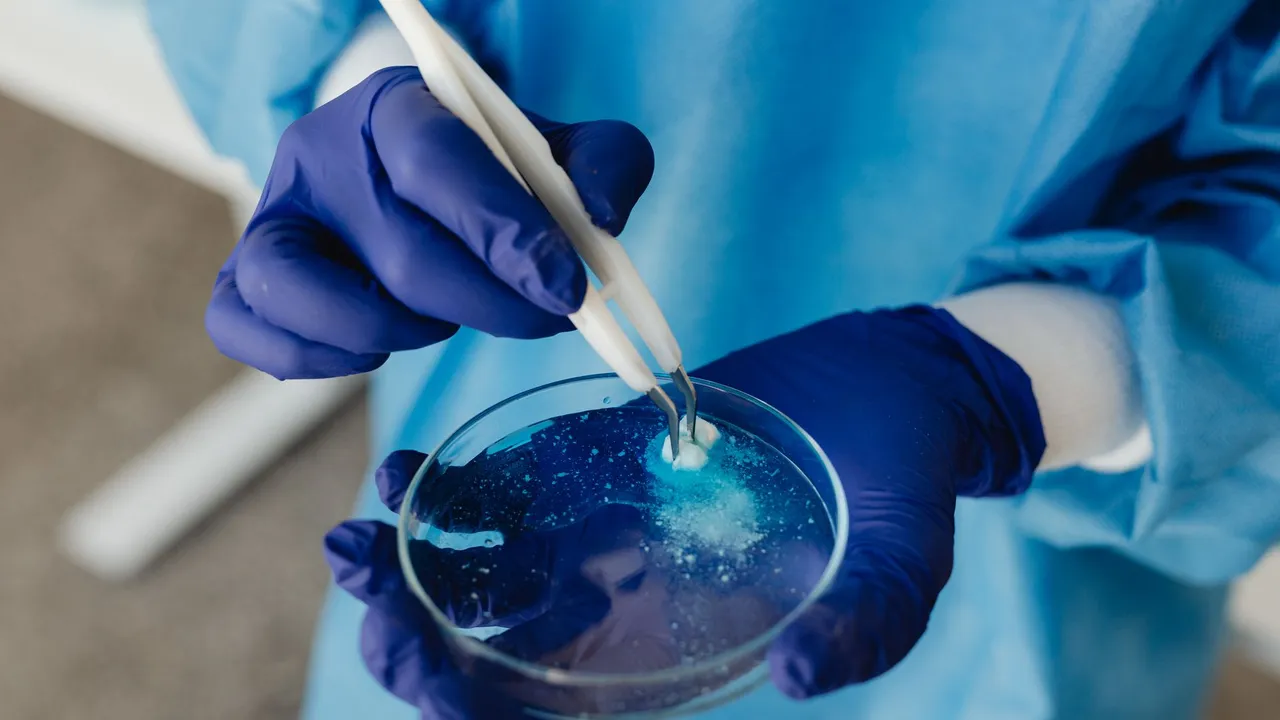
Researchers have developed the ability to grow islet cells in laboratory settings. The goal is straightforward: create functional islet cells outside the body, then transplant them back into people with Type 1 diabetes.
Once transplanted, these lab-grown cells can monitor blood glucose levels and produce insulin, mimicking what healthy islet cells do naturally. This represents a significant advance in how scientists think about replacing lost insulin-producing capacity.
Important Limitations and What Comes Next
While lab-grown islet cell transplantation is a promising area of research, it is not yet a complete solution for Type 1 diabetes. The approach shows real potential, but significant work remains to make it safe, effective, and accessible.
Additionally, this treatment will not be available to everyone—at least not immediately. As this technology continues to develop, researchers will need to address questions about cost, access, surgical procedures, and long-term outcomes.
For now, this represents an important direction in Type 1 diabetes research that deserves attention and hope, even as we recognize we are still in the early stages of understanding how it will fit into future treatment options.
Evidence label
Origin: YouTube / Taking Control Of Your Diabetes® (Video report). Evidence: Video report — unverified, pending corroboration. Type1Cure is an information and intelligence hub, not a medical advice service. This article summarizes published research and does not provide diagnosis, treatment, or personal medical guidance. Always talk to your own care team before changing anything about your Type 1 diabetes management.
Type1Cure is an information and intelligence hub, not a medical advice service. This article summarizes published research and does not provide diagnosis, treatment, or personal medical guidance. Always talk to your own care team before changing anything about your Type 1 diabetes management.
Related reading
More evidence-labeled coverage across the Type1Cure library.
- Cure & AdvancementsCell Replacement Therapy: A New Frontier in Type 1 Diabetes ResearchVideo report, corroborated with 5 indexed studies
- Cure & AdvancementsWhy Beta Cells Die in Type 1 Diabetes While Alpha Cells SurviveNews report, corroborated with 2 indexed studies
- Cure & AdvancementsEarly Trial Shows Some People with Type 1 Diabetes Can Reduce or Stop Insulin—Here's What We KnowNews report, corroborated with 3 indexed studies
- Cure & AdvancementsBeta Cell Therapy: Moving From Lab Promise to Real-World TreatmentVideo report, corroborated with 2 indexed studies
- Cure & AdvancementsUnderstanding the Eleodon Trial: What Early Results ShowVideo report — unverified, pending corroboration
- Cure & AdvancementsIslet Cell Therapies Advance: What You Need to KnowNews report, corroborated with 3 indexed studies