Early Research Shows Promise for Beta Cell Regeneration in Mice
Scientists combined a plant compound with a common diabetes medication and observed significant growth in insulin-producing cells in a laboratory study. Here's what this early work means for the Type 1 diabetes community.
Evidence label explains the kind of source behind this article (for example peer-reviewed literature vs community video). It is not medical advice.
Key takeaways
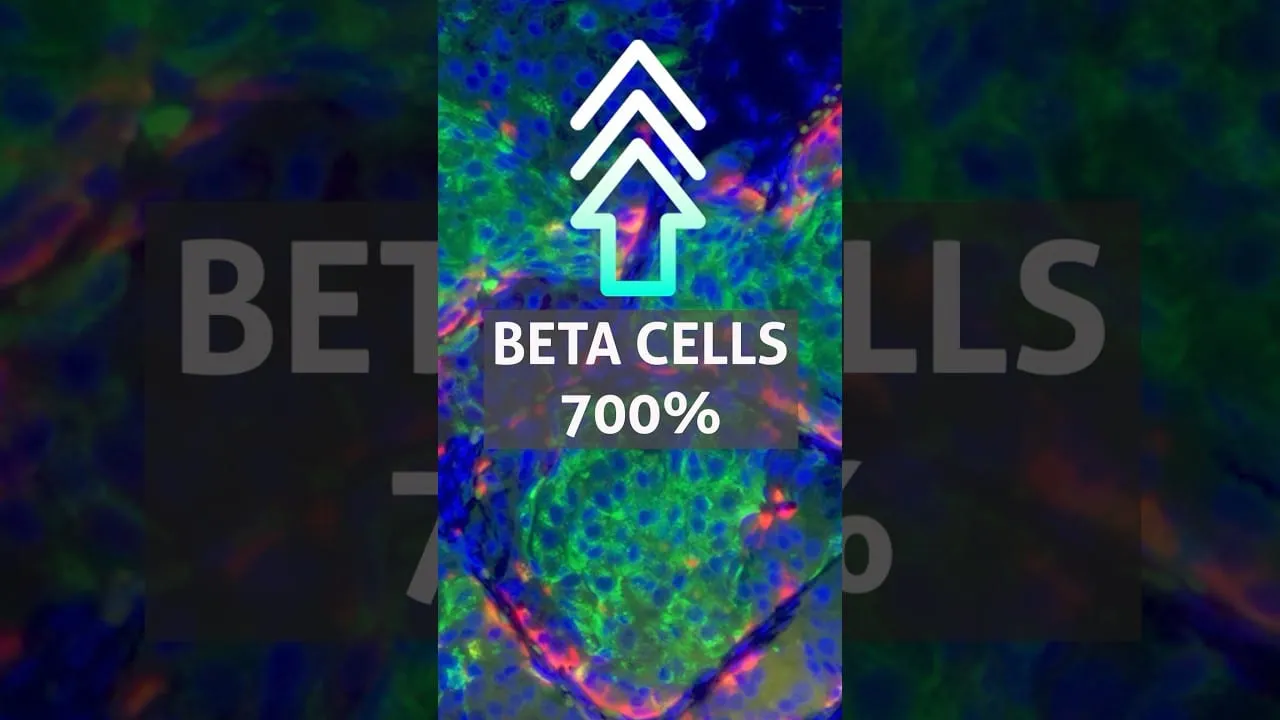
- Researchers observed a 700% increase in human beta cells over 3 months when combining harmine (a plant-derived compound) with GLP-1 receptor agonists in mice
- This is early-stage laboratory research conducted in mice without immune systems—not yet tested in humans with Type 1 diabetes
- The next step would involve combining beta cell regeneration approaches with immune-controlling treatments to address why the immune system attacks beta cells in Type 1 diabetes
- This research is one of many approaches being explored to restore insulin production, but much testing lies ahead before any clinical application
What Researchers Tested
In a laboratory study, researchers injected human beta cells (the insulin-producing cells damaged in Type 1 diabetes) into mice that lacked immune systems. They then treated these mice with a combination of harmine—a natural compound found in some plants—plus GLP-1 receptor agonists, a class of medication already used to treat Type 2 diabetes.
Over three months, the human beta cells in the treated mice increased by 700%. According to the researchers, this is the first time this particular combination has been shown to increase human beta cells in a living organism.
Why This Matters—and What's Still Unknown
Restoring or regenerating beta cells is a major goal in Type 1 diabetes research, since the condition stems from the immune system destroying these cells. If scientists could reliably grow new beta cells and keep them safe from immune attack, it could significantly improve insulin production in affected individuals.
However, this study was conducted in mice without immune systems. In people with Type 1 diabetes, the immune system actively attacks beta cells. This crucial difference means the next phase of research must address immune control alongside beta cell growth.
What Comes Next
Researchers indicate their plan is to test beta cell regeneration approaches combined with immunomodulators—treatments designed to control or calm the immune response. This two-pronged strategy would aim to both grow new beta cells and prevent the immune system from destroying them.
This research remains in very early stages. Significant additional work is needed before any approach of this kind could be tested in people with Type 1 diabetes.
Evidence label
Source: YouTube community video. Evidence type: Community video — lay discussion, not peer-reviewed research. Type1Cure is an information and intelligence hub, not a medical advice service. This article summarizes published research and does not provide diagnosis, treatment, or personal medical guidance. Always talk to your own care team before changing anything about your Type 1 diabetes management.
Type1Cure is an information and intelligence hub, not a medical advice service. This article summarizes published research and does not provide diagnosis, treatment, or personal medical guidance. Always talk to your own care team before changing anything about your Type 1 diabetes management.
Related reading
More evidence-labeled coverage across the Type1Cure library.
- Cure ResearchWhat Are Disease-Modifying Therapies for Type 1 Diabetes?Video report, corroborated with 5 indexed studies
- Cure ResearchBeyond Insulin: Why Researchers Are Exploring New Approaches to Type 1 DiabetesVideo report, corroborated with 5 indexed studies
- Cure ResearchUnderstanding Disease-Modifying Therapies: What JDRF is Working TowardVideo report, corroborated with 5 indexed studies
- Cure ResearchStem Cell Research Offers New Hope—But Questions RemainCommunity video — lay discussion, not peer-reviewed research
- Cure ResearchWhat Science Now Knows About Beta Cell Regeneration in Type 1 DiabetesCommunity video — lay discussion, not peer-reviewed research
- Cure ResearchWhat We Know About Beta Cell Regeneration Research in DiabetesCommunity video — lay discussion, not peer-reviewed research