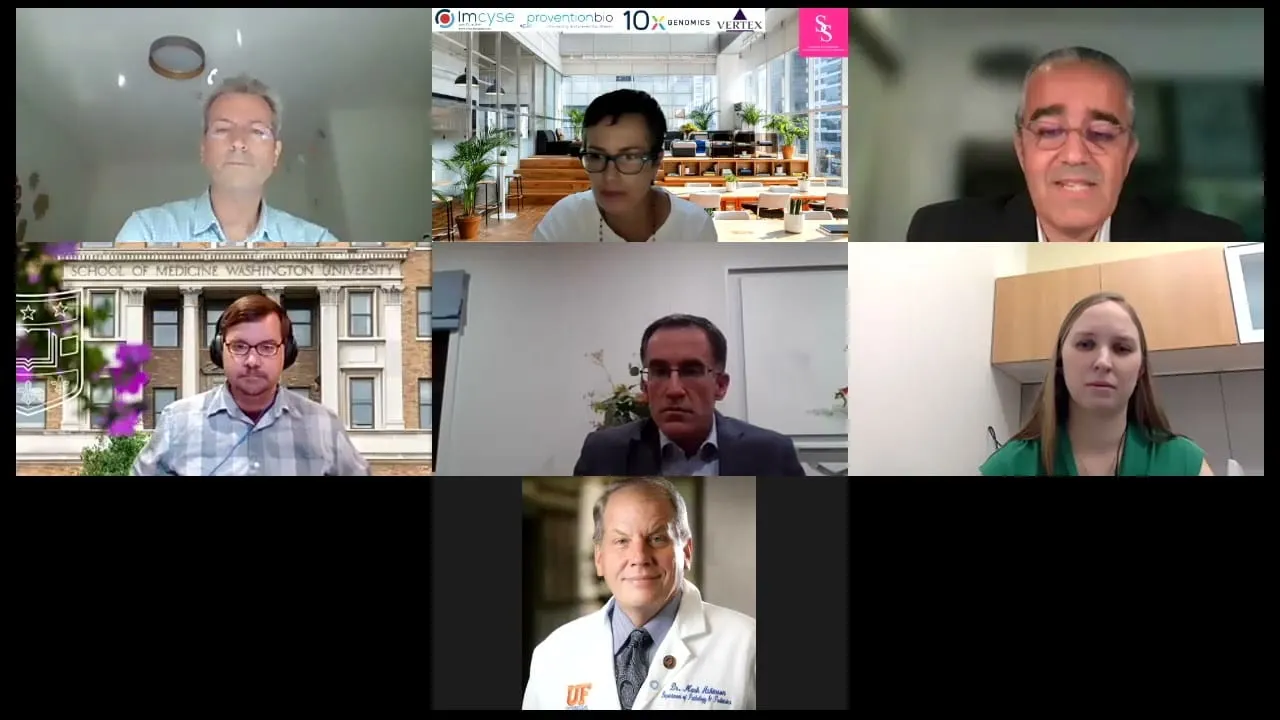
Global Scientists Gather to Discuss Prevention and the Future of Type 1 Diabetes
A panel of international researchers convened to explore what prevention and remission might mean for people at risk of or living with Type 1 diabetes. The discussion highlighted the evolving landscape of T1D research.
Evidence label explains the kind of source behind this article (for example peer-reviewed literature vs community video). It is not medical advice.
Key takeaways
- Prevention and remission are distinct concepts that researchers are actively studying
- International collaboration is bringing together expertise from multiple continents to advance T1D science
- The field is exploring multiple approaches to delaying or preventing Type 1 diabetes onset
- Community engagement and expert discussion help translate emerging research for broader audiences
Bringing Global Expertise Together
Researchers from Belgium, Australia, and across the United States recently gathered for an in-depth discussion on one of the most pressing questions in Type 1 diabetes research: can we prevent T1D, achieve remission, or move toward a cure?
The conversation, part of the State of the Science series, brought together leading scientists to exchange ideas and debate current evidence in an open, respectful format designed for community members seeking to understand where the field stands.
Exploring Prevention and Remission
The panel focused on distinguishing between prevention—stopping T1D from developing in people at risk—and remission, which relates to managing disease in those already diagnosed. These are different goals requiring different research approaches.
The discussion reflected the real work happening in laboratories and clinics worldwide, where scientists are testing various strategies to alter the course of Type 1 diabetes.
Community Questions Drive the Conversation
The format encouraged direct engagement, with community members submitting questions throughout the session and voting on topics most important to them. This interactive approach helped ensure the panel addressed real concerns from patients, parents, and caregivers.
By making space for open debate and audience participation, the event reflected a commitment to transparency about what researchers know, what remains uncertain, and where the field is heading.
Evidence label
Source: YouTube community video. Evidence type: Community video — lay discussion, not peer-reviewed research. Type1Cure is an information and intelligence hub, not a medical advice service. This article summarizes published research and does not provide diagnosis, treatment, or personal medical guidance. Always talk to your own care team before changing anything about your Type 1 diabetes management.
Type1Cure is an information and intelligence hub, not a medical advice service. This article summarizes published research and does not provide diagnosis, treatment, or personal medical guidance. Always talk to your own care team before changing anything about your Type 1 diabetes management.
Related reading
More evidence-labeled coverage across the Type1Cure library.
- Cure ResearchStem Cell Research Offers New Hope—But Questions RemainCommunity video — lay discussion, not peer-reviewed research
- Cure ResearchWhat Science Now Knows About Beta Cell Regeneration in Type 1 DiabetesCommunity video — lay discussion, not peer-reviewed research
- Cure ResearchWhat We Know About Beta Cell Regeneration Research in DiabetesCommunity video — lay discussion, not peer-reviewed research
- Cure ResearchCan Beta Cells Recover? What Research Shows About Pancreatic Function and Type 2 DiabetesCommunity video — lay discussion, not peer-reviewed research
- Cure ResearchWhat Is the Islet Cell Act? A Guide to Proposed Changes in Transplant RegulationCommunity video — lay discussion, not peer-reviewed research
- Cure ResearchUnderstanding Beta Cell Function in Type 2 Diabetes: What Research ShowsCommunity video — lay discussion, not peer-reviewed research