A Three-Pronged Approach to Resetting the Immune System in Type 1 Diabetes
Researchers at a diabetes center are exploring a combined strategy to address why single-approach clinical trials have had limited long-term success. The collaboration examines how combining multiple immune-targeting methods might offer more sustained benefit.
Evidence label explains the kind of source behind this article (for example peer-reviewed literature vs community video). It is not medical advice.
Key takeaways
- Type 1 diabetes occurs when T cells in the immune system mistakenly attack insulin-producing cells in the pancreas
- Previous clinical trials using single approaches—either eliminating problematic T cells or increasing their regulation—have shown only short-term effects
- A new collaborative research effort is testing whether combining multiple strategies could achieve longer-lasting results
- One approach being studied is complete immune system reset using chemotherapy-type methods, which has shown promise in halting diabetes progression
- This research is exploratory; it represents scientific inquiry rather than a tested treatment
Understanding the Problem
Type 1 diabetes develops when the immune system attacks the cells in the pancreas that produce insulin. The immune system, which normally protects the body from viruses and bacteria, mistakenly identifies these insulin-producing cells as threats and destroys them. This autoimmune attack is driven by T cells—a type of white blood cell that plays a central role in immune response.
Why Current Approaches Have Limitations
Over the years, clinical trials have tested two main strategies to stop or reverse Type 1 diabetes. One approach aims to eliminate the harmful T cells responsible for the autoimmune attack. The other seeks to increase the body's natural regulation of these same T cells, essentially teaching the immune system not to attack.
While both strategies have shown some short-term effects, neither has successfully halted or reversed Type 1 diabetes for extended periods. This pattern suggests that a single approach may not be sufficient to achieve lasting disease control.
A New Collaborative Strategy
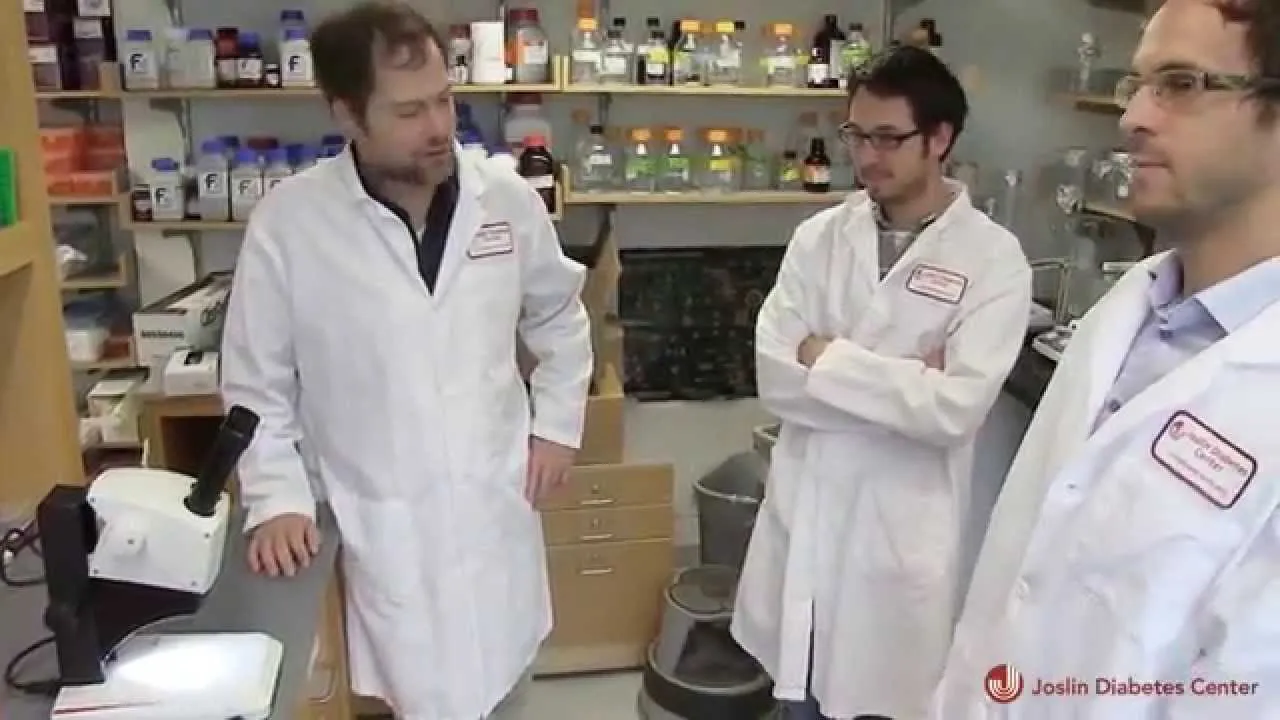
Researchers at the Jon diabetes center are pursuing a different path: combining multiple approaches into what they call a three-pronged strategy. The researchers, including Assistant Professor Tom Serwal and his colleagues Stephan Kler and Pungy, are investigating whether using complementary methods together could produce stronger and more durable results than any single approach alone.
One strategy being explored involves complete immune system reset using methods similar to chemotherapy. Early observations suggest this approach may help halt the progression of Type 1 diabetes, though research in this area is ongoing.
What This Means
This research represents an important shift in thinking about Type 1 diabetes treatment—moving from single-target approaches to combined strategies that address the disease from multiple angles. The collaboration is exploring fundamental immunology questions that may eventually inform future therapeutic approaches.
However, this work remains in the exploratory research phase. Results from laboratory studies and theoretical models do not yet translate into treatments available to patients. Additional research, clinical testing, and regulatory review would be necessary before any potential therapy could be considered for human use.
Evidence label
Source: YouTube community video. Evidence type: Community video — lay discussion, not peer-reviewed research. Type1Cure is an information and intelligence hub, not a medical advice service. This article summarizes published research and does not provide diagnosis, treatment, or personal medical guidance. Always talk to your own care team before changing anything about your Type 1 diabetes management.
Type1Cure is an information and intelligence hub, not a medical advice service. This article summarizes published research and does not provide diagnosis, treatment, or personal medical guidance. Always talk to your own care team before changing anything about your Type 1 diabetes management.
Related reading
More evidence-labeled coverage across the Type1Cure library.
- Cure ResearchWhat Are Disease-Modifying Therapies for Type 1 Diabetes?Video report, corroborated with 5 indexed studies
- Cure ResearchBeyond Insulin: Why Researchers Are Exploring New Approaches to Type 1 DiabetesVideo report, corroborated with 5 indexed studies
- Cure ResearchUnderstanding Disease-Modifying Therapies: What JDRF is Working TowardVideo report, corroborated with 5 indexed studies
- Cure ResearchStem Cell Research Offers New Hope—But Questions RemainCommunity video — lay discussion, not peer-reviewed research
- Cure ResearchWhat Science Now Knows About Beta Cell Regeneration in Type 1 DiabetesCommunity video — lay discussion, not peer-reviewed research
- Cure ResearchWhat We Know About Beta Cell Regeneration Research in DiabetesCommunity video — lay discussion, not peer-reviewed research