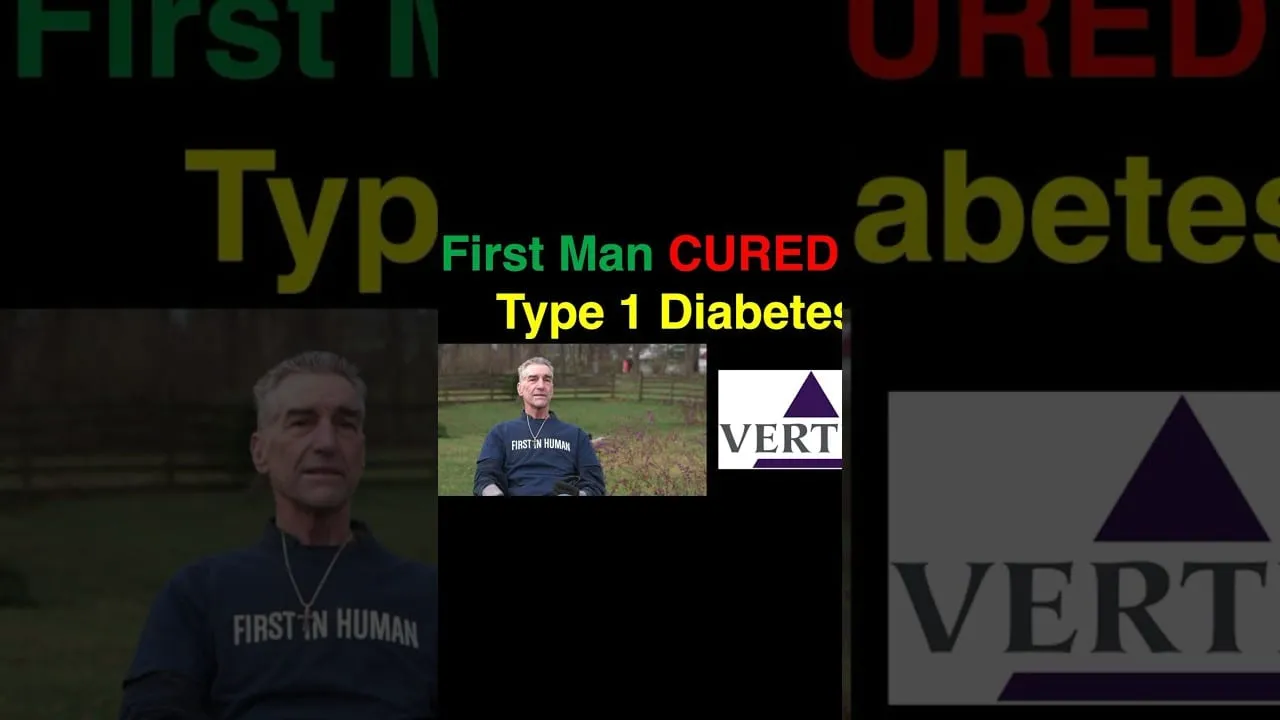
Stem Cell Therapy Shows Promise in Early Type 1 Diabetes Trial
A small clinical trial of stem cell treatment has restored insulin production in participants with Type 1 diabetes. Researchers are exploring whether this approach could reduce or eliminate the need for insulin injections.
Evidence label explains the kind of source behind this article (for example peer-reviewed literature vs community video). It is not medical advice.
Key takeaways
- A stem cell therapy replaced damaged insulin-producing cells with healthy transplanted beta cells in six trial participants
- All participants showed improved insulin production, better blood sugar control, and reduced or eliminated insulin injections
- The treatment currently requires immunosuppressant medications to prevent the body from rejecting the new cells
- No serious side effects were reported in this early trial, though research is ongoing
- This is an early-stage finding; much more research is needed before this approach becomes widely available
What Happened in the Trial
Researchers at Vertex Pharmaceuticals conducted a clinical trial of a stem cell therapy involving six people with Type 1 diabetes. The treatment involved transplanting healthy beta cells—the insulin-producing cells damaged in Type 1 diabetes—to replace those that no longer function properly.
According to reports of the trial results, all six participants showed significant restoration of insulin production after treatment. Their A1C levels improved, meaning their average blood sugar control got better. Participants also experienced better time in range (the percentage of time their blood sugar stayed in target levels) and either reduced their insulin injections or stopped needing them entirely.
How the Treatment Works
The therapy aims to address the root cause of Type 1 diabetes: the loss of functional beta cells. By transplanting new, healthy beta cells, researchers are attempting to restore the body's natural ability to produce and release insulin in response to meals.
Because the transplanted cells come from an outside source, participants must take immunosuppressant medications to prevent their immune system from rejecting the new cells. This is a significant practical consideration, as these medications require ongoing monitoring.
What This Means Right Now
This trial represents early progress in stem cell research for Type 1 diabetes. The fact that all six participants showed improved insulin production and better blood sugar control is encouraging. No serious side effects were reported, which is important for safety assessment.
However, this is a very small trial in its early stages. Much more research is needed—including larger trials with more participants and longer follow-up—before we know whether this approach will become a standard treatment option. Researchers are also working on ways to reduce or eliminate the need for immunosuppressant medications.
If you or a loved one has Type 1 diabetes and are interested in clinical trials, talk with your healthcare team about what research studies may be available to you.
Evidence label
Source: YouTube community video. Evidence type: Community video — lay discussion, not peer-reviewed research. Type1Cure is an information and intelligence hub, not a medical advice service. This article summarizes published research and does not provide diagnosis, treatment, or personal medical guidance. Always talk to your own care team before changing anything about your Type 1 diabetes management.
Type1Cure is an information and intelligence hub, not a medical advice service. This article summarizes published research and does not provide diagnosis, treatment, or personal medical guidance. Always talk to your own care team before changing anything about your Type 1 diabetes management.
Related reading
More evidence-labeled coverage across the Type1Cure library.
- Cure ResearchWhat Are Disease-Modifying Therapies for Type 1 Diabetes?Video report, corroborated with 5 indexed studies
- Cure ResearchBeyond Insulin: Why Researchers Are Exploring New Approaches to Type 1 DiabetesVideo report, corroborated with 5 indexed studies
- Cure ResearchUnderstanding Disease-Modifying Therapies: What JDRF is Working TowardVideo report, corroborated with 5 indexed studies
- Cure ResearchStem Cell Research Offers New Hope—But Questions RemainCommunity video — lay discussion, not peer-reviewed research
- Cure ResearchWhat Science Now Knows About Beta Cell Regeneration in Type 1 DiabetesCommunity video — lay discussion, not peer-reviewed research
- Cure ResearchWhat We Know About Beta Cell Regeneration Research in DiabetesCommunity video — lay discussion, not peer-reviewed research