Why We Can't Report on This CRISPR Claim
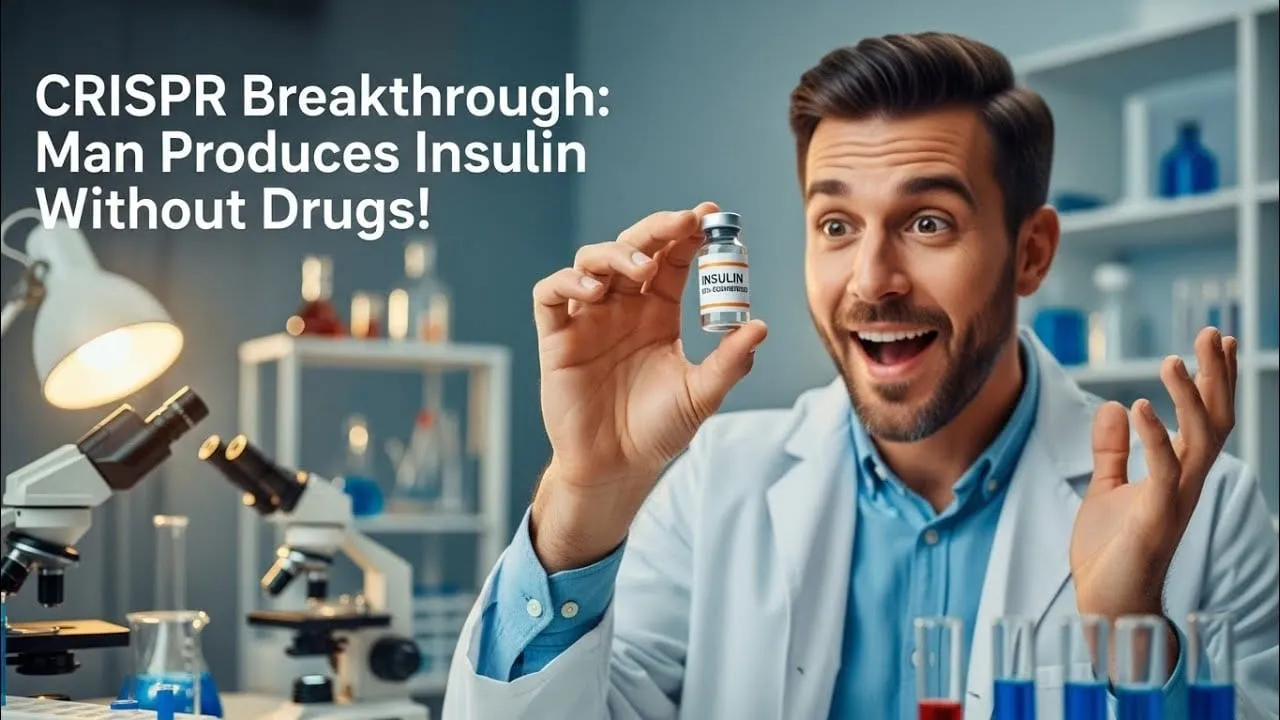
A viral video makes bold promises about Type 1 diabetes and CRISPR gene editing, but lacks the scientific evidence needed to inform our community.
Evidence label explains the kind of source behind this article (for example peer-reviewed literature vs community video). It is not medical advice.
Key takeaways
- The source provided is a YouTube community video, not peer-reviewed research
- Type1Cure only reports on findings that have been published in scientific journals and vetted by expert reviewers
- Community videos, while sometimes engaging, cannot substitute for rigorous clinical evidence
- If CRISPR research for Type 1 diabetes advances, we'll cover it when it appears in peer-reviewed literature
What We Can and Cannot Report
Type1Cure is committed to sharing accurate information about Type 1 diabetes research with our community. That means we only report on findings that have been published in peer-reviewed scientific journals—studies that have been checked carefully by other experts in the field.
The source you've shared is a YouTube community video. While it discusses CRISPR gene editing and makes claims about insulin production, it has not undergone peer review. We cannot verify its claims, methods, or outcomes, so we cannot report it as established science.
Why Peer Review Matters
When research is published in a peer-reviewed journal, other scientists examine the study design, data, and conclusions before it becomes public. This process helps catch errors, prevents overstated claims, and ensures the science is sound.
Community videos and social media posts, no matter how well-intentioned, do not go through this vetting process. They may contain inaccuracies or misunderstandings about how gene editing works or what results were actually achieved.
Looking Ahead
CRISPR and other gene-editing approaches are active areas of Type 1 diabetes research. If promising findings emerge and are published in credible scientific journals, Type1Cure will cover them accurately and carefully.
We encourage you to stay skeptical of bold claims on social media, and to seek out information from peer-reviewed sources, your healthcare team, and trusted organizations in the diabetes community. That's how we all stay informed and hopeful without being misled.
Evidence label
Source: YouTube community video. Evidence type: Community video — lay discussion, not peer-reviewed research. Type1Cure is an information and intelligence hub, not a medical advice service. This article summarizes published research and does not provide diagnosis, treatment, or personal medical guidance. Always talk to your own care team before changing anything about your Type 1 diabetes management.
Type1Cure is an information and intelligence hub, not a medical advice service. This article summarizes published research and does not provide diagnosis, treatment, or personal medical guidance. Always talk to your own care team before changing anything about your Type 1 diabetes management.
Related reading
More evidence-labeled coverage across the Type1Cure library.
- Cure ResearchWhat Are Disease-Modifying Therapies for Type 1 Diabetes?Video report, corroborated with 5 indexed studies
- Cure ResearchBeyond Insulin: Why Researchers Are Exploring New Approaches to Type 1 DiabetesVideo report, corroborated with 5 indexed studies
- Cure ResearchUnderstanding Disease-Modifying Therapies: What JDRF is Working TowardVideo report, corroborated with 5 indexed studies
- Cure ResearchStem Cell Research Offers New Hope—But Questions RemainCommunity video — lay discussion, not peer-reviewed research
- Cure ResearchWhat Science Now Knows About Beta Cell Regeneration in Type 1 DiabetesCommunity video — lay discussion, not peer-reviewed research
- Cure ResearchWhat We Know About Beta Cell Regeneration Research in DiabetesCommunity video — lay discussion, not peer-reviewed research