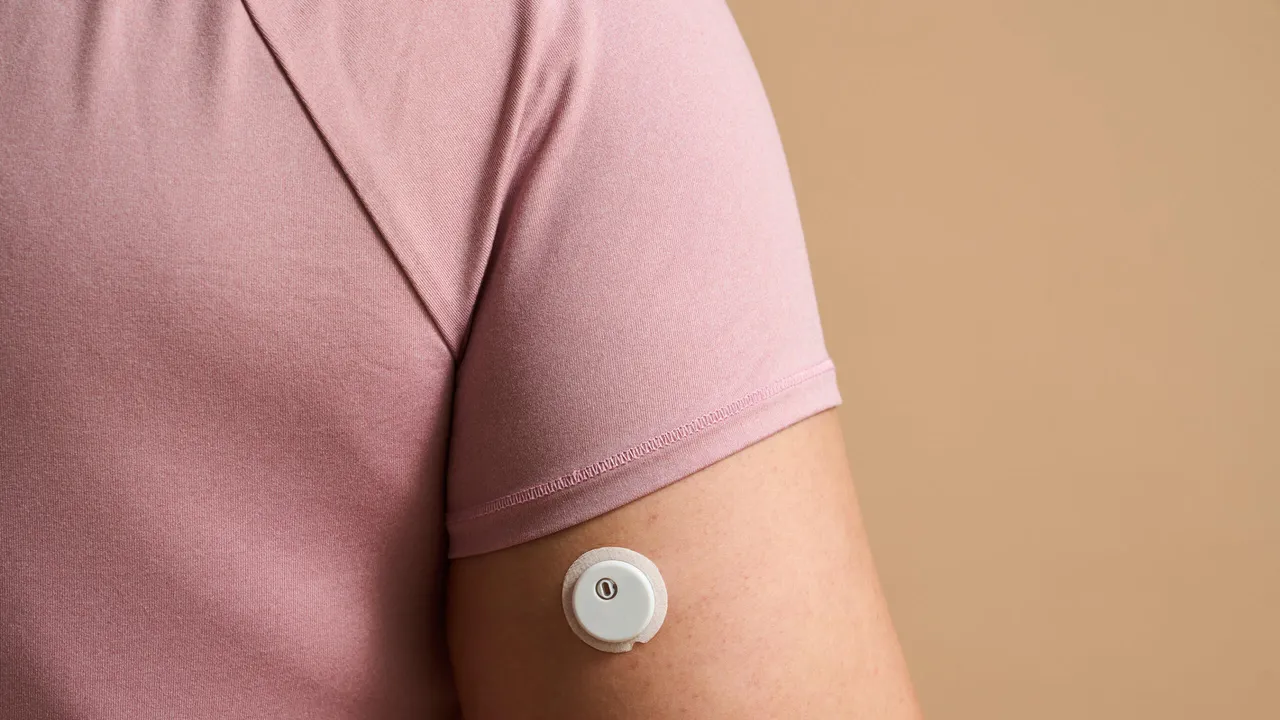
A New Tool for Ketone Monitoring: What the FDA Approval Means for Type 1 Diabetes
The FDA recently approved the first device that continuously monitors both glucose and ketones, offering people with Type 1 diabetes a new way to detect dangerous ketone levels early. Here's what you need to know.
Evidence label explains the kind of source behind this article (for example peer-reviewed literature vs community video). It is not medical advice.
Key takeaways
- Abbott's Libre Duo 10 Day is the first FDA-approved device that monitors both glucose and ketones continuously, approved for ages 2 and up.
- Many people with Type 1 diabetes don't regularly check their ketone levels at home, which increases the risk of missing early warning signs of diabetic ketoacidosis (DKA).
- Early detection of rising ketone levels through continuous monitoring can help prevent DKA, a potentially life-threatening emergency that requires immediate medical care.
- Up to 80% of children and adolescents are diagnosed with Type 1 diabetes after presenting with DKA, making early detection tools especially important for young people.
Why Ketone Monitoring Matters
Diabetic ketoacidosis (DKA) is a serious medical emergency that occurs when the body doesn't have enough insulin. Without sufficient insulin, the body breaks down fat for energy, producing ketones—acids that build up in the blood. When ketone levels become very high, they can poison the bloodstream and require emergency medical care.
DKA is a real concern for people with Type 1 diabetes. Research shows that 4% to 8% of adults with Type 1 diabetes experience DKA each year. For children and adolescents, the numbers are even more striking: up to 80% present with DKA at the time of their initial Type 1 diabetes diagnosis.
Despite how serious DKA is, many people with Type 1 diabetes don't have ketone testing supplies at home and rarely—or never—check their ketone levels. This gap in monitoring can delay recognition of rising ketone levels, reducing the opportunity for early intervention.
Introducing Dual Glucose-Ketone Monitoring
In October 2026, the U.S. Food and Drug Administration approved Abbott's Libre Duo 10 Day, marking a significant milestone: it is the world's first device to continuously monitor both glucose and ketones. The device is approved for use in people ages 2 and older, including very young children.
The major advantage of dual monitoring is early detection. By tracking ketone levels in real time, people with Type 1 diabetes and their families can spot rising ketones before they reach dangerous levels. This early warning gives them the opportunity to take action—such as consulting their healthcare provider—before a medical emergency develops.
For those at higher risk of DKA, this technology offers a particularly valuable safety net. The device puts continuous ketone information directly into the hands of patients and caregivers, removing the need to remember to test periodically or to have testing supplies on hand.
What Can Raise Ketone Levels
Several factors can influence ketone production in people with Type 1 diabetes. Changes in blood sugar levels, insulin doses, and insulin resistance can all affect how many ketones the body produces. Understanding these triggers can help people anticipate when they might need to pay closer attention to their ketone levels.
Certain medications can also influence ketone risk. For example, a class of drugs called SGLT2 inhibitors (which lower blood sugar by preventing the kidneys from reabsorbing glucose) can affect ketone formation, which is why anyone taking these medications should be aware of their impact on ketone levels.
Looking Ahead
The approval of the first dual glucose-ketone monitoring device represents an important advance in Type 1 diabetes technology. By making ketone monitoring continuous and accessible, this tool has the potential to help more people detect early warning signs of DKA and prevent this serious complication.
While this technology is now available, it is one part of a comprehensive approach to Type 1 diabetes management. People with Type 1 diabetes should work with their healthcare team to understand how to use this tool as part of their overall care plan.
Evidence label
Origin: breakthrought1d.org (News report). Evidence: News report, corroborated with 3 indexed studies. Type1Cure is an information and intelligence hub, not a medical advice service. This article summarizes published research and does not provide diagnosis, treatment, or personal medical guidance. Always talk to your own care team before changing anything about your Type 1 diabetes management.
Type1Cure is an information and intelligence hub, not a medical advice service. This article summarizes published research and does not provide diagnosis, treatment, or personal medical guidance. Always talk to your own care team before changing anything about your Type 1 diabetes management.
Related reading
More evidence-labeled coverage across the Type1Cure library.
- Diagnosis & Early DetectionUnderstanding the Stages of Type 1 Diabetes: From Invisible to DiagnosisVideo report, corroborated with 3 indexed studies
- Diagnosis & Early DetectionWhy Family Members Should Know About Type 1 Diabetes ScreeningVideo report, corroborated with 5 indexed studies
- Diagnosis & Early DetectionGenetic Screening May Help Identify Type 1 Diabetes in AdultsNews report, corroborated with 3 indexed studies
- Diagnosis & Early DetectionA Simple Blood Test May Help Doctors Assess How Severe Your DKA IsPubMed indexed literature
- Diagnosis & Early DetectionUnderstanding Type 1 Diabetes Screening: What Happens Before DiagnosisVideo report, corroborated with 3 indexed studies
- Diagnosis & Early DetectionA New Approach to Finding Type 1 Diabetes Early: Testing During Routine CheckupsPubMed indexed literature