Understanding Type 1 Diabetes Screening: What Happens Before Diagnosis
New screening programs can identify type 1 diabetes in its earliest stages, before symptoms appear. Here's what you need to know about the stages of disease development and what monitoring looks like.
Evidence label explains the kind of source behind this article (for example peer-reviewed literature vs community video). It is not medical advice.
Key takeaways
- Type 1 diabetes develops in stages. Screening can catch it at stage 1 or 2, before stage 3 when symptoms typically appear.
- Finding autoantibodies early—signs the immune system is attacking the pancreas—gives families time to prepare and may reduce the risk of diabetic ketoacidosis (DKA) at diagnosis.
- People identified through screening will need regular monitoring, including glucose checks and education about diabetes symptoms.
- Partnerships between endocrinologists and primary-care providers help manage care for people identified through screening.
- Those with multiple autoantibodies progress faster than those with a single autoantibody.
The Stages of Type 1 Diabetes
Type 1 diabetes doesn't appear overnight. It develops over time in identifiable stages, which gives researchers and clinicians a clearer picture of disease progression.
Stage 1 and stage 2 represent early disease, when the immune system is attacking the insulin-producing cells in the pancreas but blood sugar is still normal or only slightly elevated. Most people have no symptoms at these stages. Stage 3 is when blood sugar rises high enough to cause symptoms—increased thirst, frequent urination, fatigue—and is typically when type 1 diabetes is diagnosed.
By understanding these stages, screening programs can identify people at risk before they reach stage 3, when a diabetic emergency like ketoacidosis (DKA) might occur.
What Screening Looks For
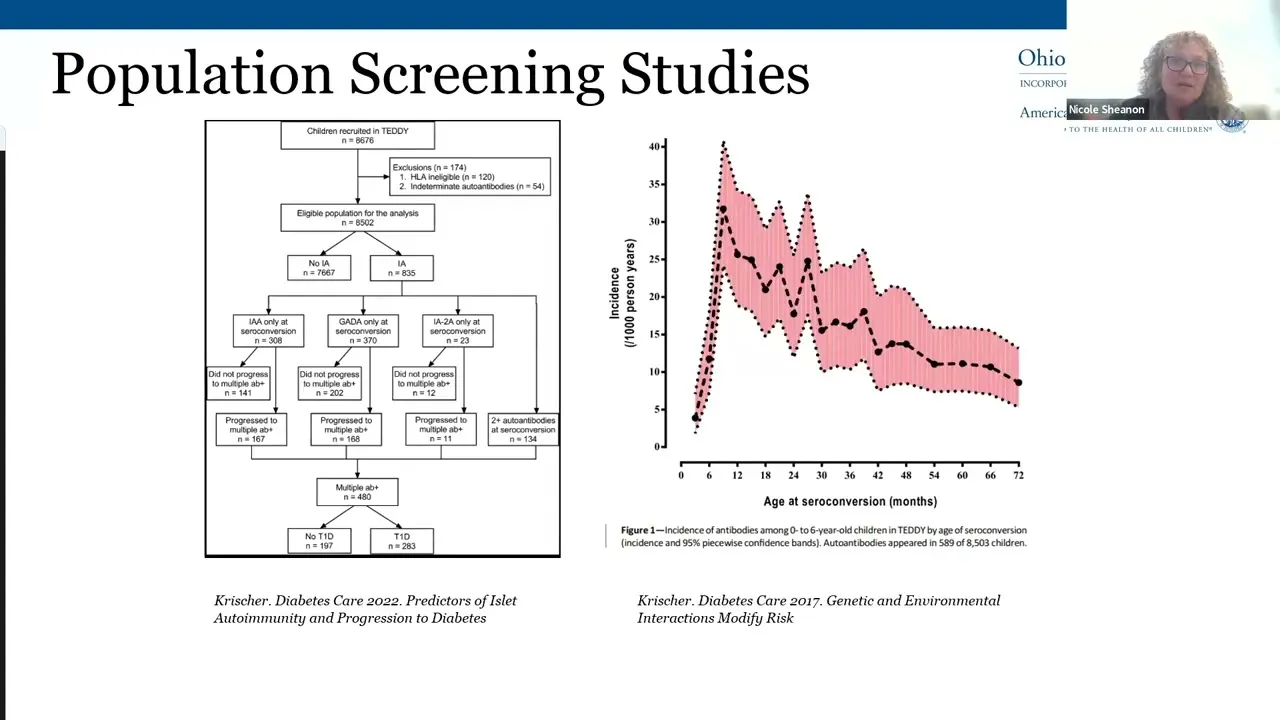
Type 1 diabetes screening focuses on finding islet autoantibodies—markers that indicate the immune system is targeting the cells that make insulin. Researchers have identified specific autoantibodies that predict type 1 diabetes development.
A single autoantibody indicates some risk. Multiple autoantibodies indicate much higher risk and faster progression toward diagnosis. Finding these markers early, before symptoms appear, is the goal of screening programs.
Why Early Screening Matters
Screening has a proven benefit: it reduces the likelihood of diabetic ketoacidosis (DKA) at the time of diagnosis. DKA is a serious medical emergency that can occur when type 1 diabetes goes undiagnosed and blood sugar becomes dangerously high.
Beyond preventing emergencies, screening gives families and healthcare providers time to prepare. People identified through screening can receive education about diabetes symptoms, learn when to seek medical care, and have psychosocial support in place before diagnosis.
Monitoring After Screening
Once screening identifies someone with autoantibodies, confirmation with a second sample is important. From there, regular monitoring begins.
Monitoring includes periodic glucose checks, regular education about diabetes symptoms and DKA warning signs, and psychosocial support for the individual and family. Much of this care happens in primary-care settings, with guidance and partnership from endocrinologists.
People with stage 2 type 1 diabetes (multiple autoantibodies) may be offered enrollment in clinical trials or approved therapies designed to delay disease progression.
A Team Approach
Successful screening and monitoring require partnerships between endocrinologists and primary-care providers. Not everyone identified through screening will live near a diabetes center, so training and collaboration help ensure consistent, evidence-based care across different healthcare settings.
As screening programs expand, more people will be identified with early-stage type 1 diabetes. Having clear guidance and strong partnerships between specialists and primary-care teams ensures that these individuals receive appropriate monitoring and support.
Evidence label
Origin: YouTube / Ohio AAP (Video report). Evidence: Video report, corroborated with 3 indexed studies. Type1Cure is an information and intelligence hub, not a medical advice service. This article summarizes published research and does not provide diagnosis, treatment, or personal medical guidance. Always talk to your own care team before changing anything about your Type 1 diabetes management.
Type1Cure is an information and intelligence hub, not a medical advice service. This article summarizes published research and does not provide diagnosis, treatment, or personal medical guidance. Always talk to your own care team before changing anything about your Type 1 diabetes management.
Related reading
More evidence-labeled coverage across the Type1Cure library.
- Diagnosis & Early DetectionUnderstanding the Stages of Type 1 Diabetes: From Invisible to DiagnosisVideo report, corroborated with 3 indexed studies
- Diagnosis & Early DetectionWhy Family Members Should Know About Type 1 Diabetes ScreeningVideo report, corroborated with 5 indexed studies
- Diagnosis & Early DetectionGenetic Screening May Help Identify Type 1 Diabetes in AdultsNews report, corroborated with 3 indexed studies
- Diagnosis & Early DetectionA Simple Blood Test May Help Doctors Assess How Severe Your DKA IsPubMed indexed literature
- Diagnosis & Early DetectionA New Approach to Finding Type 1 Diabetes Early: Testing During Routine CheckupsPubMed indexed literature
- Diagnosis & Early DetectionSingle Autoantibody: What It Means When Your Child Tests Positive for One Type 1 MarkerPubMed indexed literature