Why Family Members Should Know About Type 1 Diabetes Screening
If Type 1 diabetes runs in your family, screening for early warning signs through a simple blood test could make a real difference. Here's what families need to know about detection and monitoring.
Evidence label explains the kind of source behind this article (for example peer-reviewed literature vs community video). It is not medical advice.
Key takeaways
- Type 1 diabetes develops in stages, starting silently years before symptoms appear—and screening can catch it early
- Having a close relative with Type 1 diabetes increases your risk by up to 15 times, making screening especially important for family members
- A simple blood test can detect islet autoantibodies, which show early-stage Type 1 diabetes before diagnosis is necessary
- Early detection allows doctors to monitor progression and may open doors to therapies that can delay the onset of symptoms
- Once screened, individuals with early-stage Type 1 diabetes benefit from regular monitoring, education about warning signs, and support from a care team
Type 1 Diabetes Develops in Recognizable Stages
Type 1 diabetes isn't something that suddenly appears. The disease unfolds in stages, beginning long before someone feels sick or needs insulin.
Stage 1 and Stage 2 are the early, silent phases. During these stages, the immune system is already attacking insulin-producing cells in the pancreas, but blood sugar remains normal or only slightly elevated. People in these stages have no symptoms and feel completely fine.
Stage 3 is when symptoms finally develop—excessive thirst, frequent urination, fatigue—and insulin treatment becomes necessary. This is what we typically call a Type 1 diabetes diagnosis.
The key insight: the disease is detectable through blood tests for antibodies long before Stage 3 arrives. This window of time matters.
Family History Matters: Why Relatives Should Get Screened
If someone in your immediate family has Type 1 diabetes, your risk of developing it is up to 15 times higher than the general population. This is not certainty—it's simply increased likelihood.
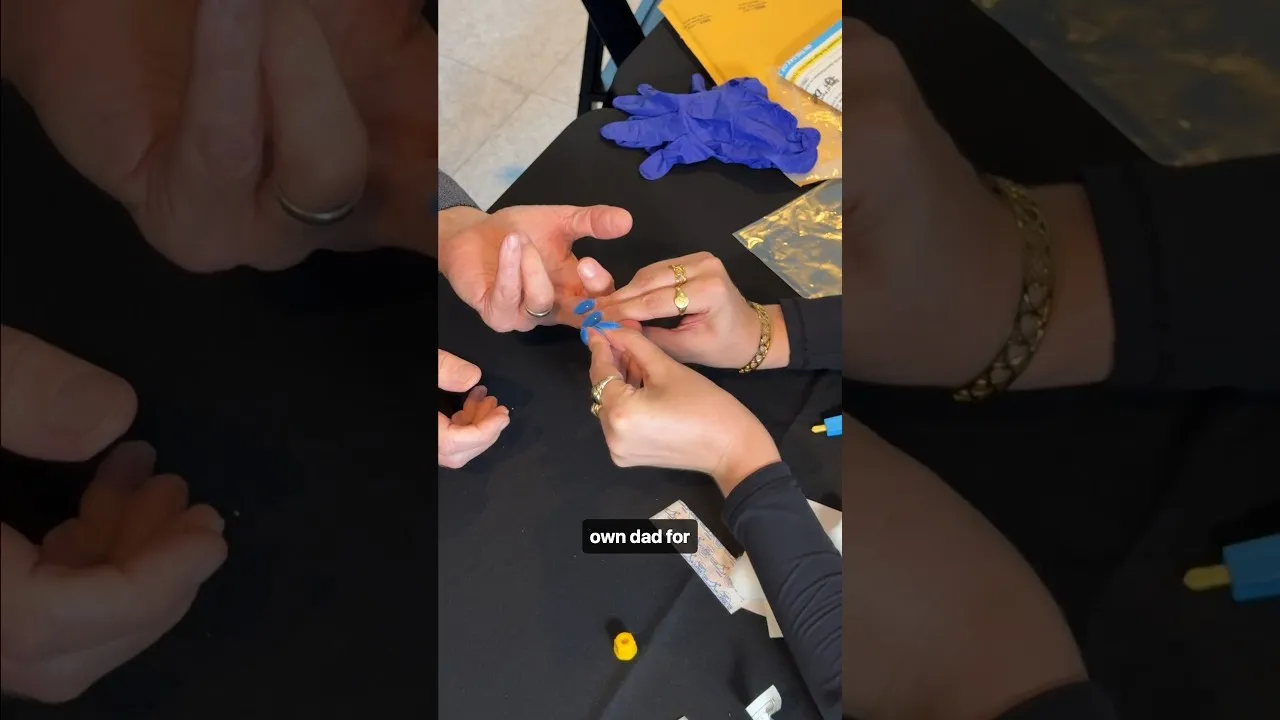
This familial link is one of the strongest reasons to consider screening. A simple finger-prick blood test can check for islet autoantibodies, the markers that show early-stage Type 1 diabetes.
The screening process is straightforward and quick. As one person with Type 1 diabetes shared, getting screened was easy enough that they could help their own parent through it. The test itself takes just minutes.
Early Detection Opens New Possibilities
One proven benefit of early screening is reducing the risk of diabetic ketoacidosis (DKA), a serious complication that can occur at the time of diagnosis if the disease goes undetected for too long.
Beyond that, researchers are developing therapies designed to slow or delay the progression from early-stage Type 1 diabetes to full diagnosis. Some of these approaches are already approved or available through clinical trials. Early detection is what makes access to these options possible.
If screening shows you have early-stage Type 1 diabetes, you don't immediately need insulin or daily diabetes management. Instead, you enter a monitoring phase where doctors track your progression and keep you informed about next steps.
What Happens After a Positive Screening
When screening identifies islet autoantibodies, the first step is confirmation with a second blood sample. This prevents false positives and ensures accuracy.
After confirmation, individuals enter a monitoring plan. This includes regular blood sugar assessments, education about the symptoms to watch for, and psychological support—because finding out you have early-stage Type 1 diabetes can be emotionally complex.
Important note: people with a single autoantibody have lower risk of progression than those with multiple autoantibodies. This distinction helps doctors and patients understand what to expect.
For people in Stage 2 (early-stage with some glucose changes), there are opportunities to participate in clinical trials or access approved therapies designed to delay the transition to Stage 3. Having a care team that partners your regular doctor with a diabetes specialist helps coordinate this care.
Getting Started: Talking to Your Doctor
If Type 1 diabetes runs in your family, a conversation with your primary care doctor is the first step. Ask about screening options in your area.
International research networks like TrialNet also offer screening and monitoring programs across multiple countries. These programs contribute to understanding the natural history of Type 1 diabetes while providing participants with regular monitoring and education.
There is no downside to knowing your autoantibody status. Even if screening shows no antibodies today, relatives of people with Type 1 diabetes may benefit from periodic re-screening in the future, since the disease can develop over time.
Evidence label
Origin: YouTube / Beyond Type 1 (Video report). Evidence: Video report, corroborated with 5 indexed studies. Type1Cure is an information and intelligence hub, not a medical advice service. This article summarizes published research and does not provide diagnosis, treatment, or personal medical guidance. Always talk to your own care team before changing anything about your Type 1 diabetes management.
Type1Cure is an information and intelligence hub, not a medical advice service. This article summarizes published research and does not provide diagnosis, treatment, or personal medical guidance. Always talk to your own care team before changing anything about your Type 1 diabetes management.
Related reading
More evidence-labeled coverage across the Type1Cure library.
- Diagnosis & Early DetectionUnderstanding the Stages of Type 1 Diabetes: From Invisible to DiagnosisVideo report, corroborated with 3 indexed studies
- Diagnosis & Early DetectionGenetic Screening May Help Identify Type 1 Diabetes in AdultsNews report, corroborated with 3 indexed studies
- Diagnosis & Early DetectionA Simple Blood Test May Help Doctors Assess How Severe Your DKA IsPubMed indexed literature
- Diagnosis & Early DetectionUnderstanding Type 1 Diabetes Screening: What Happens Before DiagnosisVideo report, corroborated with 3 indexed studies
- Diagnosis & Early DetectionA New Approach to Finding Type 1 Diabetes Early: Testing During Routine CheckupsPubMed indexed literature
- Diagnosis & Early DetectionSingle Autoantibody: What It Means When Your Child Tests Positive for One Type 1 MarkerPubMed indexed literature