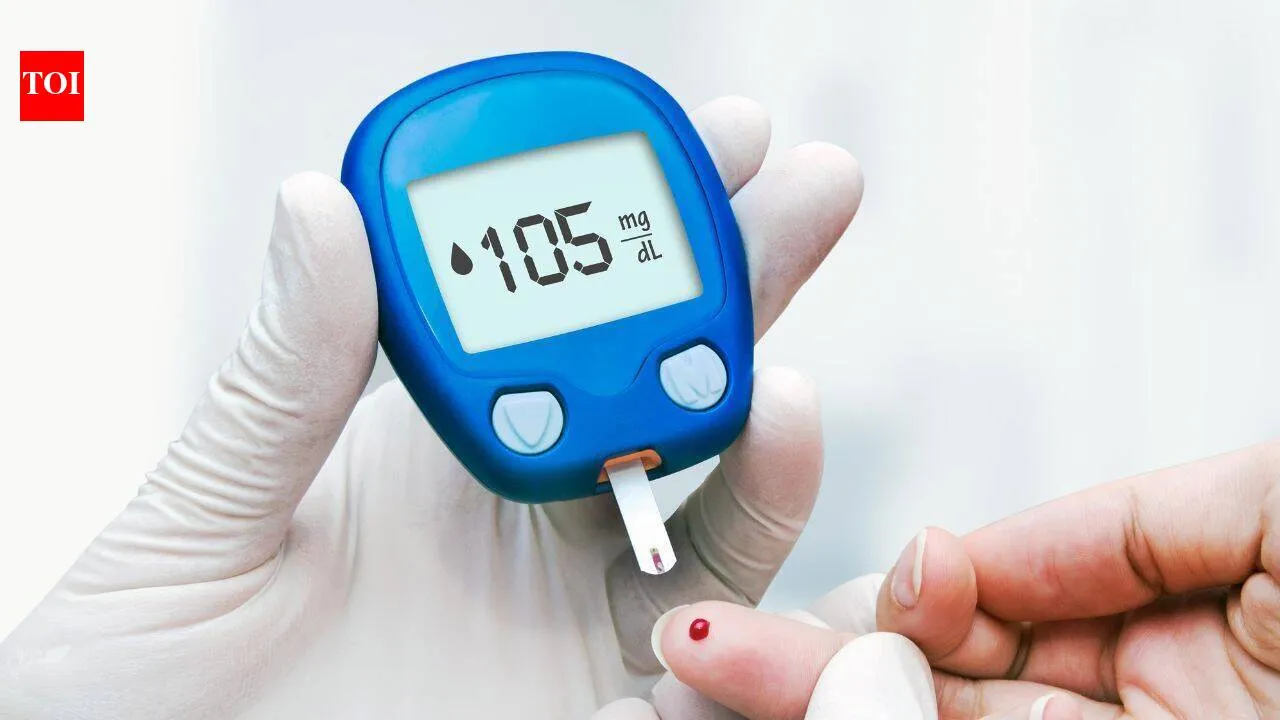
Small Study Shows Time-Restricted Eating May Help Some People With Type 1 Diabetes—But Weight Loss Results Were Mixed
A 6-month trial found that eating within an 8-hour window improved blood sugar control in people with type 1 diabetes and excess weight, though it didn't lead to significant weight loss compared to standard calorie restriction.
Evidence label explains the kind of source behind this article (for example peer-reviewed literature vs community video). It is not medical advice.
Key takeaways
- Time-restricted eating (limiting food intake to an 8-hour window) showed a modest benefit for blood sugar control when compared to traditional calorie counting in adults with type 1 diabetes and overweight or obesity.
- Neither time-restricted eating nor calorie restriction produced meaningful weight loss in this small 6-month study—an unexpected finding that warrants further investigation.
- The study involved only 32 participants, so results cannot yet be generalized to the broader type 1 diabetes population.
- Insulin requirements, time spent in safe blood sugar ranges, and average glucose levels did not change significantly with either eating approach.
Why Researchers Looked at Eating Schedules
Many adults with type 1 diabetes struggle with excess weight. Finding dietary approaches that are practical and safe is important for managing both weight and blood sugar. Time-restricted eating—limiting food intake to a set window each day—has become popular in recent years, but scientists had not formally tested whether it works for people with type 1 diabetes.
Researchers in this study wanted to know whether eating within an 8-hour window could be more effective for weight loss than traditional calorie counting, and whether it was safe for people managing insulin and blood sugar.
How the Study Was Designed
The trial enrolled 32 adults aged 18 to 80 with type 1 diabetes and a BMI indicating overweight or obesity. Participants were divided into three groups for 6 months: one group practiced time-restricted eating (eating only between noon and 8 p.m., without counting calories), another followed traditional calorie restriction (eating 25% fewer calories daily), and a control group made no changes.
The research team measured changes in body weight, blood sugar control (HbA1c levels), insulin needs, and safety over the 6-month period.
What the Results Showed
By month 6, weight loss was modest in both the time-restricted eating group and the calorie restriction group, and neither approach led to significantly more weight loss than doing nothing. The time-restricted eating group lost about 2% of body weight on average, while the calorie restriction group lost about 0.5%—a difference that was not statistically significant.
However, the time-restricted eating group did show a meaningful improvement in blood sugar control. Their HbA1c (a measure of average blood sugar over 2–3 months) dropped by approximately 0.46% more than the calorie restriction group, suggesting that the eating schedule itself may have provided a metabolic benefit beyond weight loss.
Insulin requirements, the amount of time people spent with safe blood sugar levels, and average daily glucose readings did not change significantly in either group. The study found no safety concerns with time-restricted eating.
What This Means—and What Remains Unknown
This small, short-term study suggests that time-restricted eating may offer a modest advantage for blood sugar control in some adults with type 1 diabetes, even without significant weight loss. For people who find traditional calorie counting burdensome, an 8-hour eating window might be a simpler alternative to try.
However, the findings are preliminary. With only 32 participants studied over 6 months, results cannot yet be applied broadly to all people with type 1 diabetes. Larger, longer studies are needed to confirm whether time-restricted eating is sustainable and beneficial over years, and whether it works equally well for different ages and backgrounds.
If you are considering changing your eating pattern, speak with your diabetes care team. Time-restricted eating can affect insulin timing and blood sugar management, and any dietary change should be planned in partnership with your healthcare provider.
Evidence label
Origin: The Times of India (News report). Evidence: News report — unverified, pending corroboration. Type1Cure is an information and intelligence hub, not a medical advice service. This article summarizes published research and does not provide diagnosis, treatment, or personal medical guidance. Always talk to your own care team before changing anything about your Type 1 diabetes management.
Type1Cure is an information and intelligence hub, not a medical advice service. This article summarizes published research and does not provide diagnosis, treatment, or personal medical guidance. Always talk to your own care team before changing anything about your Type 1 diabetes management.
Related reading
More evidence-labeled coverage across the Type1Cure library.
- Diagnosis & Early DetectionKetosis-Prone Type 2 Diabetes: New Clues to an Immune Mix-UpPubMed indexed literature
- Diagnosis & Early DetectionWhat We Know About Afrezza for Young People with Type 1 DiabetesVideo report, corroborated with 1 indexed study
- Diagnosis & Early DetectionA Hidden Connection: Why Children with Type 1 Diabetes May Need H. pylori ScreeningPubMed indexed literature
- Diagnosis & Early DetectionA Better Way to Tell Type 1 and Type 2 Apart in AdultsNews report, corroborated with 4 indexed studies
- Diagnosis & Early DetectionNew Study Examines Chloride Levels During Diabetic Ketoacidosis in ChildrenPubMed indexed literature
- Diagnosis & Early DetectionUnderstanding Why Some Children Experience Remission After Type 1 Diabetes DiagnosisPubMed indexed literature