From Diagnosis to Purpose: One Young Adult's Type 1 Diabetes Journey
Elyse was 13 when she was diagnosed with Type 1 diabetes. Eight years later, she's using her experience to help others navigate their own diagnosis.
Evidence label explains the kind of source behind this article (for example peer-reviewed literature vs community video). It is not medical advice.
Key takeaways
- A Type 1 diagnosis can feel overwhelming at first, but tools like insulin pumps and continuous glucose monitors (CGMs) can make management feel more manageable over time.
- Support from healthcare providers—especially nurses—plays an important role in helping newly diagnosed young people understand their condition and available treatment options.
- Many people with Type 1 diabetes live full, active lives doing the things they love, from sports to travel to serving their communities.
- Personal experience with Type 1 diabetes can motivate some people to pursue careers in healthcare to support others facing similar challenges.
The Moment Everything Changed
At age 13, Elyse was diagnosed with Type 1 diabetes. Like many newly diagnosed young people, her first reaction was fear—she remembers returning to middle school after her hospital stay feeling like her life had been turned upside down. The diagnosis seemed like it would make everything harder.
But that narrative didn't last. As Elyse learned about the tools available to manage her condition—insulin injections, insulin pumps, and continuous glucose monitors—her perspective began to shift. These resources made her diabetes feel more manageable, even if the condition itself remained.
Living With, Not Despite
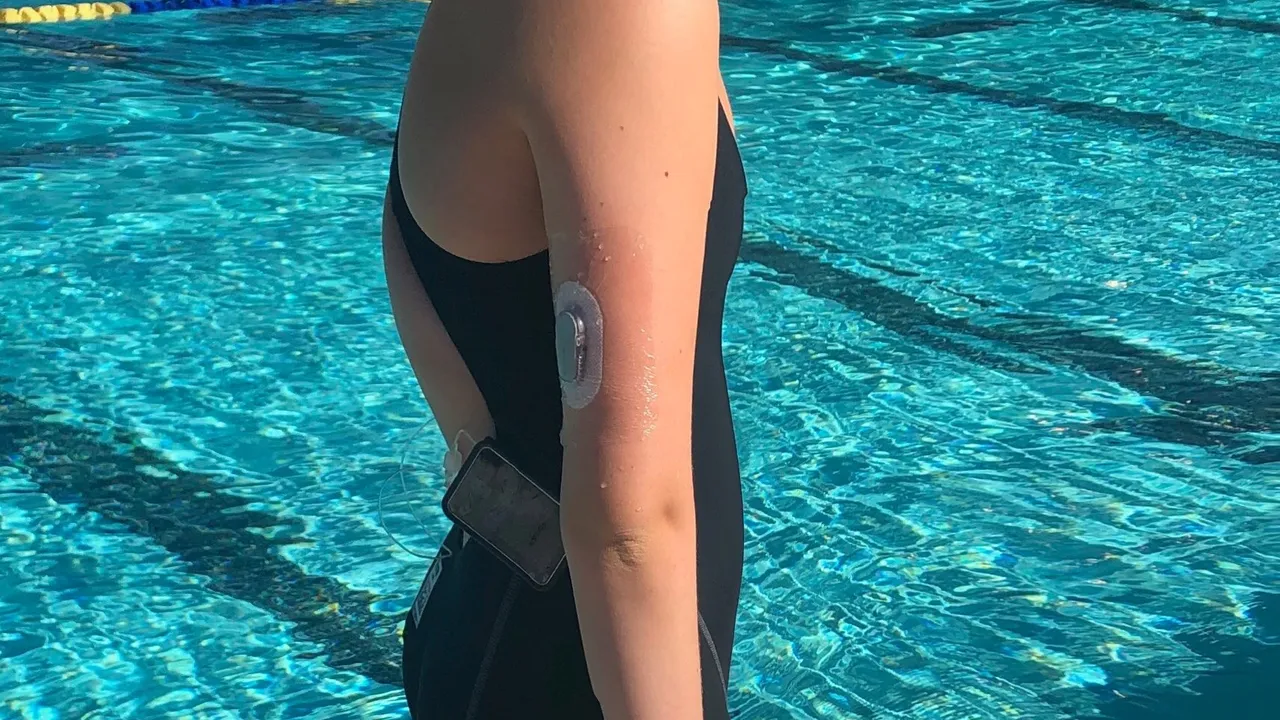
Eight years after diagnosis, Elyse describes her approach to Type 1 diabetes not as "overcoming" it or pretending it's easy, but as learning to live alongside it. Medical advancements and treatment options have enabled her to do the activities that matter most to her: hiking, swimming, bouldering, traveling with friends, and serving her community.
This shift in perspective—from seeing diabetes as something that limits life to seeing it as something that can be managed while living fully—represents an important realization for many young people navigating a new diagnosis.
From Patient to Advocate
Now 21 years old, Elyse is attending Barrett, The Honors College at Arizona State University, where she is studying to become a registered nurse. Her goal is to specialize in endocrinology and work directly with newly diagnosed Type 1 diabetics during what can be one of the most challenging transitions in their lives.
By pursuing a career focused on helping others at diagnosis, Elyse is channeling the support she received from nurses during her own diabetes journey into a commitment to provide that same guidance and care to the next generation of young people facing a Type 1 diagnosis.
Evidence label
Origin: breakthrought1d.org (News report). Evidence: News report — unverified, pending corroboration. Type1Cure is an information and intelligence hub, not a medical advice service. This article summarizes published research and does not provide diagnosis, treatment, or personal medical guidance. Always talk to your own care team before changing anything about your Type 1 diabetes management.
Type1Cure is an information and intelligence hub, not a medical advice service. This article summarizes published research and does not provide diagnosis, treatment, or personal medical guidance. Always talk to your own care team before changing anything about your Type 1 diabetes management.
Related reading
More evidence-labeled coverage across the Type1Cure library.
- Diagnosis & Early DetectionUnderstanding the Stages of Type 1 Diabetes: From Invisible to DiagnosisVideo report, corroborated with 3 indexed studies
- Diagnosis & Early DetectionWhy Family Members Should Know About Type 1 Diabetes ScreeningVideo report, corroborated with 5 indexed studies
- Diagnosis & Early DetectionGenetic Screening May Help Identify Type 1 Diabetes in AdultsNews report, corroborated with 3 indexed studies
- Diagnosis & Early DetectionA Simple Blood Test May Help Doctors Assess How Severe Your DKA IsPubMed indexed literature
- Diagnosis & Early DetectionUnderstanding Type 1 Diabetes Screening: What Happens Before DiagnosisVideo report, corroborated with 3 indexed studies
- Diagnosis & Early DetectionA New Approach to Finding Type 1 Diabetes Early: Testing During Routine CheckupsPubMed indexed literature