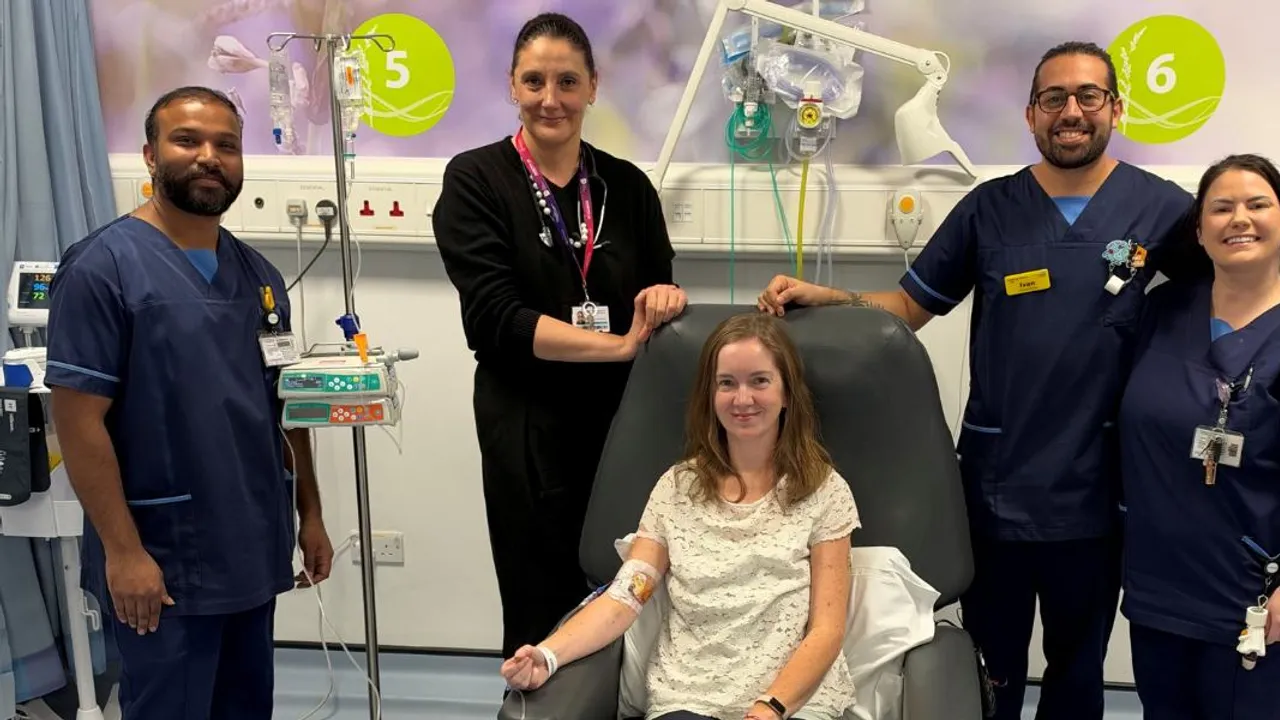
First NHS Patient Receives Teplizumab to Delay Type 1 Diabetes
A GP from Shropshire has become the first person in the UK to receive teplizumab through the NHS following its approval for routine use. The treatment is designed to slow the immune system's attack on insulin-producing cells before symptomatic type 1 diabetes develops.
Evidence label explains the kind of source behind this article (for example peer-reviewed literature vs community video). It is not medical advice.
Key takeaways
- Teplizumab is now available through the NHS to eligible patients in the early stages of type 1 diabetes.
- The treatment works by targeting immune cells involved in attacking the pancreas, aiming to delay the onset of insulin dependency.
- Annette Quilter was identified as having stage 2 type 1 diabetes—a stage where immune damage is occurring but classic symptoms have not yet appeared.
- This milestone represents the first routine NHS use of teplizumab; earlier UK patients received it through research or early-access programmes.
A Historic NHS First
On November 16, 2026, Annette Quilter, a 42-year-old GP from Shropshire, made history as the first person in the UK to receive teplizumab through the NHS following the treatment's approval for routine use. Quilter began treatment at Queen Elizabeth Hospital Birmingham after specialist testing identified she had stage 2 type 1 diabetes.
This milestone marks an important shift in how type 1 diabetes is managed in the UK. While earlier patients in the UK had accessed teplizumab through research programmes and early-access schemes, Quilter is the first to receive it as part of standard NHS care.
Understanding Stage 2 Type 1 Diabetes
Stage 2 type 1 diabetes is an intermediate phase of the disease. At this stage, the immune system is actively attacking the insulin-producing beta cells in the pancreas, and blood glucose levels have started to change. However, the person has not yet developed the classic symptoms—such as increased thirst, frequent urination, or fatigue—that characterize stage 3, or clinical, type 1 diabetes.
Identifying people at stage 2 requires specialized testing. This early detection creates a window of opportunity for treatments like teplizumab to intervene before insulin dependency becomes necessary.
How Teplizumab Works
Teplizumab is an immunotherapy designed to modify the course of type 1 diabetes by targeting the immune process driving the disease. It works by targeting a protein called CD3 on the surface of certain immune cells. In type 1 diabetes, the immune system mistakenly identifies and attacks the beta cells responsible for producing insulin.
By interfering with this immune attack, teplizumab aims to slow the destruction of beta cells and delay the point at which a person needs to start daily insulin treatment. The treatment does not cure type 1 diabetes but rather delays its symptomatic onset.
What This Means for the Type 1 Community
The availability of teplizumab through the NHS represents a new option for people identified early in the type 1 diabetes disease process. It offers eligible patients the potential to extend the time before they require insulin therapy, though criteria for eligibility and appropriate screening remain important clinical decisions.
For patients, parents, and caregivers, this development underscores the evolving landscape of type 1 diabetes management, where disease-modifying treatments are becoming part of routine care options in the UK.
Evidence label
Origin: diabetes.co.uk (News report). Evidence: News report — unverified, pending corroboration. Type1Cure is an information and intelligence hub, not a medical advice service. This article summarizes published research and does not provide diagnosis, treatment, or personal medical guidance. Always talk to your own care team before changing anything about your Type 1 diabetes management.
Type1Cure is an information and intelligence hub, not a medical advice service. This article summarizes published research and does not provide diagnosis, treatment, or personal medical guidance. Always talk to your own care team before changing anything about your Type 1 diabetes management.
From Type1Cure
Related reading
More evidence-labeled coverage across the Type1Cure library.
- Research summaryCure & AdvancementsCell Replacement Therapy: A New Frontier in Type 1 Diabetes ResearchVideo report, corroborated with 5 indexed studies
- Research summaryCure & AdvancementsWhy Beta Cells Die in Type 1 Diabetes While Alpha Cells SurviveNews report, corroborated with 2 indexed studies
- Research summaryCure & AdvancementsEarly Trial Shows Some People with Type 1 Diabetes Can Reduce or Stop Insulin—Here's What We KnowNews report, corroborated with 3 indexed studies
- Research summaryCure & AdvancementsBeta Cell Therapy: Moving From Lab Promise to Real-World TreatmentVideo report, corroborated with 2 indexed studies
- Research summaryCure & AdvancementsUnderstanding the Eleodon Trial: What Early Results ShowVideo report — unverified, pending corroboration
- Research summaryCure & AdvancementsIslet Cell Therapies Advance: What You Need to KnowNews report, corroborated with 3 indexed studies