New Blood Test Strategy Could Catch Type 1 Diabetes Earlier Than Ever Before
Researchers have developed a method to detect rapid changes in blood proteins that signal the early stages of type 1 diabetes, offering hope for interventions before symptoms appear. The approach uses tiny blood samples collected frequently at home.
Evidence label explains the kind of source behind this article (for example peer-reviewed literature vs community video). It is not medical advice.
Key takeaways
- Scientists identified specific protein changes in blood that occur during the earliest phases of type 1 diabetes development, before any symptoms appear
- A novel blood testing method using tiny home-collected samples revealed molecular markers that were previously missed by less frequent testing
- A computer learning model could predict early disease markers with over 90% accuracy, suggesting potential for personalized early intervention
- The research was conducted in mice with type 1 diabetes, so human studies are needed before this approach can be used in clinical care
Why Early Detection Matters
Type 1 diabetes typically isn't diagnosed until significant damage has already occurred to insulin-producing beta cells. Once symptoms like thirst and fatigue appear, much of the disease process is already underway. This timing challenge is why researchers have long searched for ways to identify type 1 diabetes during its hidden, presymptomatic phase—when the immune system is actively attacking beta cells but before clinical symptoms emerge.
The ability to catch type 1 diabetes earlier could be transformative. It would create a window of opportunity for interventions designed to slow or prevent further beta cell damage, potentially preserving the body's remaining insulin production.
A New Approach to Blood Testing
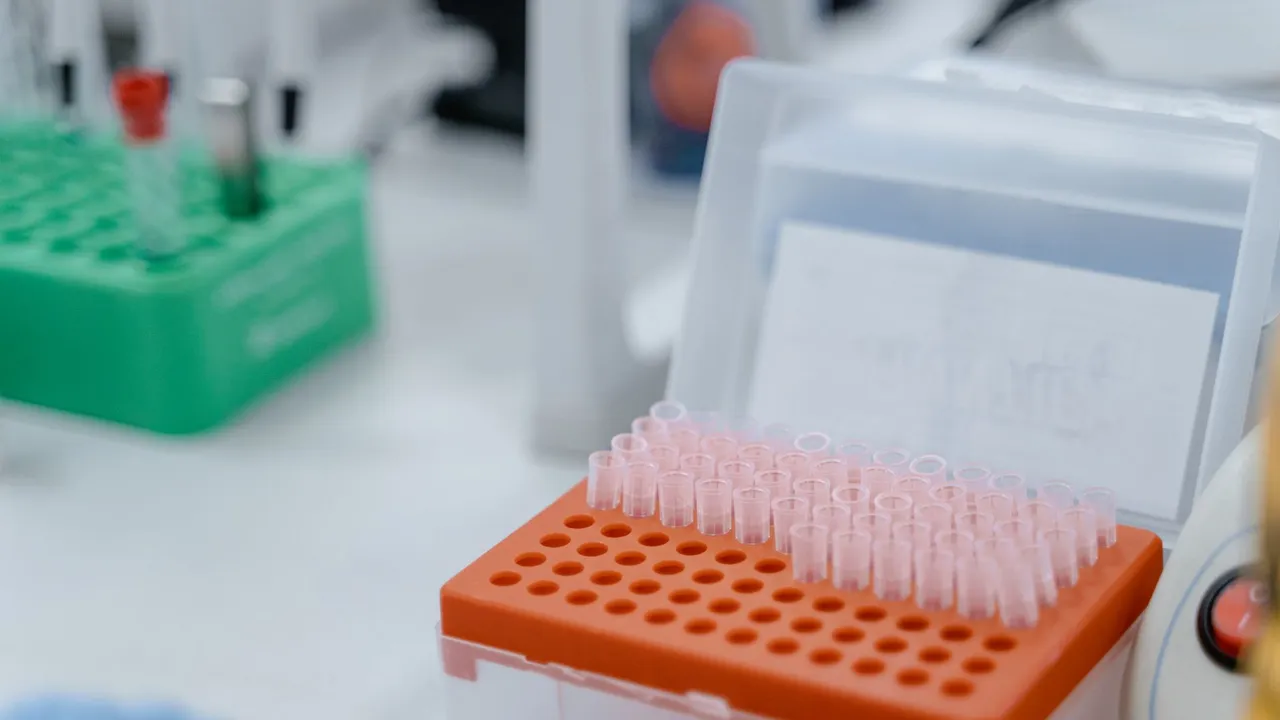
Researchers developed a strategy using dried blood spots (DBS)—tiny samples of blood collected on filter paper at home, similar to newborn screening tests. The key innovation was frequent sampling: researchers collected blood samples every one to five days rather than at occasional clinic visits.
This frequent monitoring revealed something important: rapid, temporary changes in blood proteins that occur during early disease development. These transient molecular shifts would have been missed by standard testing intervals. The researchers analyzed the blood using a technique called proximity extension assay, which measures many proteins simultaneously in very small samples.
What the Results Showed
In a mouse model of type 1 diabetes, the frequent blood sampling strategy uncovered specific patterns of protein changes following viral infection—a suspected trigger for type 1 diabetes. A computer learning model trained on these protein patterns could predict disease status with over 90% accuracy starting just two days after infection.
The research also demonstrated that early detection could potentially guide treatment timing. When researchers treated infected mice at specific early time points, they observed effects on diabetes development, suggesting that precise timing of intervention might matter.
What Comes Next
This research represents an important proof-of-concept in mice, demonstrating that frequent blood sampling and protein analysis can reveal early disease markers. However, human studies are essential before this approach could be used in clinical practice to identify people at risk for type 1 diabetes.
If validated in people, this strategy could help identify individuals in the presymptomatic phase of type 1 diabetes and potentially enable timely interventions. It also highlights the value of frequent, convenient home-based monitoring in understanding how type 1 diabetes develops.
Evidence label
Source: Diabetologia. Evidence type: PubMed indexed literature. Type1Cure is an information and intelligence hub, not a medical advice service. This article summarizes published research and does not provide diagnosis, treatment, or personal medical guidance. Always talk to your own care team before changing anything about your Type 1 diabetes management.
Type1Cure is an information and intelligence hub, not a medical advice service. This article summarizes published research and does not provide diagnosis, treatment, or personal medical guidance. Always talk to your own care team before changing anything about your Type 1 diabetes management.
Related reading
More evidence-labeled coverage across the Type1Cure library.
- Causes & What We KnowUnderstanding Type 1 Diabetes: A Shift Toward Early InterventionPubMed indexed literature
- Causes & What We KnowHow Nutrition, Metabolism, and Immunity Connect: What the Lectin Pathway Tells UsPubMed indexed literature
- Causes & What We KnowA Rare Skin Condition in Young Children with Type 1 Diabetes: What Parents Should KnowPubMed indexed literature
- Causes & What We KnowClinical modifiers of the association between type 1 diabetes and dementia incidence.PubMed indexed literature
- Causes & What We KnowNew Study Finds Genetic Links Between Type 1 Diabetes and Acute PancreatitisPubMed indexed literature
- Causes & What We KnowWhat Type 1 Diabetes and Alzheimer's Disease Have in CommonPubMed indexed literature