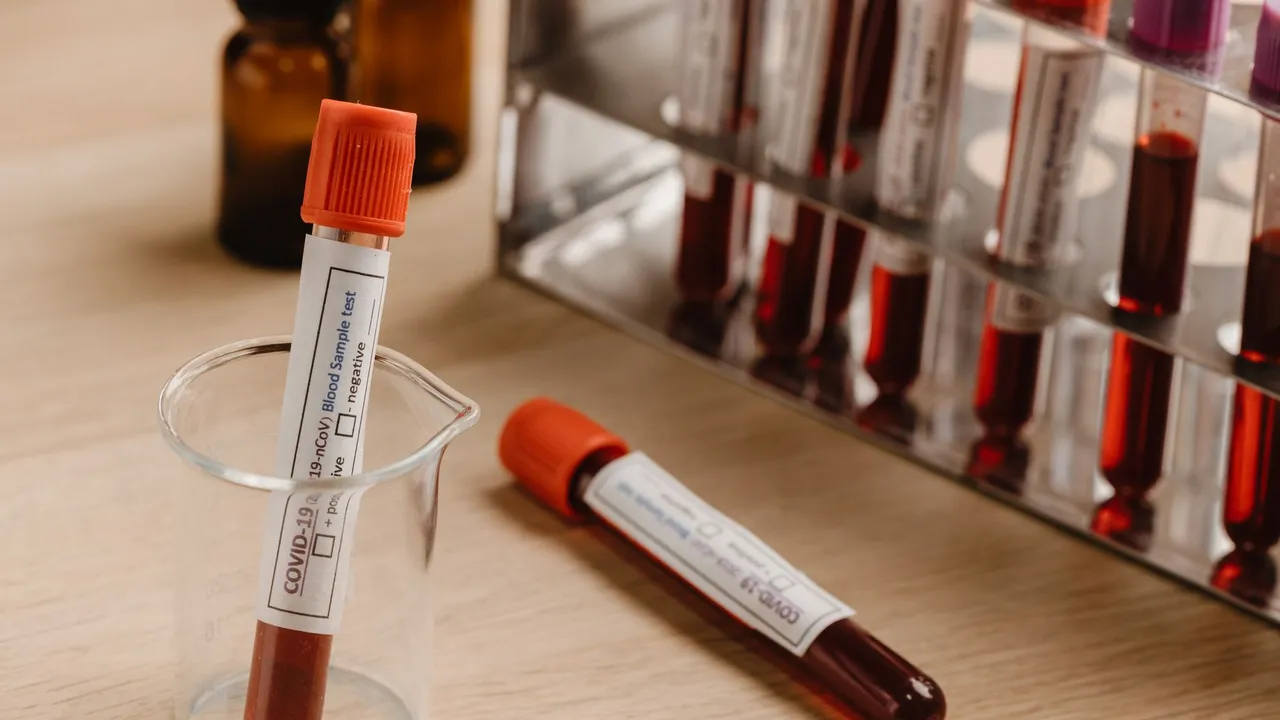
New Blood Test May Help Predict Type 1 Diabetes Progression
Researchers have identified immune cell signatures in the blood that could improve how doctors identify people at risk for Type 1 diabetes. This advance could help refine who needs closer monitoring and earlier intervention.
Evidence label explains the kind of source behind this article (for example peer-reviewed literature vs community video). It is not medical advice.
Key takeaways
- Scientists found that specific patterns of immune cells called macrophages in the pancreas are linked to beta-cell damage in Type 1 diabetes
- A new blood test using 9 specific genes may help predict disease progression better than current methods, which rely mainly on genetic testing and autoantibody screening
- The research combined multiple types of data—including single-cell analysis and tissue samples—to understand how macrophages change during Type 1 diabetes development
- This approach could eventually help doctors identify which people with autoimmunity markers will actually develop diabetes and how quickly it will progress
Understanding the Immune Attack
Type 1 diabetes develops when the immune system mistakenly attacks the insulin-producing beta cells in the pancreas. While doctors know this process involves genetic factors and immune markers called autoantibodies, predicting who will get sick and when remains difficult. Current risk assessment tools miss important pieces of the picture, leaving families uncertain about their actual disease trajectory.
A new study published in Frontiers in Immunology reveals that immune cells called macrophages play a central role in this destruction. Macrophages are normally helpful—they clean up dead cells and coordinate immune responses. But in Type 1 diabetes, they appear to undergo a remodeling process that promotes inflammation and beta-cell death. Understanding these changes could provide better ways to identify risk.
What the Research Found
Researchers analyzed pancreatic tissue samples from people with Type 1 diabetes using advanced techniques that reveal which genes are active in individual cells. They discovered five distinct subtypes of macrophages in the islets—the insulin-producing regions of the pancreas—and identified a specific pathway showing how macrophages shift toward a pro-inflammatory state.
The team then used machine learning to pinpoint 9 key genes that mark this inflammatory macrophage remodeling. These genes showed up consistently in both pancreatic tissue and in blood samples. The blood-based version of this signature could potentially serve as a diagnostic tool and help predict how quickly the disease will progress.
Translating Research into Clinical Tools
The strength of this research lies in its multi-layered approach. The scientists didn't rely on a single data type or tissue source. They combined bulk gene analysis, single-cell sequencing that reveals cell-by-cell detail, spatial mapping showing exactly where immune changes happen in the pancreas, and peripheral blood testing. This allowed them to build a model grounded in what's actually happening in the tissue and validate it in blood.
The researchers used a method called SHAP analysis to clarify which genes matter most for prediction, making the model easier to understand and interpret. They also performed validation experiments in mouse models and human blood samples to confirm their findings. This methodical approach strengthens confidence that the signature reflects real biology rather than statistical noise.
What This Means for Patients and Families
Current risk stratification relies heavily on genetic predisposition and detection of autoantibodies—antibodies that attack beta cells. While important, these markers alone don't reliably tell us who will develop diabetes or how fast it will progress. Some people carry risk genes and autoantibodies for years without symptoms; others progress rapidly.
This macrophage signature offers a window into the actual inflammatory environment destroying beta cells. If further clinical validation confirms its usefulness, it could help doctors answer urgent questions: Should this person be monitored closely? Are they a candidate for clinical trials testing preventive therapies? How much time do we have to intervene? More accurate prediction tools could enable earlier treatment and support more informed family planning decisions.
The work is still in the research phase and does not yet constitute a clinical test. However, it represents meaningful progress toward better understanding who is at highest risk and when intervention might be most beneficial.
Evidence label
Source: Frontiers in immunology. Evidence type: PubMed indexed literature. Type1Cure is an information and intelligence hub, not a medical advice service. This article summarizes published research and does not provide diagnosis, treatment, or personal medical guidance. Always talk to your own care team before changing anything about your Type 1 diabetes management.
Type1Cure is an information and intelligence hub, not a medical advice service. This article summarizes published research and does not provide diagnosis, treatment, or personal medical guidance. Always talk to your own care team before changing anything about your Type 1 diabetes management.
Related reading
More evidence-labeled coverage across the Type1Cure library.
- Causes & What We KnowUnderstanding Type 1 Diabetes: A Shift Toward Early InterventionPubMed indexed literature
- Causes & What We KnowHow Nutrition, Metabolism, and Immunity Connect: What the Lectin Pathway Tells UsPubMed indexed literature
- Causes & What We KnowA Rare Skin Condition in Young Children with Type 1 Diabetes: What Parents Should KnowPubMed indexed literature
- Causes & What We KnowClinical modifiers of the association between type 1 diabetes and dementia incidence.PubMed indexed literature
- Causes & What We KnowNew Study Finds Genetic Links Between Type 1 Diabetes and Acute PancreatitisPubMed indexed literature
- Causes & What We KnowWhat Type 1 Diabetes and Alzheimer's Disease Have in CommonPubMed indexed literature