Could Respiratory Infections During Pregnancy and Infancy Play a Role in Type 1 Diabetes?
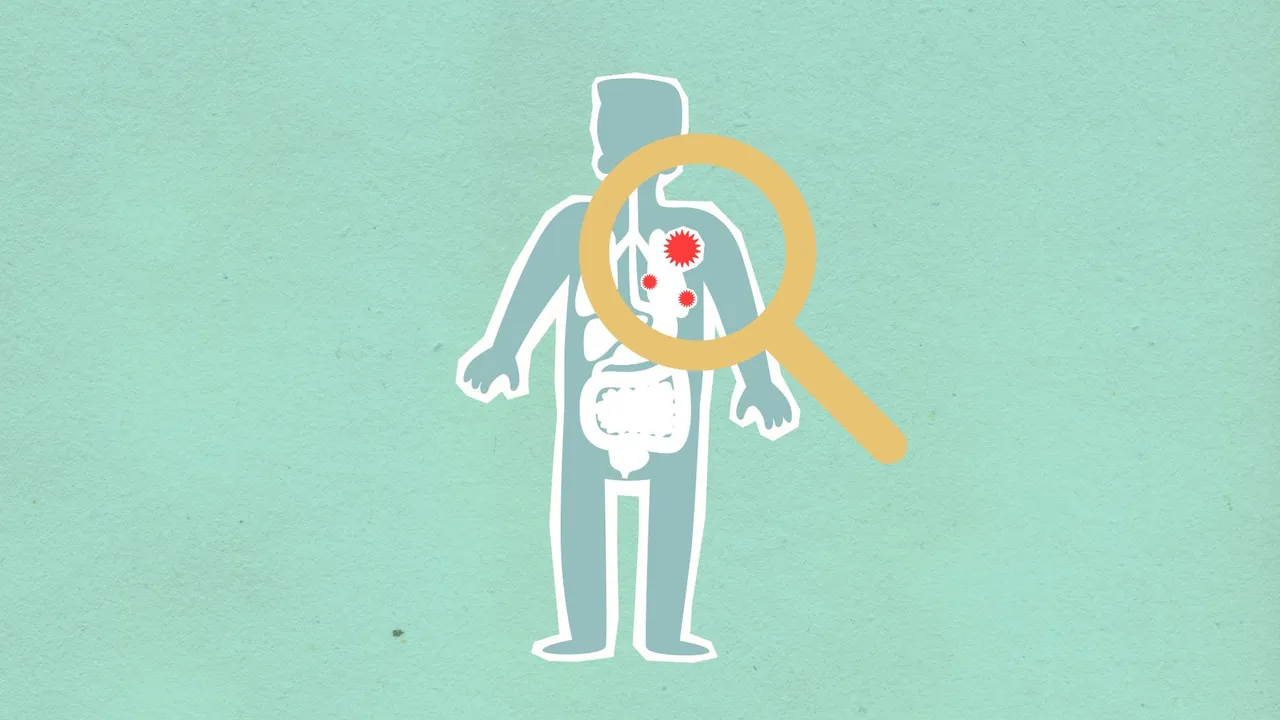
A new systematic review and meta-analysis examines whether respiratory infections in pregnancy and early childhood are connected to the development of islet autoimmunity and type 1 diabetes. Here's what the evidence shows so far.
Evidence label explains the kind of source behind this article (for example peer-reviewed literature vs community video). It is not medical advice.
Key takeaways
- Researchers reviewed observational studies to investigate whether respiratory infections during pregnancy or early life might be associated with type 1 diabetes development
- This research adds to growing scientific interest in understanding environmental factors that may contribute to type 1 diabetes risk
- Observational studies can identify patterns and associations, but cannot prove that infections directly cause type 1 diabetes
- More research is needed to understand how infections might interact with genetics and other factors in type 1 diabetes development
What This Research Examined
Type 1 diabetes develops when the immune system mistakenly attacks the insulin-producing cells in the pancreas. Scientists have long suspected that environmental factors—including infections—may play a role in triggering or accelerating this process. A new systematic review and meta-analysis, published in EClinicalMedicine in July 2025, looked at multiple observational studies to explore whether respiratory infections during pregnancy or early childhood might be connected to the development of islet autoimmunity (the first step toward type 1 diabetes) and type 1 diabetes itself.
Why Respiratory Infections Matter in This Context
Respiratory infections—such as colds, flu, and other viral or bacterial infections of the lungs and airways—are common in pregnancy and early childhood. If these infections do play a role in type 1 diabetes development, understanding that connection could eventually help researchers identify which children might be at higher risk and inform prevention strategies. That's why researchers conducted this review: to gather what observational studies have found about the potential link between these infections and islet autoimmunity or type 1 diabetes diagnosis.
What Observational Studies Can and Cannot Tell Us
Observational studies are a common type of research in which scientists track what happens in real populations—in this case, whether children who had respiratory infections also developed islet autoimmunity or type 1 diabetes. These studies are valuable for spotting patterns and associations. However, they cannot prove cause and effect. For example, if a study finds that children with respiratory infections are more likely to develop type 1 diabetes, it doesn't necessarily mean the infection caused the diabetes. Many other factors—genetics, timing of viral exposure, immune system differences, and more—could be involved.
What We Still Need to Understand
This systematic review synthesizes what observational studies have found about respiratory infections and type 1 diabetes risk. However, understanding the full picture requires additional research. Scientists need to learn more about *how* respiratory infections might interact with genetic susceptibility, *when* in development such infections might matter most, and what other environmental or immune factors might be at play. Future studies using different research designs may help clarify whether respiratory infections are truly a risk factor for type 1 diabetes or simply occur alongside other contributors to disease development.
Why This Matters for the Type 1 Diabetes Community
Research into environmental contributors to type 1 diabetes helps scientists build a more complete picture of how the disease develops. While this review does not provide medical guidance for preventing type 1 diabetes, it contributes to the scientific foundation that may one day inform prevention or early intervention strategies. For parents, caregivers, and people at risk for type 1 diabetes, knowing that researchers are investigating these connections underscores the complexity of the condition and the ongoing effort to understand its origins.
Evidence label
Source: EClinicalMedicine. Evidence type: PubMed indexed literature. Type1Cure is an information and intelligence hub, not a medical advice service. This article summarizes published research and does not provide diagnosis, treatment, or personal medical guidance. Always talk to your own care team before changing anything about your Type 1 diabetes management.
Type1Cure is an information and intelligence hub, not a medical advice service. This article summarizes published research and does not provide diagnosis, treatment, or personal medical guidance. Always talk to your own care team before changing anything about your Type 1 diabetes management.
Related reading
More evidence-labeled coverage across the Type1Cure library.
- Causes & What We KnowA New Material Design Aims to Keep Transplanted Insulin-Producing Cells AlivePubMed indexed literature
- Causes & What We KnowWhat Matters More for Heart Health in Type 1 Diabetes: Liver Fat or Body Composition?PubMed indexed literature
- Causes & What We KnowNew Study Examines Two Environmental Triggers in Type 1 DiabetesPubMed indexed literature
- Causes & What We KnowDoes Winter Bring More Cases of Diabetic Ketoacidosis? What New Research ShowsPubMed indexed literature
- Causes & What We KnowWhat Thiols Tell Us About Type 1 Diabetes Complications in ChildrenPubMed indexed literature
- Causes & What We KnowA Molecule Called miR-30d-5p Shows Promise in Supporting Beta Cell RecoveryPubMed indexed literature