What Continuous Glucose Monitors Can and Can't Do for Type 1 Diabetes
CGMs are powerful tools for understanding blood sugar patterns, but research shows their real strengths and limitations. Here's what the latest evidence tells us about living better with Type 1 diabetes.
Evidence label explains the kind of source behind this article (for example peer-reviewed literature vs community video). It is not medical advice.
Key takeaways
- Continuous glucose monitors provide detailed, real-time data about blood sugar patterns 24/7, replacing the need for frequent finger pricks.
- For pregnant people with Type 1 diabetes, closed-loop systems (which combine CGMs with automated insulin delivery) help keep blood sugar in target range more effectively than standard care.
- CGMs work best as part of a comprehensive care approach that includes support from dietitians, nurses, social workers, and other specialists.
- New research is exploring how CGMs pair with other tools—like ketogenic diets or virtual team clinics—to improve outcomes for different people with Type 1 diabetes.
- While CGM technology is evolving rapidly, success still depends on consistent use, proper training, and ongoing medical support.
How CGMs Are Changing Diabetes Management
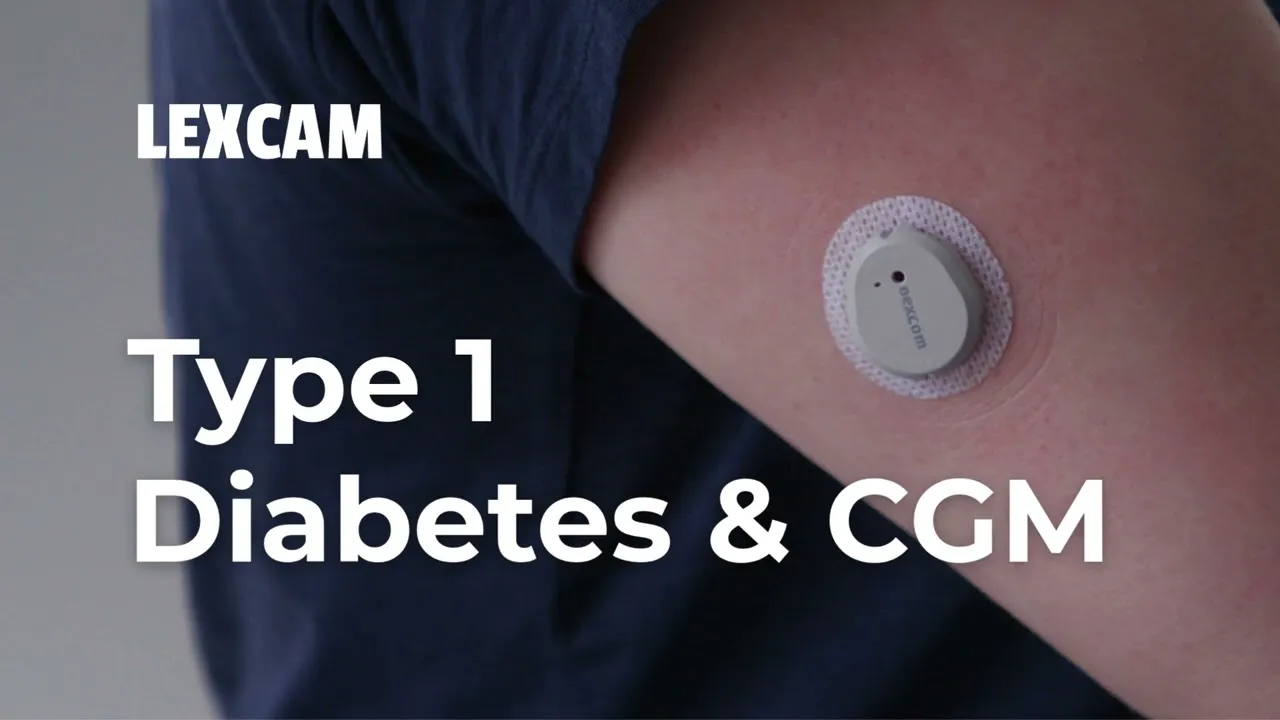
Continuous glucose monitors (CGMs) are small devices worn on the back of the arm that measure blood sugar levels every few minutes, 24 hours a day. Unlike traditional finger-stick testing, which captures only a snapshot in time, CGMs stream detailed information about how your blood sugar responds to food, activity, stress, and insulin throughout the day and night.
This constant data flow is reshaping how people with Type 1 diabetes understand their bodies. Instead of guessing or relying on limited test results, users can see patterns—like how a particular meal affects them, how exercise changes their glucose needs, or how stress impacts control. This visibility helps both patients and healthcare providers make smarter decisions about insulin dosing and lifestyle choices.
CGMs During Pregnancy: A Game Changer for a High-Risk Time
Pregnancy is a critical period for people with Type 1 diabetes. Without careful blood sugar management, hyperglycemia can increase the risk of serious complications for both mother and baby. A recent randomized clinical trial tested whether closed-loop insulin systems—which combine CGMs with automated insulin pumps—could improve outcomes during pregnancy.
The results were promising. Pregnant women using closed-loop systems spent an average of 65% of their time in the pregnancy-specific target glucose range (63–140 mg/dL) compared to 50% for those using standard care with a pump or injections. That 15-percentage-point difference translates to significantly better overall blood sugar control during the critical weeks of pregnancy. The study included 88 women followed from 16 to 34 weeks of gestation and tracked into the postpartum period.
This research highlights how CGMs paired with automated insulin delivery can address a major gap in diabetes care. However, pregnancy-related diabetes management remains complex and requires close collaboration with your endocrinology and obstetric teams. If you're planning pregnancy or are currently pregnant with Type 1 diabetes, discuss these newer technologies with your care team to see if they might be right for you.
CGMs as Part of a Bigger Care Picture
One of the most important findings in recent research is that CGMs work best when they're paired with comprehensive support. A completed study called Team Clinic tested a new care model for teenagers and young adults with Type 1 diabetes that combined virtual appointments with a multidisciplinary team—including dietitians, nurses, and social workers—alongside standard CGM use.
This approach recognizes that managing Type 1 diabetes isn't just about blood sugar numbers. It also involves learning how to use technology correctly, navigating the emotional challenges of living with a chronic condition, understanding nutrition, and building problem-solving skills. CGMs provide the data, but trained specialists help you interpret it and develop strategies that fit your real life.
Research in Progress: CGMs and Emerging Treatments
Researchers are actively exploring how CGMs work alongside other approaches for Type 1 diabetes. Studies are underway testing whether very-low-energy ketogenic diets, when combined with advanced closed-loop insulin systems, might help adults with Type 1 diabetes and obesity manage both conditions more effectively. These early-stage feasibility trials will help determine whether these combinations are safe and worth pursuing further.
The pace of innovation in diabetes technology is accelerating. Each new study builds on previous findings to help refine how and when different tools are best used. If you're interested in participating in diabetes research or learning about emerging treatments, talk with your diabetes care team or check ClinicalTrials.gov for trials recruiting in your area.
What This Means for Your Type 1 Diabetes Care
CGMs are powerful tools that have genuinely transformed what it's possible to know about your blood sugar. They reduce the burden of testing and provide insights that can lead to better control and fewer lows. But they're not a replacement for working closely with your healthcare team—they're a tool that works best when you have good support using it.
If you don't currently use a CGM, ask your doctor whether one might help your specific situation. If you already wear one, make sure you're getting training and support in how to use the data effectively. And if you're in a life stage like pregnancy or dealing with other complications of Type 1 diabetes, these newer systems—especially closed-loop technology—may offer options worth discussing with your care team.
Evidence label
Origin: YouTube / Lexcam Patches (Video report). Evidence: Video report, corroborated with 5 indexed studies. Type1Cure is an information and intelligence hub, not a medical advice service. This article summarizes published research and does not provide diagnosis, treatment, or personal medical guidance. Always talk to your own care team before changing anything about your Type 1 diabetes management.
Type1Cure is an information and intelligence hub, not a medical advice service. This article summarizes published research and does not provide diagnosis, treatment, or personal medical guidance. Always talk to your own care team before changing anything about your Type 1 diabetes management.
Related reading
More evidence-labeled coverage across the Type1Cure library.
- Living With T1DWhat We're Learning About Diabetic Ketoacidosis in Type 1 Diabetes: A French StudyPubMed indexed literature
- Living With T1DHow Automated Insulin Delivery Systems Work and What the Research ShowsVideo report, corroborated with 5 indexed studies
- Living With T1DCorrection to "The Use of an Automated Insulin Delivery System Is Associated With a Reduction in Diabetes Distress and Improvement in Quality of Life in People With Type 1 Diabetes".PubMed indexed literature
- Living With T1DA New Class of Biologics Could Change How We Treat Type 1 DiabetesPubMed indexed literature
- Living With T1DNew Trials Test Fully Closed Loop Insulin Systems That Could Eliminate Carb CountingVideo report, corroborated with 2 indexed studies
- Living With T1DMenopause and Type 1 Diabetes: What Women Need to KnowPubMed indexed literature