Sex and Blood Sugar: What a New Study Shows About Glucose During Intimacy
A small study using continuous glucose monitors found that sexual activity did not cause clinically significant low blood sugar in people with type 1 diabetes. The findings offer reassurance about a concern that can affect relationships.
Evidence label explains the kind of source behind this article (for example peer-reviewed literature vs community video). It is not medical advice.
Key takeaways
- In a study of 12 adults with type 1 diabetes, sex did not trigger dangerously low blood sugar in any participant
- Glucose responses varied: it fell in about 58% of encounters (averaging a 27% drop) and rose in about 42% (averaging a 34% increase)
- Like other physical activity, how your body responds depends on your starting glucose level, circulating insulin, stress hormones, timing, and intensity
- Fear of low blood sugar during sex can affect intimacy and lead some people to deliberately keep their glucose higher than recommended
- This small, preliminary study may help address concerns that interfere with quality of life
An Unspoken Concern
For many people living with type 1 diabetes, questions about sex and blood sugar often stay private. One worry is whether the physical activity involved in sexual encounters could trigger a hypoglycemic episode—a sudden, dangerous drop in blood glucose. This concern, while understandable, can create real anxiety that affects relationships and intimacy.
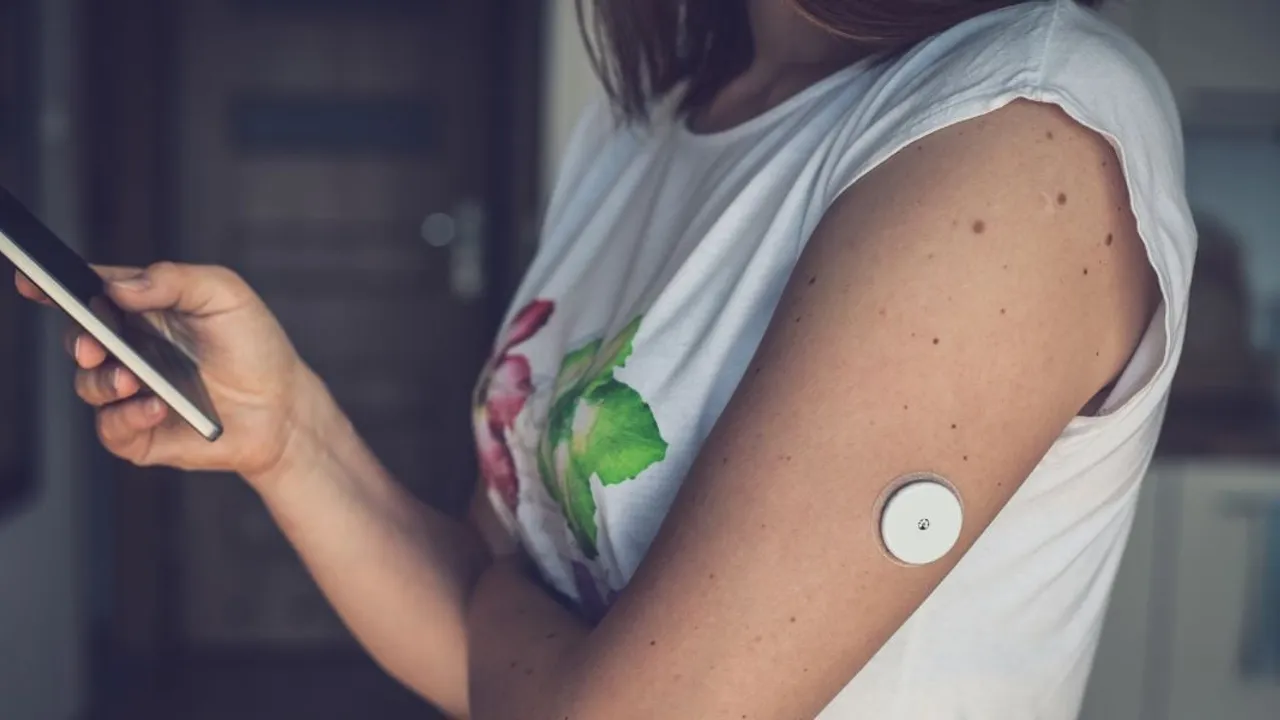
A new small study has started to address this gap in knowledge. Researchers used continuous glucose monitors (CGMs) to track what actually happens to blood sugar during sex in people with type 1 diabetes. Their findings offer some reassurance, though researchers emphasize the study is preliminary and involved only 12 adults followed over about three months.
What the Study Found
The researchers observed a range of glucose responses. In about 58% of sexual encounters, participants' blood glucose did fall—but the drops were gradual and not clinically significant. On average, glucose went down by about 27%, from around 10.0 mmol/L to 7.3 mmol/L. In the remaining 42% of encounters, glucose actually rose by about 34%, moving from approximately 6.8 mmol/L to 9.1 mmol/L.
Importantly, none of these changes resulted in a clinically significant low blood sugar episode. This suggests that for the people in this study, the physical activity of sex did not pose an acute hypoglycemia risk.
Why Responses Vary
As with any form of physical activity, how your body responds to sex depends on several factors working together. Your starting glucose level, how much insulin is circulating in your bloodstream, your stress hormones, the timing of the activity, and its intensity all play a role. This is why two people—or even the same person on different days—might experience very different glucose patterns.
The study did note one pattern: people with a BMI of 25 or above experienced somewhat larger reductions in glucose compared to others. However, even these larger reductions did not result in dangerous lows.
Why This Matters
Researchers believe findings like these can help address the fear of hypoglycemia that can interfere with intimacy. When people worry about low blood sugar during sex, some deliberately keep their glucose higher than recommended—a strategy that can affect long-term health and quality of life.
This small study suggests that fear of a hypo during sexual activity may be greater than the actual risk. However, because this was a preliminary study of only 12 people, larger research is needed to confirm these findings and understand how they apply to different groups. If you have concerns about blood sugar and intimacy, talking with your diabetes care team can help you develop an approach that works for your situation.
Evidence label
Origin: diabetes.co.uk (News report). Evidence: News report, corroborated with 3 indexed studies. Type1Cure is an information and intelligence hub, not a medical advice service. This article summarizes published research and does not provide diagnosis, treatment, or personal medical guidance. Always talk to your own care team before changing anything about your Type 1 diabetes management.
Type1Cure is an information and intelligence hub, not a medical advice service. This article summarizes published research and does not provide diagnosis, treatment, or personal medical guidance. Always talk to your own care team before changing anything about your Type 1 diabetes management.
Related reading
More evidence-labeled coverage across the Type1Cure library.
- Living With T1DWhat We're Learning About Diabetic Ketoacidosis in Type 1 Diabetes: A French StudyPubMed indexed literature
- Living With T1DHow Automated Insulin Delivery Systems Work and What the Research ShowsVideo report, corroborated with 5 indexed studies
- Living With T1DCorrection to "The Use of an Automated Insulin Delivery System Is Associated With a Reduction in Diabetes Distress and Improvement in Quality of Life in People With Type 1 Diabetes".PubMed indexed literature
- Living With T1DA New Class of Biologics Could Change How We Treat Type 1 DiabetesPubMed indexed literature
- Living With T1DNew Trials Test Fully Closed Loop Insulin Systems That Could Eliminate Carb CountingVideo report, corroborated with 2 indexed studies
- Living With T1DMenopause and Type 1 Diabetes: What Women Need to KnowPubMed indexed literature