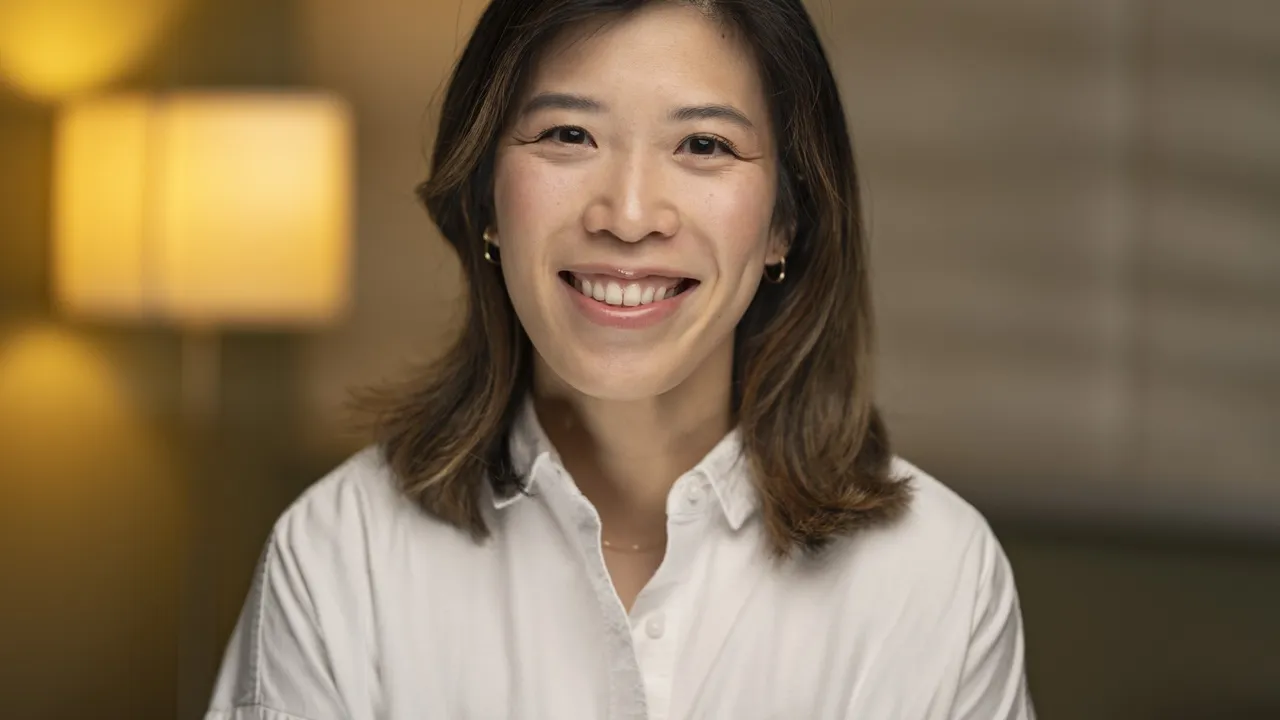
Psychiatrist-Researcher Dr. Sharon Yeung Explores How Mental Health Shapes Type 1 Diabetes Outcomes
A new Breakthrough T1D fellowship recipient is studying the connection between psychiatric conditions and diabetes management across a person's lifetime—work that could lead to better integrated care.
Evidence label explains the kind of source behind this article (for example peer-reviewed literature vs community video). It is not medical advice.
Key takeaways
- Dr. Sharon Yeung, a psychiatry resident and PhD candidate at the University of Toronto, has received a Breakthrough T1D Clinician Investigator Fellowship to fund her research
- Her work focuses on understanding how psychiatric conditions influence diabetes outcomes at different life stages
- She aims to generate evidence supporting more integrated approaches to mental health and diabetes care
- Yeung's background spans global health, epidemiology, and Indigenous community health
Building a Bridge Between Mental Health and Diabetes Care
Dr. Sharon Yeung's research sits at an important crossroads: the intersection of type 1 diabetes and mental health. As a psychiatry resident at the University of Toronto and PhD candidate in Clinical Epidemiology and Health Care Research, she is investigating how psychiatric conditions influence diabetes outcomes—not just in one stage of life, but across the entire lifespan.
With support from a Breakthrough T1D Clinician Investigator Fellowship, Yeung is working to generate evidence that could reshape how diabetes and mental health care are delivered. Her goal is to support more integrated, patient-centered approaches that treat the whole person, not just the disease.
A Path Combining Research and Clinical Care
Yeung's journey to this work reflects a deliberate choice to blend research and clinical practice. During her undergraduate degree in global health, she faced a decision: pursue research or clinical work. Rather than choose one, she enrolled in a joint medical and graduate school program at Queen's University in Kingston, Ontario, allowing her to do both.
In that program, she began studying epidemiology—the patterns of health and illness in large populations—a focus she continues today. Her early work concentrated on Indigenous community health, an area she was drawn to through personal and professional relationships developed during her undergraduate years.
Why This Research Matters
The fellowship recognizes Yeung as part of the next generation of researchers working toward better treatments, healthier lives, and ultimately, a world free from type 1 diabetes. By examining how mental health and diabetes interact, her research addresses a gap that many people living with type 1 diabetes experience but that hasn't always received adequate scientific attention.
Breakthrough T1D supports researchers like Yeung because understanding these connections can lead to real improvements in how care is organized and delivered—making it easier for patients to access integrated support that addresses both their diabetes management and their mental health.
Evidence label
Origin: breakthrought1d.ca (News report). Evidence: News report — unverified, pending corroboration. Type1Cure is an information and intelligence hub, not a medical advice service. This article summarizes published research and does not provide diagnosis, treatment, or personal medical guidance. Always talk to your own care team before changing anything about your Type 1 diabetes management.
Type1Cure is an information and intelligence hub, not a medical advice service. This article summarizes published research and does not provide diagnosis, treatment, or personal medical guidance. Always talk to your own care team before changing anything about your Type 1 diabetes management.
Related reading
More evidence-labeled coverage across the Type1Cure library.
- Living With T1DWhat We're Learning About Diabetic Ketoacidosis in Type 1 Diabetes: A French StudyPubMed indexed literature
- Living With T1DHow Automated Insulin Delivery Systems Work and What the Research ShowsVideo report, corroborated with 5 indexed studies
- Living With T1DCorrection to "The Use of an Automated Insulin Delivery System Is Associated With a Reduction in Diabetes Distress and Improvement in Quality of Life in People With Type 1 Diabetes".PubMed indexed literature
- Living With T1DA New Class of Biologics Could Change How We Treat Type 1 DiabetesPubMed indexed literature
- Living With T1DNew Trials Test Fully Closed Loop Insulin Systems That Could Eliminate Carb CountingVideo report, corroborated with 2 indexed studies
- Living With T1DMenopause and Type 1 Diabetes: What Women Need to KnowPubMed indexed literature